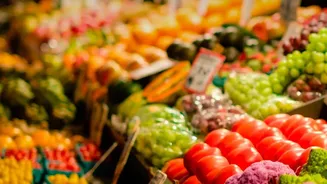








Your Grocery Bill is Getting Bigger
Recent data paints a clear picture: food inflation is accelerating. In September 2026, India's retail food inflation jumped to 7.74%, up from 5.97% in August. This isn't a vague economic statistic; it's a reality felt in every market and kitchen across
the country. The main culprits are everyday essentials. Onion prices have seen a staggering surge, with inflation for the vegetable hitting 108% in September. Other key ingredients like garlic and ginger have also become significantly more expensive, with their prices rising by over 54% and 62% respectively. Cereals, pulses, sugar, and edible oils are also part of this upward trend, making the core components of festive feasts costlier than last year.
Why Prices Are on the Rise
Several factors are contributing to this price pressure. A deficient monsoon season has impacted crop sowing and output, particularly for staples like rice. This, combined with low reservoir levels, creates supply-side stress. Beyond the weather, rising global commodity prices, higher energy costs, and increased transport expenses are making it more expensive to grow, harvest, and move food from farms to your local shop. These costs are increasingly being passed on to consumers, creating a broad-based rise in prices that extends beyond just a few items.
The Middle-Income Squeeze
For middle-income families, rising food prices mean making difficult choices. Groceries and vegetables can take up a significant portion—between 35% and 60%—of a monthly budget for lower to middle-income households. As these unavoidable costs increase, the money available for other festive spending, like new clothes, gifts, or home décor, shrinks. Many families find themselves in a squeeze, forced to cut back on celebratory extras, opt for cheaper ingredients, or dip into savings that were meant for other goals. The financial pressure turns a season of celebration into a period of careful calculations and compromises.
A Disproportionate Burden on Low-Income Households
While middle-income families feel the pinch, low-income households bear the heaviest burden. For those with limited earnings, a much larger percentage of their income is spent on basic food necessities. The sharp rise in food costs is not just an inconvenience; it's a direct threat to their ability to participate in festive traditions. Rural households are hit particularly hard, with rural food inflation reaching 8.06% in September. When the price of an onion or a bag of dal shoots up, it can mean forgoing certain dishes entirely, shrinking meal sizes, or taking on debt just to cover daily expenses.
Smart Strategies for a Joyful Festive Season
While controlling market prices is impossible for individuals, strategic planning can help manage the financial strain. Start by creating a detailed festive budget that prioritizes essential spending. Plan your meals in advance and make a strict shopping list to avoid impulse buys. Consider purchasing non-perishable items like pulses and spices in bulk, potentially from wholesale markets where prices may be lower. Emphasize seasonal vegetables, which are often cheaper and fresher. You could also collaborate with neighbours or friends for community buying to get better rates. Most importantly, focus on the aspects of the festival that don't revolve around expensive purchases, such as spending quality time with family and upholding cherished traditions.