




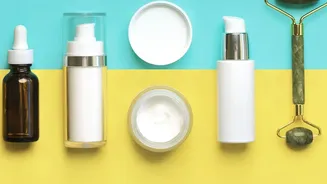
How Pollution Harms Your Skin
When the Air Quality Index (AQI) soars, it’s not just our lungs at risk. Our skin, the body's largest organ, is the first line of defence against environmental aggressors. Pollutants like particulate matter (PM2.5), ozone, and volatile organic compounds
settle on the skin's surface. Studies show this constant exposure can have profound negative effects. These pollutants generate free radicals, unstable molecules that cause oxidative stress. This process breaks down collagen and elastin, accelerating signs of aging like fine lines and wrinkles. Furthermore, pollution can strip the skin of its natural moisture, leading to dehydration, and weaken its protective barrier. This compromised barrier makes the skin more susceptible to irritation, redness, inflammation, and can trigger or worsen conditions like acne, eczema, and pigmentation.
The 'Detox' Marketing Myth
Enter the enticing promise of a 'skin detox'. Brands often use this term to suggest their products can draw out toxins, pollutants, and impurities from deep within your pores. However, dermatologists and scientists are clear: this is not how the body works. True detoxification is a complex process handled internally by organs like the liver and kidneys. Toxins cannot be 'sweated out' or pulled through your skin by a clay mask. In the context of skincare, 'detox' is a marketing buzzword, not a scientific function. These products are typically just cleansers or masks that remove surface-level dirt, oil, and dead skin cells—a process which is important, but is more accurately described as deep cleansing or exfoliation, not detoxification.
Unpacking Product Claims
Many so-called detox products feature ingredients like activated charcoal or various clays. These ingredients do have benefits; they are highly porous and excellent at absorbing excess sebum (oil) and trapping surface-level impurities. This can leave your skin feeling cleaner and looking less shiny. However, their action is limited to the skin's surface. They cannot pull pollutants that have already penetrated the skin barrier or neutralize the free radical damage happening at a cellular level. While a charcoal mask might help with oily skin or clogged pores, it is not a shield against the biological damage caused by pollution. The 'detox' is superficial, and relying on these products for pollution protection can create a false sense of security.
Your Real Anti-Pollution Defence
So, what actually works? Protecting your skin from Delhi's haze isn't about a miracle 'detox' product, but a consistent, strategic routine. Experts recommend a multi-pronged approach focused on cleansing, neutralizing, and protecting. A thorough cleanse is the first critical step to wash away pollutant particles that have accumulated on your skin during the day. Next, incorporate serums with powerful antioxidants. Ingredients like Vitamin C, Vitamin E, and ferulic acid are scientifically shown to neutralize the free radicals generated by pollution and UV exposure, thus preventing cellular damage. Strengthening your skin’s natural barrier is also crucial. Look for moisturisers containing ceramides, hyaluronic acid, and niacinamide, which help lock in moisture and prevent pollutants from penetrating easily. Finally, never skip sunscreen. UV radiation and pollution work together to accelerate skin damage, making a broad-spectrum sunscreen essential, even on cloudy, hazy days.
A Simple, Effective Routine
Building an effective anti-pollution routine doesn't need to be complicated or expensive. Focus on a few key steps performed consistently. In the morning, use a gentle cleanser, followed by an antioxidant serum (like Vitamin C), a barrier-supporting moisturiser, and finally, a generous layer of broad-spectrum sunscreen. This prepares and shields your skin for the day ahead. In the evening, the focus is on cleansing and repair. Start with a 'double cleanse'—an oil-based cleanser to break down sunscreen and makeup, followed by a water-based cleanser to thoroughly wash everything away. This ensures all surface pollutants are removed. Afterwards, you can apply your treatment serums and a nourishing moisturiser to help your skin repair and regenerate overnight.