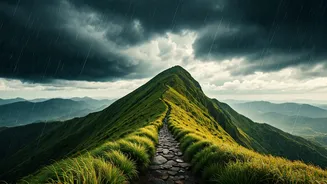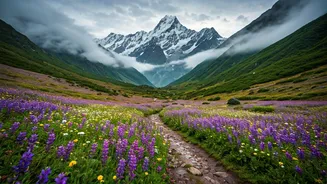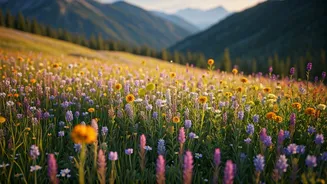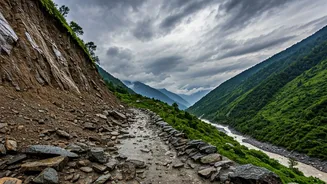




An Enchanting Floral Paradise
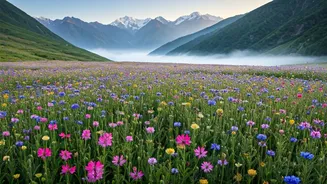
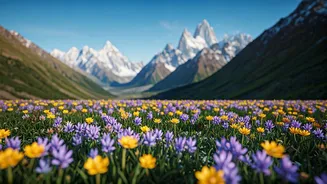
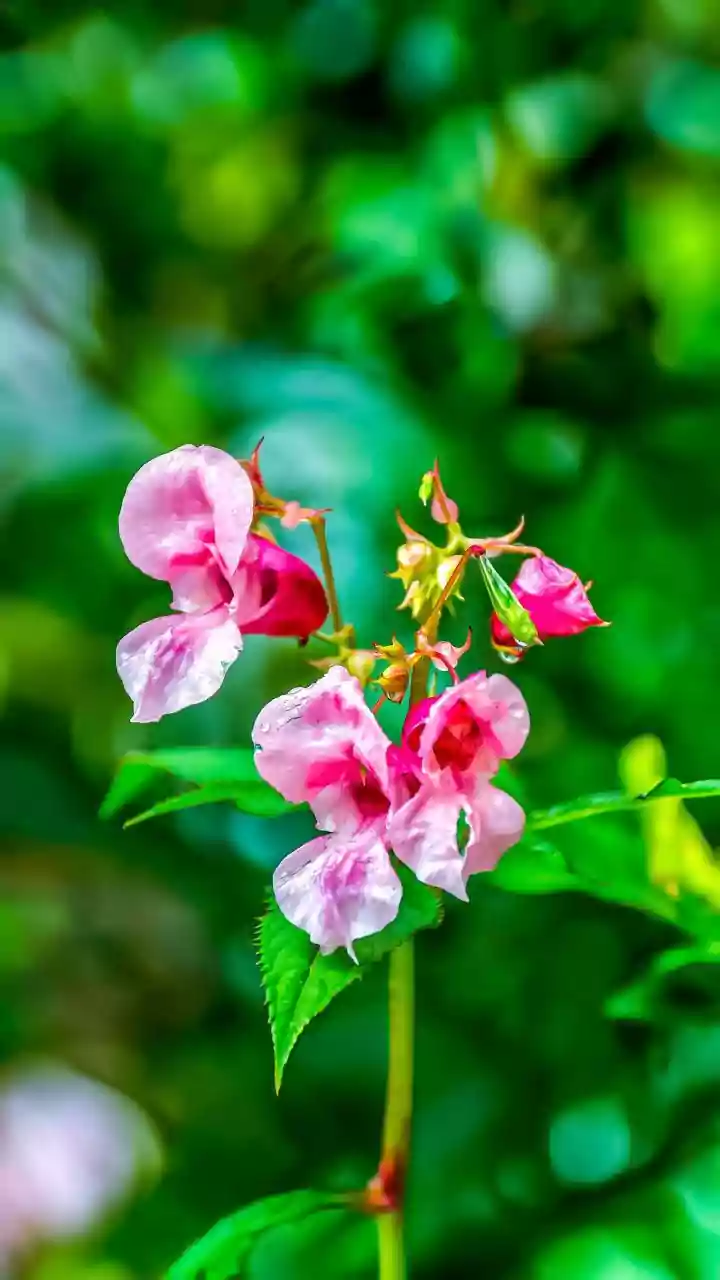
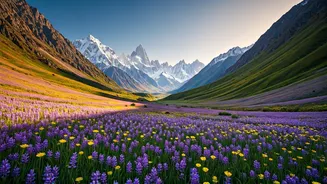
The Valley of Flowers National Park, located in the Chamoli district of Uttarakhand, is a breathtaking expanse covering nearly 87 square kilometres. It is renowned for its incredible biodiversity, hosting over 600 species of flowering plants, from the iconic
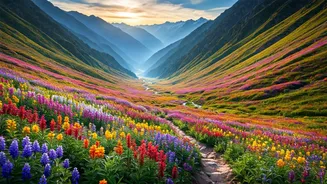
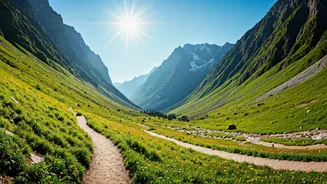
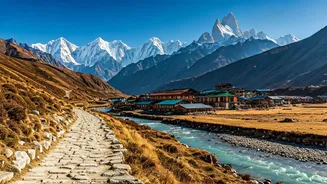
Himalayan Blue Poppy to the sacred Brahma Kamal. Discovered by British mountaineer Frank Smythe in 1931, the valley has since become a bucket-list destination for trekkers, botanists, and photographers. The landscape is a vibrant mix of alpine meadows, glistening streams, and misty mountain backdrops, creating a serene and almost surreal atmosphere.
The All-Important Blooming Window
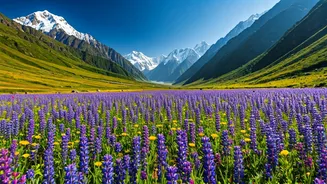
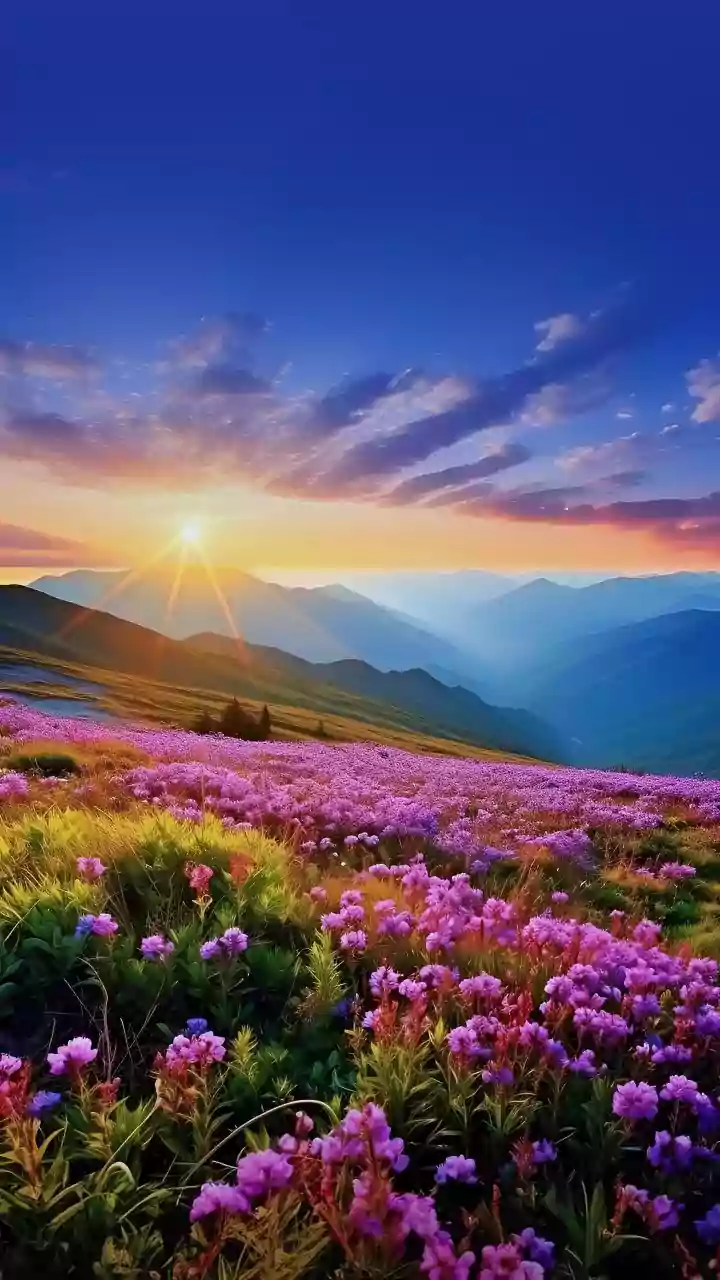
Timing is everything for this trek. The park officially opens to visitors around June 1 and closes by the end of October. However, the absolute peak blooming season is a much narrower, time-sensitive window. For the most spectacular display of colour and variety, you must plan your visit between mid-July and mid-August. During these monsoon weeks, hundreds of species bloom simultaneously, creating the legendary floral carpet the valley is famous for. Visiting in June will offer lush greenery and early flowers with fewer crowds, while September provides clearer skies and autumnal hues as the flowers begin to fade.
Structuring Your Trek: A Day-by-Day Plan
A typical trip to the Valley of Flowers takes about six days, starting from Rishikesh or Haridwar. The journey begins with a long drive to Govindghat, the starting point of the trek. From Govindghat, a short drive takes you to Pulna, where the actual trek commences. The first leg is a 9-14 km walk to Ghangaria, a small village that serves as the base camp for both the Valley of Flowers and the nearby Hemkund Sahib. You'll spend the next day trekking 3-4 km into the valley itself, exploring its floral meadows before returning to Ghangaria, as overnight stays in the park are prohibited. Many trekkers use an additional day to make the steep, rewarding climb to the sacred Hemkund Sahib lake before trekking back down to Govindghat and driving back.
Difficulty, Fitness, and Preparation
The Valley of Flowers trek is rated as easy to moderate, making it accessible for beginners with a reasonable level of fitness. The trails are generally well-marked. The main challenges are the daily walking distances of 7-12 km and the significant altitude gain, with Ghangaria sitting at over 10,000 feet. The optional trek to Hemkund Sahib is more strenuous due to its steep ascent to over 14,000 feet. It's advisable to undertake some physical training for a few weeks, focusing on cardio and stamina. Essential items to pack include sturdy, broken-in trekking shoes, layered clothing, a waterproof jacket, and a daypack for water and snacks.
Permits and Essential Logistics
Entry permits are mandatory to enter the Valley of Flowers National Park. These can be obtained at the forest department checkpoint near Ghangaria. The permit is typically valid for three days. It's also important to carry cash, as ATMs are scarce in these remote areas. Mobile network connectivity becomes weak or non-existent after Joshimath. Ghangaria offers basic accommodation in guesthouses and lodges, which should be booked in advance, especially during the peak season of July and August.