






Your Body's Unsung Hero
Before diving into the walk, it helps to understand the system it supports. Think of the lymphatic system as your body's silent, hardworking drainage and filtration network. This web of vessels and nodes is crucial for clearing waste, toxins, and excess
fluid from your tissues. It also plays a vital role in your immune system by transporting immune cells. Unlike your circulatory system, which has the heart as a powerful pump, the lymphatic system relies on other forces to keep things moving, primarily muscle contractions and deep breathing. This is why movement isn't just a recommendation for good health; it's a necessity for this system to function optimally.
What Exactly Is 'Lymphatic Walking'?
Despite its trendy name, lymphatic walking isn't a secret, complicated technique. It's essentially a more mindful and intentional form of regular walking. The focus is less on speed or burning calories and more on creating a consistent, rhythmic motion that stimulates lymph flow. While any walking helps, the version gaining attention on social media and from physical therapists adds specific cues: maintaining good posture, engaging in deep diaphragmatic breathing, and allowing a full, natural arm swing. It’s about turning a simple stroll into a purposeful act that activates the very mechanisms your lymphatic system depends on.
The Key: Regular, Rhythmic Movement
The core principle is simple: your muscles are the pump. Every time you take a step, the muscles in your legs, especially your calves, contract and squeeze the lymphatic vessels, pushing fluid upward against gravity. This is why even a short, 10-15 minute walk can be beneficial. The rhythm is what makes it so effective. A steady, consistent pace creates a predictable pumping action. Add a natural arm swing, and you engage the muscles of your upper body, helping to move fluid around the chest and shoulders. This rhythmic motion, combined with changes in pressure from breathing, becomes a full-body effort to support your internal drainage network.
How to Walk for Lymphatic Health
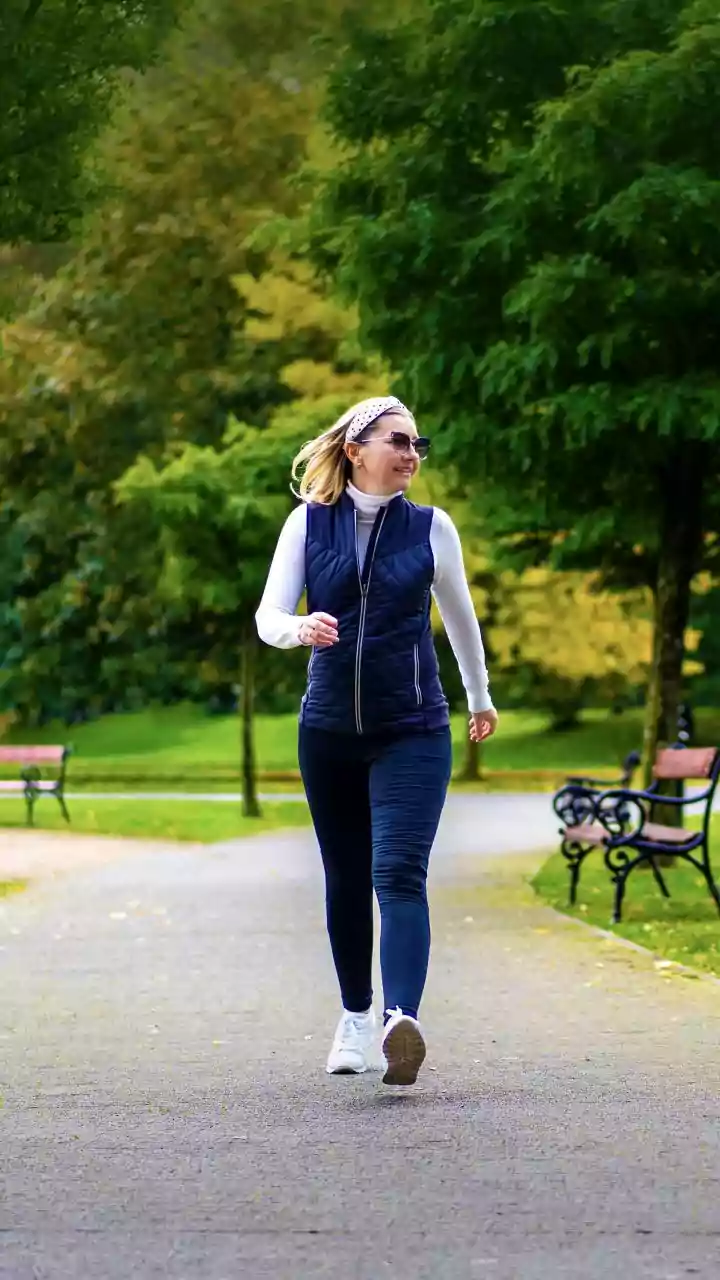
Incorporating lymphatic walking into your routine is straightforward. The goal is to be deliberate with your movements. Start by standing tall to avoid hunching, which can restrict movement in your chest and abdomen. As you walk, focus on a smooth, heel-to-toe motion, rolling through your foot to fully engage your calf muscles. Let your arms swing naturally and freely from the shoulders, rather than keeping them stiff or in your pockets. Walk at a pace that is comfortable but elevates your breathing slightly—a pace where you could still hold a conversation. Consistency is far more important than intensity; a daily purposeful walk is more effective than an occasional strenuous one.
Don't Forget to Breathe
One of the most powerful and often overlooked components is deep breathing. Shallow chest breathing does little to help, but deep diaphragmatic (or 'belly') breathing acts as a central pump for your lymphatic system. As you inhale deeply, allowing your belly to expand, the diaphragm muscle moves downward, changing the pressure in your chest and and abdomen. This pressure change helps pull lymph fluid through the thoracic duct, one of the main highways of your lymphatic system. Try to consciously take a few deep belly breaths at the beginning of your walk and periodically throughout to maximize the benefits of your movement.