






Secure Your Staples in Airtight Containers
Humidity is the enemy of anything crisp and dry. During the monsoon, ambient moisture can quickly turn your salt and sugar into clumps and your biscuits and chips soggy. The most crucial first step is to transfer all dry goods out of their original paper
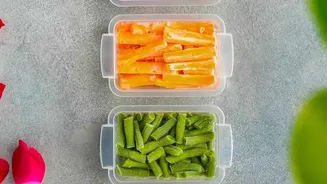
or plastic packaging. Pulses, flours, spices, tea, and coffee should be moved into high-quality airtight containers, preferably made of glass or BPA-free plastic. This creates a physical barrier against moisture, which not only prevents clumping and staleness but also inhibits the growth of mould and attracts fewer pests. For spices, small, tightly sealed jars are best. For larger quantities of rice and flour, ensure the container seals completely and store it on a shelf, away from damp walls or floors.
Master Your Fruit and Vegetable Prep
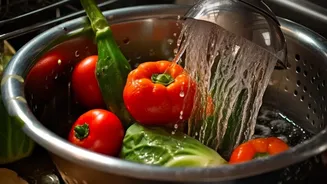
Leafy greens and other vegetables are prone to rotting much faster in the rainy season. It is essential to wash all produce thoroughly, as the moisture can carry more contaminants. Some experts even suggest washing leafy vegetables in salt water to help remove germs. After washing, the next step is critical: drying. Pat vegetables and fruits completely dry with a clean cloth before storing them. Storing damp produce in the refrigerator creates a humid micro-environment that accelerates spoilage. For best results, store dried vegetables in paper bags or perforated bags in the fridge to allow for some air circulation while managing moisture. Avoid cutting fruits and leaving them out; consume them immediately after cutting to prevent contamination.
Handle Dairy and Meats with Extra Care
Perishable items like milk, cheese, paneer, meat, and poultry are at an even higher risk during the monsoon. Cross-contamination is a major concern, so always use separate cutting boards and knives for raw meat and vegetables. Perishables should be refrigerated promptly at a temperature at or below 4°C to slow down bacterial growth. Do not leave these items at room temperature for extended periods. When storing raw meat, place it in sealed containers on the bottom shelf of the refrigerator to prevent its juices from dripping onto other foods. Ensure meat and poultry are cooked to safe internal temperatures to kill any harmful bacteria that may have proliferated in the humid conditions.
Maintain a Clean, Dry Kitchen Environment
Your kitchen itself can become a source of contamination if not managed well. High humidity means surfaces take longer to dry, creating ideal conditions for mould and bacteria. Make it a habit to wipe down kitchen counters, sinks, and chopping boards immediately after use, ensuring they are completely dry. Don't let wet utensils sit in the sink overnight. Replace damp kitchen towels and sponges frequently, as they are notorious for harbouring germs. Running an exhaust fan while cooking and for about 10-15 minutes afterward can significantly reduce the moisture released from steam, helping to keep the overall humidity level down in your kitchen.
Be Smart with Leftovers and Cooked Food
Cooked food is not immune to the effects of monsoon humidity. It's best to cook food in smaller quantities and consume it fresh. If you have leftovers, don't leave them out on the counter to cool for too long. Refrigerate them in covered, airtight containers as soon as they are no longer hot. When reheating, ensure the food is heated thoroughly until it is steaming hot all the way through. During the monsoons, it's wise to be extra cautious with street food, especially items that are served cold or with raw chutneys, as the risk of contamination from non-potable water and improper storage is much higher.