


The Science Behind the Magic
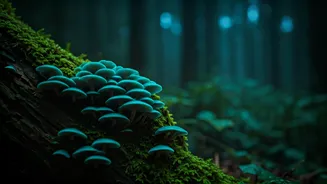
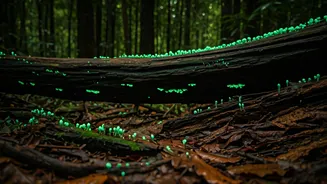
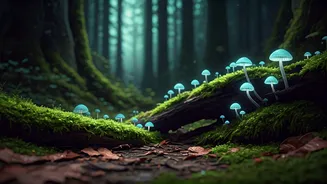
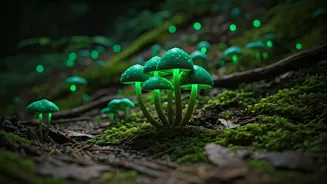
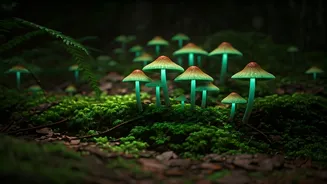
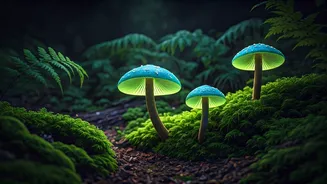
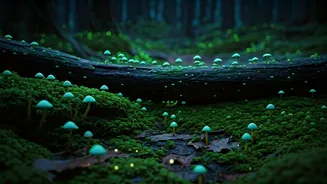
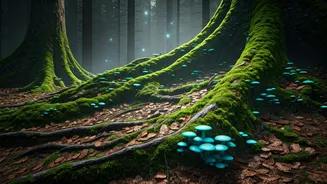
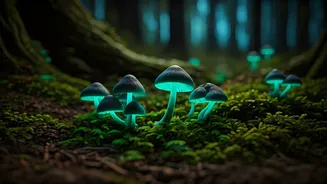
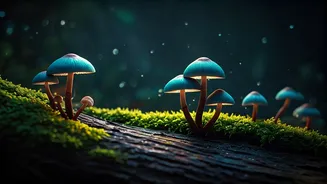
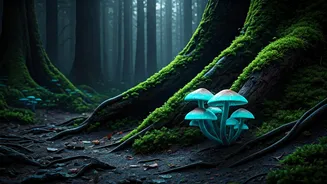
This enchanting phenomenon is known as bioluminescence, a natural process where living organisms produce and emit light. In the dense, damp forests of the Western Ghats and parts of Northeast India, this glow comes from specific species of fungi, most
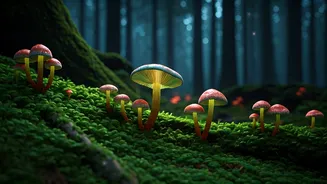
notably from the genus *Mycena*. During the monsoon season, the high moisture content in the air and decaying wood creates the perfect conditions for these fungi to thrive. The light is a result of a chemical reaction involving an enzyme called luciferase. While scientists are still exploring the exact evolutionary reason for the glow, theories suggest it might be to attract insects that help in spore dispersal, or to deter nocturnal animals from eating them.
Where to Witness the Glow
This surreal experience is largely concentrated in regions that receive heavy monsoon rainfall. The Western Ghats are the prime hotspot for these glowing forests. Key locations include: * **Bhimashankar Wildlife Sanctuary, Maharashtra:** This is one of the most popular destinations for spotting bioluminescent fungi. The trek routes here become carpeted with a faint green-blue light after nightfall during the peak monsoon months. * **Goa:** The forests of the Mhadei Wildlife Sanctuary and Bhagwan Mahavir Sanctuary in Goa are also known for this magical display. Local trekking groups often organise night walks specifically for this purpose. * **Karnataka:** The forests around Coorg and Agumbe, known for their rich biodiversity and heavy rainfall, are other promising locations. Trekkers have reported glowing fungi on forest floors and tree trunks. While less common, similar phenomena have also been reported in the forests of Meghalaya.
What to Expect on a Night Trek
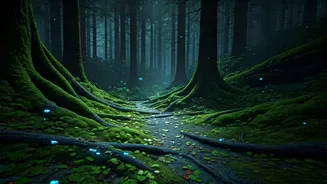
A night trek into a glowing forest is an adventure for all the senses. As you leave the city lights behind, your eyes will slowly adjust to the deep darkness of the jungle, punctuated by the sounds of crickets and other nocturnal creatures. The experience is not about a blindingly bright light; it's a subtle, otherworldly luminescence that you often need to let your eyes adapt to. The glow appears strongest on moonless nights. Most treks are led by experienced local guides who know the terrain and can point out the best spots to see the fungi. They are typically easy to moderately difficult, lasting a few hours. Be prepared for rain, damp conditions, and the thrill of exploring the wilderness after dark.
How to Plan and Book Your Trek
The season for bioluminescence treks typically runs from June to early October, coinciding with the monsoon. As the headline suggests, various local trekking operators and eco-tourism groups have started accepting bookings for the season. To plan your trip, start by researching certified tour operators in the region you wish to visit. A quick search for “bioluminescence trek in Bhimashankar” or “Goa night trek” will yield several options. It's crucial to book with a reputable company that prioritises safety and ecological responsibility. You can also check with the local forest department offices, as they sometimes regulate or offer guided tours. Booking in advance is recommended, as these treks are often run in small groups to minimise disturbance to the fragile ecosystem.
Essential Tips for a Safe and Responsible Trip
To make the most of this unique experience while staying safe, keep a few things in mind. Wear comfortable, waterproof trekking shoes with good grip, as the trails will be slippery. Carry a lightweight rain jacket or poncho. While you’re there to see the light, a headlamp or torch with a red light filter is essential for navigating the path (red light is less disruptive to nocturnal wildlife and your own night vision). Pack insect repellent, a water bottle, and some snacks. Most importantly, follow your guide’s instructions. Do not wander off the trail, touch the fungi, or leave any litter behind. The goal is to witness this natural marvel without leaving a trace.