


The Risks of Lingering Dampness
Leaving your hair wet for too long, especially during the humid monsoon, is more than just a style inconvenience. The combination of warmth and persistent moisture creates an ideal breeding ground for fungus and bacteria on your scalp. This can lead to issues
like increased dandruff, itchiness, and even fungal infections like folliculitis or tinea capitis. Furthermore, wet hair is structurally weaker and more prone to stretching and breaking. The high humidity in the air causes the hair's cuticle layer to swell and lift, resulting in the dreaded monsoon frizz.
Step 1: Gently Squeeze, Never Rub
Your first instinct after getting drenched might be to vigorously rub your hair with a towel. Resist this urge. Aggressive rubbing with a coarse towel creates friction that roughens up the hair cuticle, leading to immediate frizz and potential breakage. Instead, gently squeeze out excess water with your hands. If you've just come in from the rain, it’s a good idea to rinse your hair with clean tap water first to wash away any pollutants or dirt carried by the rainwater. After squeezing, you can move on to a more absorbent towel.
Step 2: Swap Your Towel for Microfiber
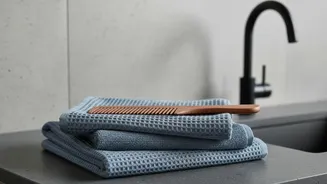
The type of towel you use makes a significant difference. Standard cotton bath towels have rough loops that can snag and damage delicate, wet hair. A microfiber towel or even a soft cotton t-shirt is a far better choice. Microfiber towels are made of ultra-fine, tightly woven fibres that are highly absorbent, allowing them to draw out a large amount of water quickly without creating friction. This reduces drying time and minimizes frizz and breakage, making it an essential tool for monsoon hair care.
Step 3: The Smart Way to Blow-Dry
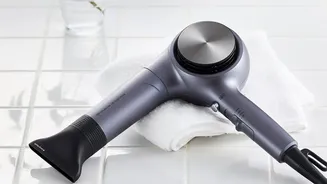
While air-drying is often recommended, it can take hours in high humidity, prolonging the time your scalp remains damp. A hybrid approach is often best. Allow your hair to air-dry or remain in a microfiber wrap until it's about 70-80% dry. If you need to use a blow-dryer to finish the job, always use it on a low or cool setting. High heat can open the cuticles further, making them more susceptible to humidity. Always point the dryer's nozzle downwards along the hair shaft to help seal the cuticles flat, which creates a smoother finish and locks out moisture.
Step 4: Lock It Down with a Serum
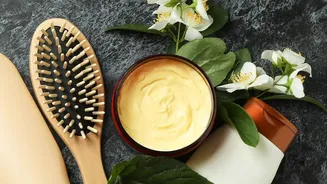
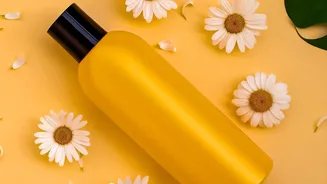
Once your hair is damp but not soaking, applying a leave-in product can work wonders. A lightweight, anti-humidity or anti-frizz serum creates a protective barrier on the hair shaft. This helps to seal the cuticle, lock in moisture, and prevent the hair from absorbing excess moisture from the humid air. If you plan to use a blow-dryer, a heat-protectant spray is non-negotiable as it shields your hair from potential thermal damage while often providing humidity-blocking benefits. Look for products with lightweight oils and avoid heavy, greasy formulations that can weigh hair down.
Common Mistakes to Avoid
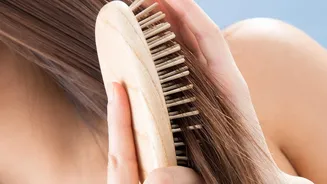
The most common and damaging mistake is tying up wet or damp hair. This traps moisture directly against the scalp, creating the perfect environment for fungal infections and weakening the hair roots. Always let your hair dry completely before tying it in a bun or ponytail. Another pitfall is detangling hair when it's soaking wet. Hair is most fragile in this state. Wait until it's damp, apply a conditioner or serum for slip, and use a wide-tooth comb, starting from the ends and working your way up to the roots to gently remove knots.