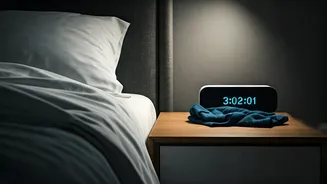









What Exactly Is the 3-2-1 Sleep Rule?
The 3-2-1 sleep rule isn't a complex bio-hack. It's a memorable set of guidelines for your evening routine, designed to prepare your body and mind for high-quality rest. The numbers refer to the hours before you go to bed. While there are some variations,
the most common version involves stopping eating three hours before sleep, finishing your work or stressful tasks two hours before, and turning off screens one hour before bed. [4, 15] The goal is to create a 'soft landing' into sleep by systematically removing common disruptors, allowing your body's natural sleep processes to take over without interference.
The '3': No Food Three Hours Before Bed
The first step is to finish your last big meal three hours before you plan to sleep. Eating, especially a large or high-fat meal, fires up your digestive system. [5, 7] This process generates heat and can elevate your heart rate, both of which can delay the natural drop in core body temperature your body needs to initiate sleep. [7, 12] Research suggests that eating close to bedtime is associated with taking longer to fall asleep and can reduce the amount of deep, slow-wave sleep you get. [1, 12] This deep sleep stage is crucial for physical restoration. Giving your body a three-hour buffer allows it to complete the most demanding part of digestion, preventing issues like reflux or bloating that can keep you awake. [1, 15]
The '2' and '1': Winding Down Your Mind and Eyes
The next two steps focus on your brain. Two hours before bed, the rule suggests you stop working and put away any mentally stimulating or stressful tasks. [19] This helps lower cortisol, the stress hormone, and allows your brain to transition away from high-alert problem-solving mode. [4] The final step, and perhaps the most challenging for many, is to power down all electronic screens one hour before bed. The blue light emitted by phones, tablets, and TVs is particularly effective at suppressing the production of melatonin, the hormone that signals to your body that it's time to sleep. [2, 6, 8] By tricking your brain into thinking it's still daytime, screen time can delay your body's internal clock, making it harder to fall asleep and reducing sleep quality. [9, 11]
The Link: How Better Sleep Fuels Muscle Recovery
So, how does avoiding a late snack and your phone help your muscles? The connection is direct and powerful. Sleep, particularly deep sleep, is when your body does its most important repair work. [16] During these stages, the body releases a surge of human growth hormone (GH), which is essential for repairing and rebuilding muscle tissues damaged during exercise. [3, 18] Quality sleep also enhances protein synthesis, the process of creating new proteins to build muscle, and helps restore glycogen, the muscles' primary energy source. [3] Furthermore, adequate sleep helps regulate hormones like cortisol and reduces inflammation, both of which can hinder muscle growth and prolong soreness if left unchecked. [3, 16] In essence, by improving sleep quality, the 3-2-1 rule creates the optimal hormonal and physiological environment for muscle recovery. [14]
Will It 'Totally Fix' Your Recovery?
While the headline's promise of a 'total fix' is a bit of an overstatement, the 3-2-1 rule is a powerful tool for building a strong foundation for recovery. Chronic sleep disruption can significantly impair muscle protein synthesis and increase injury risk. [18, 14] By addressing three of the most common sleep saboteurs—late meals, stress, and blue light—the rule can dramatically improve sleep consistency and quality. However, it's not a magic bullet. True recovery also depends on proper nutrition throughout the day, smart training programming, hydration, and managing overall life stress. Think of the 3-2-1 rule less as a complete cure and more as a crucial, non-negotiable part of your overall recovery strategy. It puts your body in the best possible position to repair and strengthen itself while you rest.