





The Carry-On Conundrum
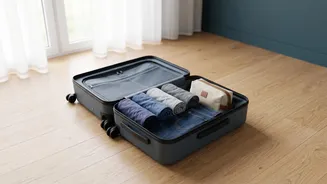
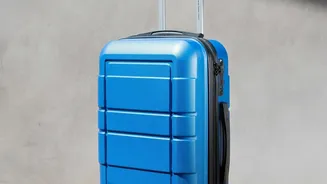
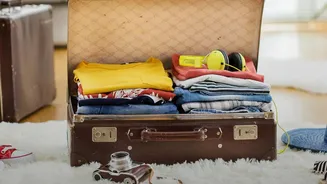
Packing for a long weekend should be simple, but it rarely is. A few outfits, a warmer layer for the evenings, an extra pair of shoes, and toiletries can quickly push a carry-on bag to its bursting point. The choice often comes down to leaving essential
items behind or risking extra baggage fees. This frustration is precisely what has led to the rise of packing aids designed not just to organize, but to physically reduce the volume of your clothing, creating valuable extra space.
Understanding Your Compression Options
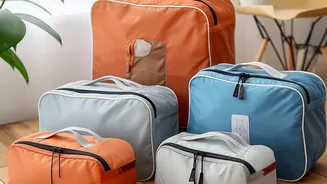
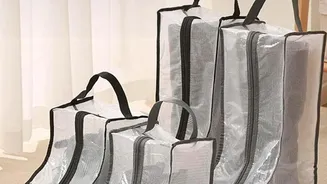
Two main players dominate the space-saving scene: vacuum compression bags and compression packing cubes or pouches. While both aim to condense your clothes, they work in different ways. Vacuum bags are typically plastic sacks with a one-way valve. You place clothes inside, seal the bag, and then remove all the air with a pump or by rolling it. Compression pouches, often made of durable fabric, work more like a traditional packing cube but feature a second zipper that cinches everything down, squeezing the air out mechanically.
The Power of the Vacuum Seal
Vacuum bags are the heavyweights of space-saving. By removing nearly all the air, they can shrink bulky items like sweaters, jackets, and hoodies by up to 80%. For a four-day trip that includes a chilly destination, this is a game-changer. One puffy jacket can be flattened into a thin, manageable panel. The key advantage here is the sheer amount of volume you can reclaim. Many travel-specific versions come with small, portable hand pumps or are designed to be rolled by hand, making them usable on the go without needing a household vacuum cleaner.
The Simplicity of Compression Pouches
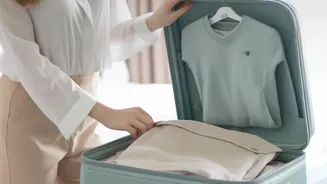
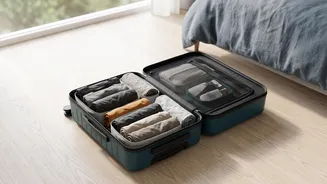
What compression pouches lack in extreme size reduction, they make up for in convenience and organization. These zippered cubes help compartmentalize your luggage, allowing you to group outfits or types of clothing together. After zipping the cube shut, a second compression zipper squeezes the contents, reducing volume by a noticeable amount. They are fantastic for items like t-shirts, trousers, and underwear. This method provides moderate compression without requiring a pump and keeps your suitcase tidy, making it easy to find what you need without unpacking everything.
Benefits Beyond Saving Space
Both systems offer more than just extra room. The airtight seal of vacuum bags protects clothes from moisture, spills, and odours, which is great for storing dirty laundry on the return journey. Compression cubes, by their nature, impose order on your bag, turning a chaotic pile of clothes into a neat, modular system. This organization can be just as valuable as the space itself, streamlining your packing and unpacking process significantly.
Important Considerations Before You Buy
There are a couple of crucial things to remember. Firstly, these bags reduce volume, not weight. It's easy to overpack and exceed your airline's carry-on weight limit, so be sure to weigh your bag after packing. Secondly, the intense compression can lead to wrinkles, especially with fabrics like linen or cotton. This makes them better suited for casual wear, knitwear, and jackets rather than formal shirts or dresses. Finally, be aware that security agents may need to open a vacuum-sealed bag for inspection, so having a portable pump to re-compress it can be helpful.