




That magical, citrus-herbal aroma that defines so many beloved Southeast Asian dishes often comes from one place: lemongrass. But how do you go from a tough, woody stalk to culinary brilliance? Let's demystify this fragrant herb.
The Soul of Lemongrass
Lemongrass is a cornerstone
ingredient in Thai, Vietnamese, Malaysian, and Indonesian cuisines for a reason. Its flavour is complex and captivating—less like a straightforward lemon and more of a citrusy melody with notes of mint, ginger, and even flowers. Unlike the sharp acidity of lemon juice, lemongrass offers a bright, clean zest without the bitterness. This unique profile allows it to cut through rich flavours and add a layer of freshness, making it an essential aromatic. While it shines in curries and soups, the stir-fry is arguably the most direct way to experience its vibrant character.
From Stalk to Stir-Fry
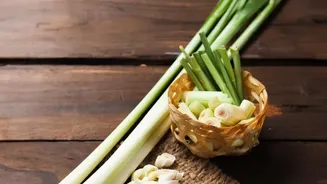
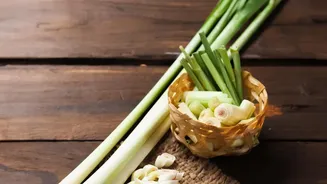
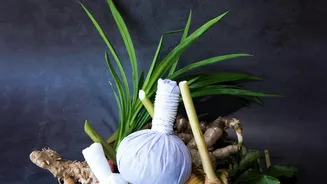
Intimidated by those tough-looking stalks? Don't be. Preparing lemongrass is simple once you know the technique. For stir-frying, you want to access the tender, flavourful core. Start by trimming off the very bottom of the stalk and the dry, leafy top portion. Peel away the tough, woody outer layers until you reach the paler, softer interior. From there, you have two main options: finely mince the tender bulb or slice it into thin coins. The finer the chop, the more its flavour will disperse throughout the dish, which is exactly what you want in a fast-cooking stir-fry. Some cooks even use a food processor to save time.
Building the Flavour Foundation
The key to a great lemongrass stir-fry is to bloom its flavour early. Think of it as part of your aromatic base, just like garlic and ginger. After heating your wok or skillet, add your cooking oil. Once hot, add the minced lemongrass. Sauté it for a minute or two until it becomes fragrant and starts to soften. This process infuses the oil with its essential flavours, ensuring that every ingredient you add next will be coated in that wonderful citrusy essence. Many recipes call for adding it at the same time as other aromatics like shallots, garlic, and chilies to create a powerful and complex flavour base before any protein or vegetables hit the pan.
Perfect Lemongrass Pairings
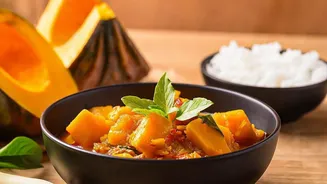
Lemongrass is a team player, elevating the ingredients it's paired with. In a stir-fry, it works beautifully with a wide range of proteins, including chicken, shrimp, pork, and tofu. Its zesty profile balances the richness of coconut milk, a common addition that turns a simple stir-fry into a creamy, fragrant dish. To round out the classic Southeast Asian flavour profile, don't forget fish sauce for umami depth, a squeeze of lime juice for a final pop of brightness, a touch of sugar for balance, and some fresh chili for heat. These elements work in harmony, with lemongrass leading the aromatic charge.
Stir-Fry Inspiration
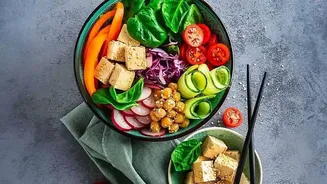
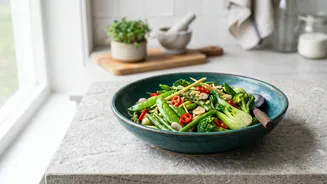
Ready to get cooking? Start with a classic combination like Vietnamese Lemongrass Chicken (Gà Xào Sả Ớt). Simply marinate thinly sliced chicken in minced lemongrass, fish sauce, garlic, and sugar before stir-frying with onions and peppers. For a vegetarian option, try crispy tofu with lemongrass, chili, and a mix of green vegetables like sugar snap peas and courgette. Don't be afraid to experiment. The core principle remains the same: use lemongrass in your aromatic base and build from there. Whether you add coconut milk for a saucy finish or keep it dry and intensely flavoured, the lemongrass will be the star.