



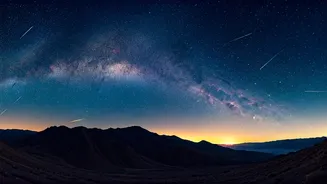


The High-Altitude Advantage
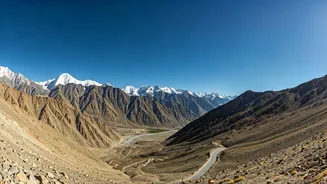
Perched at altitudes often exceeding 10,000 feet, Ladakh quite literally brings you closer to the stars. The primary benefit of this elevation is the thinner atmosphere. Think of the Earth's atmosphere as a thick, hazy blanket. At sea level, you're looking
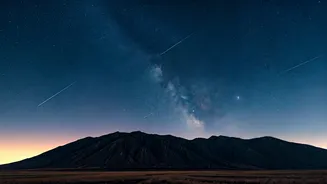
through the thickest part of it, which contains dust, pollutants, and moisture that scatter and dim starlight. In Ladakh, you are above a significant portion of this atmospheric blanket. The thinner, cleaner air results in far less distortion and absorption of light, allowing the faint streaks of meteors to appear sharper, brighter, and more frequent. This is precisely why major astronomical observatories are built on high mountain tops.
A Sanctuary from Light Pollution
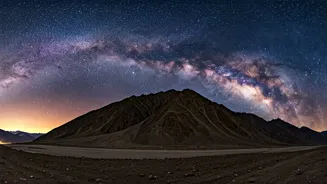
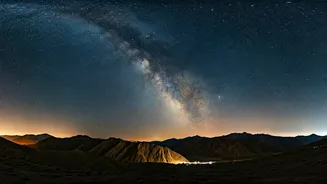
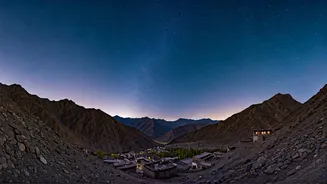
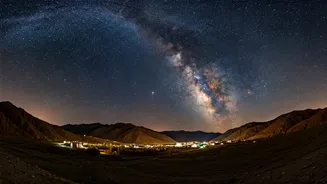
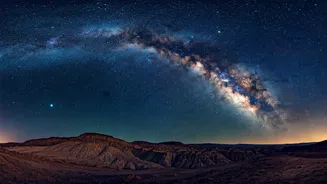
For most of India, the true night sky has become a fading memory. The relentless glow from cities and towns creates a phenomenon known as light pollution, which washes out all but the brightest celestial objects. Even popular hill stations are increasingly compromised. Ladakh, by contrast, is a sanctuary of darkness. Its remote location and sparse population mean artificial light is minimal. In places like Hanle, which has been officially designated as India's first Dark Sky Reserve, the darkness is so profound that the Milky Way can cast a faint shadow. This near-total absence of man-made light is the single most critical factor for a successful meteor shower viewing, as it allows your eyes to become fully dark-adapted and spot the dozens of faint meteors you would otherwise miss.
Uniquely Dry and Clear Skies
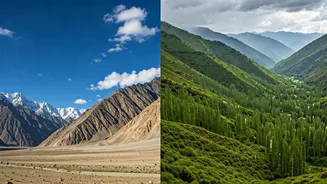
Ladakh's position in a rain shadow area of the Himalayas gives it a unique, cold desert climate. The towering Himalayan peaks block most monsoon clouds, resulting in over 300 clear nights a year. This arid environment means the air contains very little moisture or water vapour. Water vapour, much like dust and pollutants, can scatter starlight and create a hazy viewing experience. The exceptionally dry air in Ladakh ensures that the sky has a rare transparency, making it feel like a crystal-clear window into the cosmos. This consistent clarity, especially during the summer months which coincide with major meteor showers like the Perseids in August, is a significant advantage over other regions that may be plagued by monsoon clouds.
Panoramic Landscapes for a Celestial Theatre
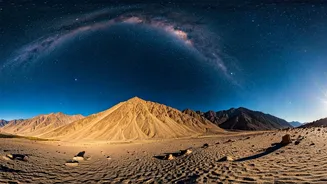
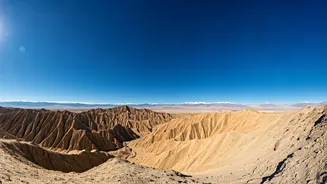
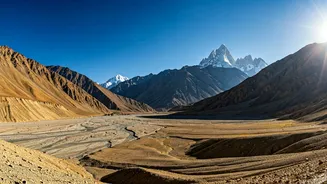
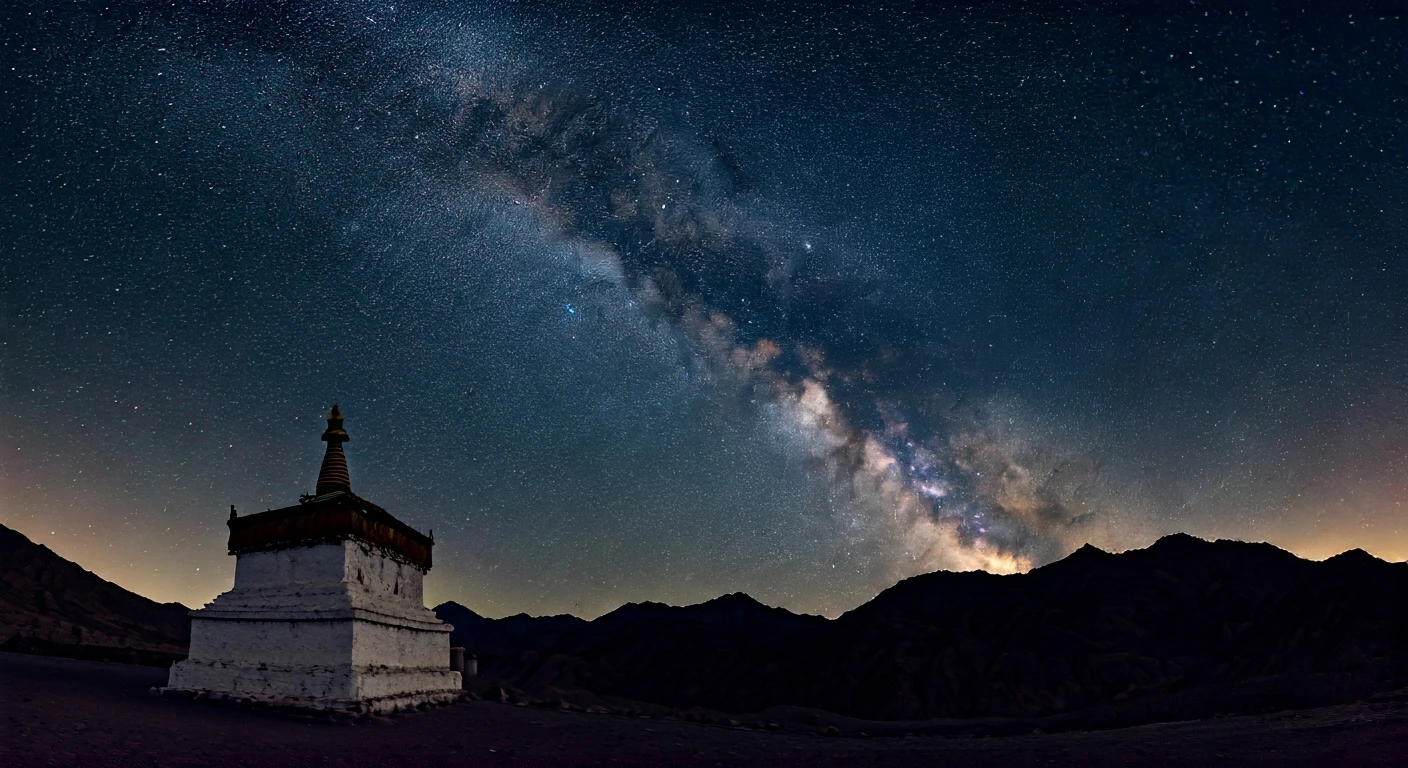
The very geography of Ladakh lends itself to spectacular stargazing. Unlike forested or hilly regions where your view might be blocked by trees and peaks, Ladakh offers vast, open landscapes. The wide, expansive valleys of Nubra or the immense, flat plains around Pangong Tso and Tso Moriri provide an unobstructed, 360-degree view of the sky. This panoramic horizon means you can track meteors from the moment they appear, watching them streak across a huge celestial canvas. The stunning backdrop of serene lakes reflecting the star-filled sky or the silhouettes of ancient monasteries only adds to the otherworldly experience, turning a simple night of stargazing into a deeply memorable event.
Your Guide to Ladakh's Premier Stargazing Spots
While almost anywhere outside of Leh town offers a great view, some spots are legendary among astrophotographers and astronomers. Hanle is the crown jewel, home to the Indian Astronomical Observatory and the Dark Sky Reserve, offering arguably the best conditions in the country. The Nubra Valley, with its remote villages and minimal tourist infrastructure, provides profound silence and darkness. The banks of Pangong Lake and Tso Moriri are also iconic, offering the chance to see the meteor shower reflected in their tranquil waters. Even the journey itself, crossing high passes like Khardung La, presents surreal opportunities to feel on top of the world, under a blanket of infinite stars.