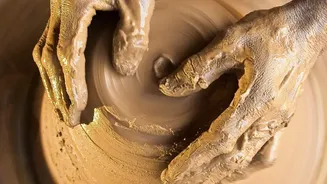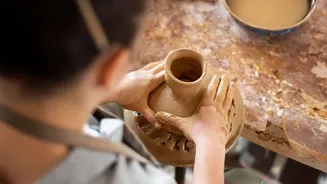

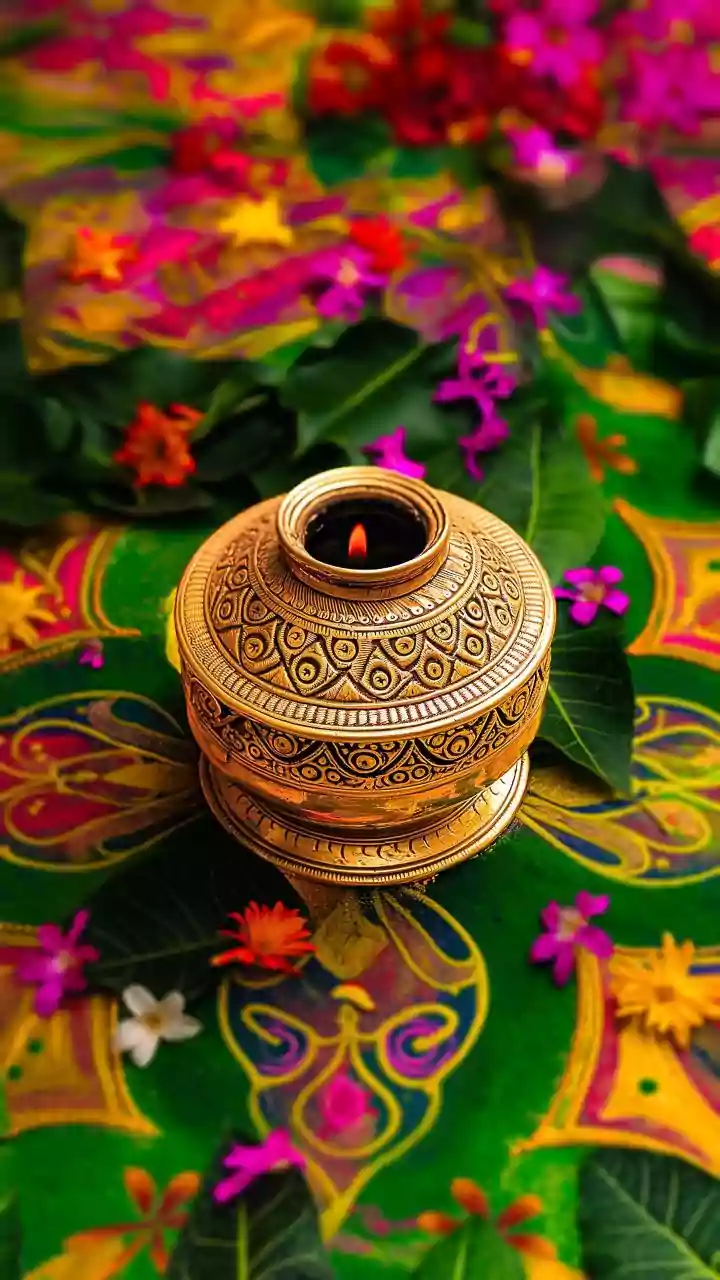




A Legacy Moulded by Hand
The story of Indian pottery is as old as civilization itself, with roots tracing back thousands of years to the Indus Valley. Archaeologists have unearthed a treasure trove of terracotta objects—toys, figurines, and vessels—that reveal a remarkable level
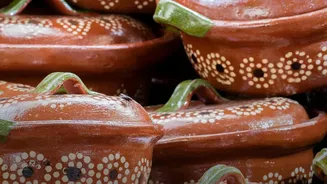
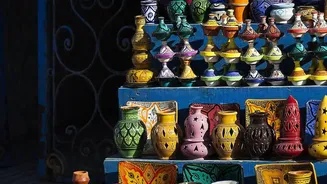
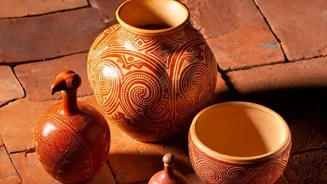
of early craftsmanship. This wasn't just a utilitarian skill; it was an art form for the people. Unlike precious metals or stone reserved for royalty, clay was democratic, accessible, and versatile. Generations of artisans, known as 'kumhars', have passed down techniques, creating distinct regional styles from the blue pottery of Jaipur to the black clayware of Manipur, each piece telling a story of its local culture and community.
The Pressure of Price and Plastic
Despite its rich heritage, the traditional potter's livelihood is under immense pressure. The rise of cheaper, more durable materials like plastic and steel has drastically reduced the demand for everyday earthenware. Consumers, often accustomed to mass-produced prices, can be hesitant to pay for the time and skill invested in a handmade item. This economic squeeze is compounded by other challenges: unstable income tied to seasonal demand, middlemen who shrink profit margins, and environmental issues like polluted rivers that make sourcing good quality clay difficult and expensive. As a result, many younger generations are abandoning the craft for more stable urban careers, leading to a decline in traditional knowledge.
Reimagining the Potter's Wheel
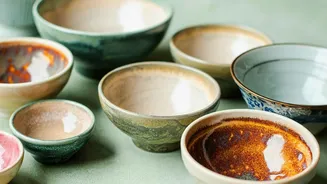
Yet, a quiet resurgence is taking place, not by clinging to the past, but by creatively reinterpreting it. A new generation of artisans and designers is bridging the gap between tradition and contemporary taste. They are experimenting with modern forms, minimalist aesthetics, and new functions that appeal to urban consumers. Today, you can find terracotta reimagined as sleek coffee mugs with clean lines, Scandinavian-inspired decorative vases, minimalist water pitchers, and chic tableware with matte glazes. These products retain the warmth and authenticity of handmade craft while fitting seamlessly into a modern home, transforming clay from a rustic necessity into a desirable lifestyle product.
From Local Haats to Digital Carts
The internet has become a vital lifeline for these artisans, offering a way to bypass traditional intermediaries and connect directly with customers. E-commerce platforms and social media sites like Instagram allow potters and craft collectives to showcase their work, tell their stories, and reach a global audience. By providing vivid imagery, videos of the creation process, and profiles of the makers, these online storefronts build trust and help consumers appreciate the value behind each piece. This digital shift is not only boosting sales—with some reports showing a significant rise in online orders for pottery—but also empowering artisans to control their own narrative and pricing.
The Rise of the Conscious Consumer
This revival is also being fuelled by a global shift in consumer behaviour. A growing number of people are turning away from mass-produced, disposable goods and are actively seeking out products that are sustainable, ethically made, and have a story. Indian clay craft, being inherently eco-friendly, fits perfectly into this conscious consumerism trend. Choosing a hand-thrown ceramic piece over a factory-made one is becoming a statement—a vote for supporting local economies, preserving cultural heritage, and owning something with a soul. This growing appreciation ensures that the craft is not just surviving but finding a new, valued place in the modern world.