





The Allure of the Ghost Flower
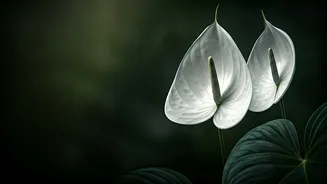
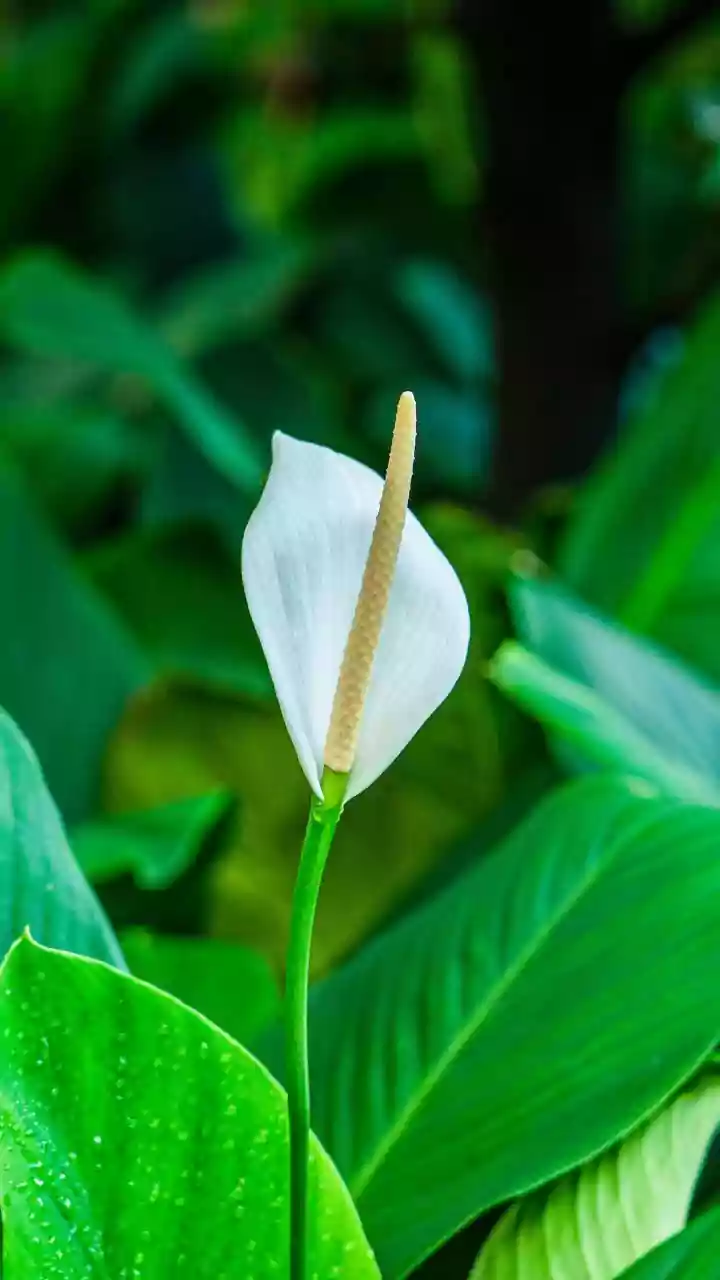
If you’ve ever been in a floral shop or a well-stocked nursery, you’ve likely seen an anthurium. With their glossy, heart-shaped 'flowers'—which are actually modified leaves called spathes—and prominent, finger-like spadix, they are undeniably distinctive.
Most common varieties bloom in fiery reds, hot pinks, and deep oranges. But the object of affection for a growing number of Indian gardeners is something more ethereal: the pure white anthurium. Often nicknamed the 'ghost flower' or 'white heart,' its appeal lies in its sophisticated, almost architectural elegance. Unlike its colorful cousins, the white anthurium feels less tropical-gaudy and more minimalist-chic. It’s a living sculpture, a statement piece that conveys a sense of calm and luxury. This aesthetic purity is the seed of the trend; it’s a plant that looks as good on a curated Instagram feed as it does on a windowsill.
The Digital Greenhouse Effect
This isn't a trend that spread through word-of-mouth at local garden clubs. It exploded in the digital realm. Facebook groups dedicated to Indian plant lovers, with names like 'Plant-A-Holics India' and 'Indian Gardeners,' have become virtual greenhouses where trends are born. Here, a single photo of a flawless, pristine white anthurium can garner hundreds of likes and a flurry of comments asking, 'Where did you get it?' and 'Is it hard to grow?' Instagram is an even more powerful engine. Under hashtags like #anthuriumlove and #indianplantcommunity, images of immaculate white specimens are showcased in beautifully staged home settings, amplifying their desirability. This online exposure creates a powerful feedback loop: the more the plant is seen, the more it is wanted. It transforms a simple houseplant into a coveted status symbol within the community—a marker of taste and dedication.
More Than Buying: The Passion for Propagation
What makes this trend particularly interesting is the focus on 'propagating'—the process of creating new plants from an existing one. For serious enthusiasts, simply buying a white anthurium isn't the ultimate goal. The real achievement is successfully propagating it. Anthuriums are typically propagated by dividing a mature plant at its root base, a delicate operation that requires care and patience. Each new, healthy offshoot is a badge of honor. Sharing a photo of a successfully divided 'pup' is a bigger flex than showing off a store-bought plant. This DIY spirit elevates the hobby from mere consumerism to a skilled craft. It’s about participating in the life cycle of the plant, not just owning it. Online forums are filled with members sharing tips on rooting hormones, soil mixes, and humidity levels, collectively demystifying a process that can seem intimidating to novices.
A Symbol of Skill and Community
Ultimately, the white anthurium craze is about more than just a pretty plant. It's a social object that binds a community together. The shared quest for acquiring, growing, and propagating it creates a common language and purpose. Members trade cuttings, offer advice to struggling growers, and celebrate each other's successes. In a country as vast and diverse as India, these online spaces unite people from different cities and backgrounds under the banner of a shared passion. Owning a rare white anthurium signifies you're in the know. Successfully propagating one signifies you have skill. And sharing that journey online signifies you're part of the community. The plant becomes a vessel for connection, a living symbol of a modern, digitally connected hobby that is both deeply personal and widely social.