



A Garden of Living Stories
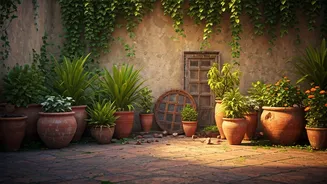
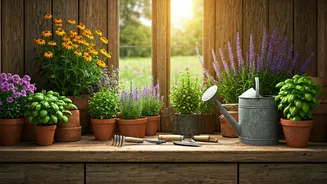
For many of us in India, the memory of a family home is incomplete without its garden. It might have been a sprawling lawn, a modest backyard patch, or just a collection of pots on a sun-drenched balcony. This space was more than just a source of flowers
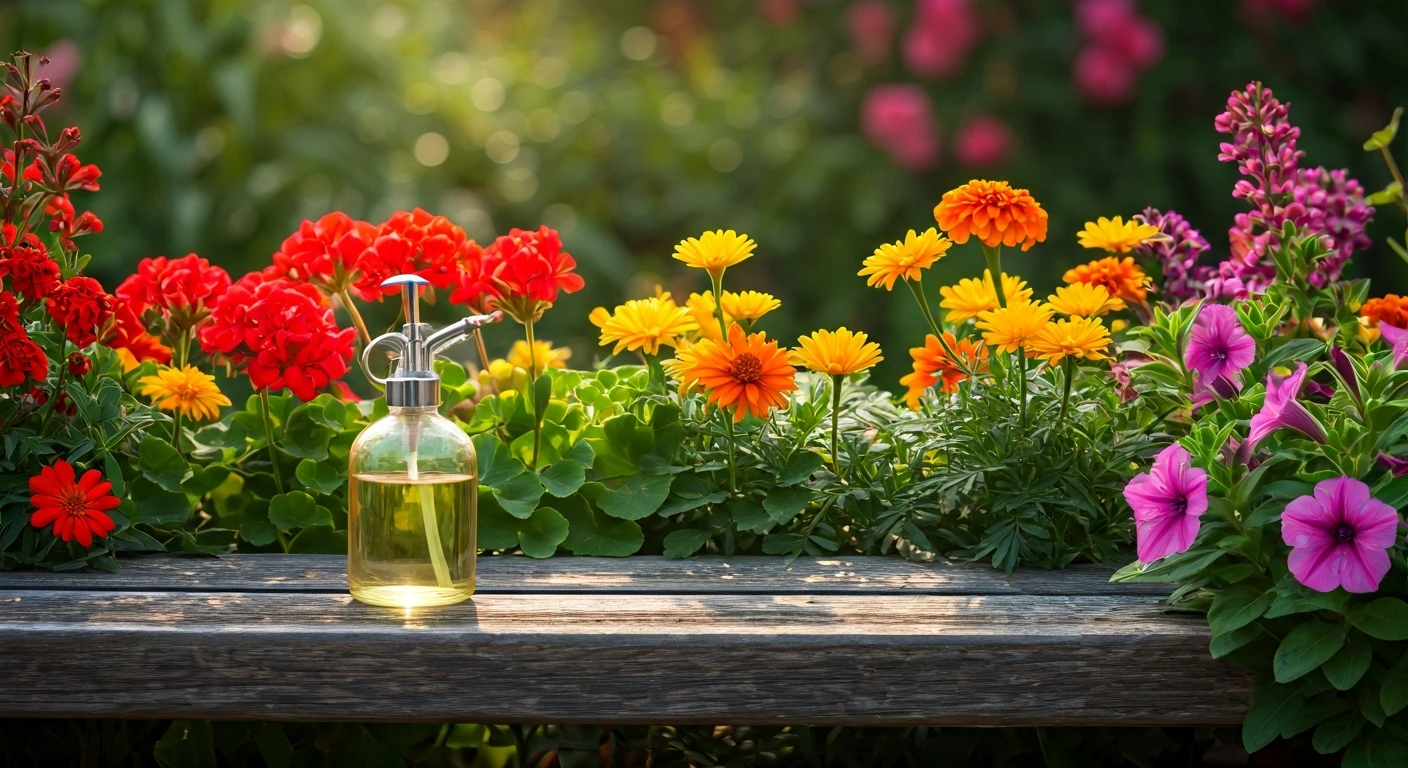
for the morning puja or herbs for the kitchen; it was a living chronicle of our family. We remember a grandparent tending to their rose bushes with unwavering dedication, a mother carefully nurturing a tulsi plant, or the sprawling mango tree that was the centerpiece of every childhood summer. Each plant tells a story. The curry leaf plant, perpetually raided for tadkas, or the vibrant marigolds grown for Diwali garlands, are threads woven into the fabric of our upbringing. These aren't just plants; they are markers of time, love, and continuity. Re-engaging with these plants today, whether by planting them ourselves or simply seeing them in a market, can feel like flipping through a cherished family album.
The Powerful Link Between Scent and Memory
Have you ever caught a whiff of mogra and been instantly transported to your grandmother’s veranda? There's a scientific reason for that. The olfactory bulb, which processes smells, is directly connected to the brain's limbic system, where memory and emotion are managed. This is why scents are such powerful triggers for vivid, emotional memories—a phenomenon known as the 'Proust effect.' The fragrance of night-blooming jasmine (raat ki rani), the earthy aroma of petrichor after a monsoon shower, or the sharp, clean scent of crushed mint leaves can unlock memories we didn't even know we had stored away. Gardening is a full-sensory experience, but it’s the scents that often form the strongest, most lasting connections to our past. When we cultivate these fragrant plants, we are essentially curating a library of our most cherished moments, ready to be revisited with every breeze.
Creating Your Own Memory Garden
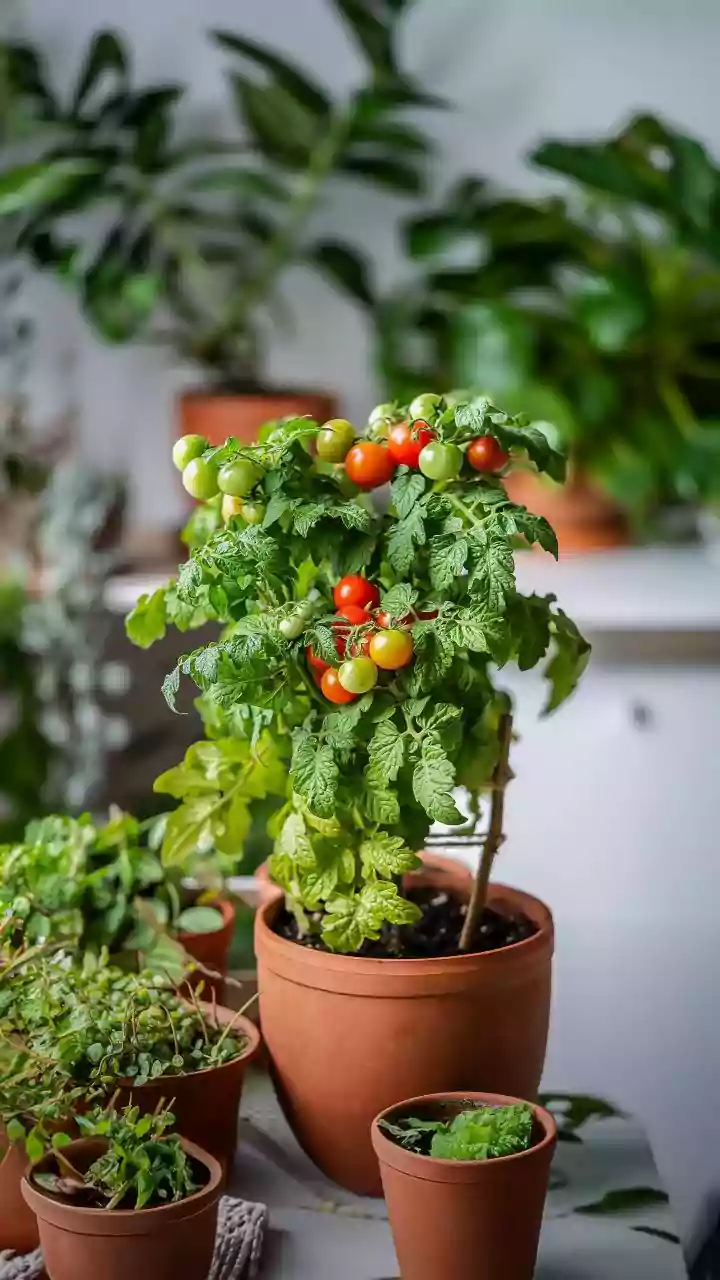
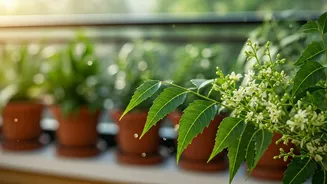
The beauty of nostalgic gardening is that it's accessible to everyone, regardless of space. You don't need a large plot of land to start cultivating memories. A few carefully chosen pots on a windowsill or balcony can be just as meaningful. Begin by thinking about the plants that defined your family's home. Was it a pot of aloe vera, always ready to soothe a scrape or burn? Or a hibiscus bush whose flowers were offered at the family shrine? Start with one or two of these 'heirloom' plants. Ask older relatives for stories about the plants they grew up with. They might even have seeds or cuttings they can share, creating a direct, living link to your family's history. The goal isn't horticultural perfection; it's about connection. The act of nurturing a plant that your ancestors also nurtured is a profound way to honour their legacy and keep their memory alive.
More Than Just Looking Back
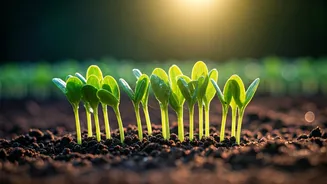
While nostalgic gardening is rooted in the past, its true joy lies in the present and future. The act of tending to a garden—watering, weeding, and watching something grow—is a meditative practice that grounds us in the here and now. It provides a quiet, restorative escape from the hustle of modern life. It teaches patience and celebrates small victories, like the first new leaf or the first bloom. Furthermore, by creating a memory garden, you are not just preserving old stories; you are planting the seeds for new ones. When you involve your children or younger family members, you pass on not just the plants themselves, but the stories and traditions attached to them. The hibiscus you plant today could be the source of their fondest childhood memories tomorrow, creating a beautiful, unbroken chain of green that connects generations.