



The Ultimate Recycling Challenge
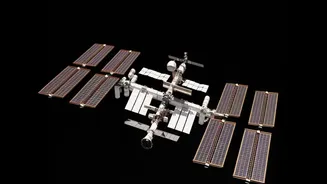
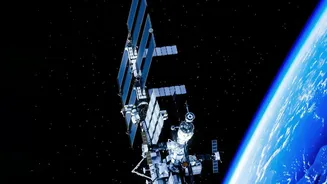
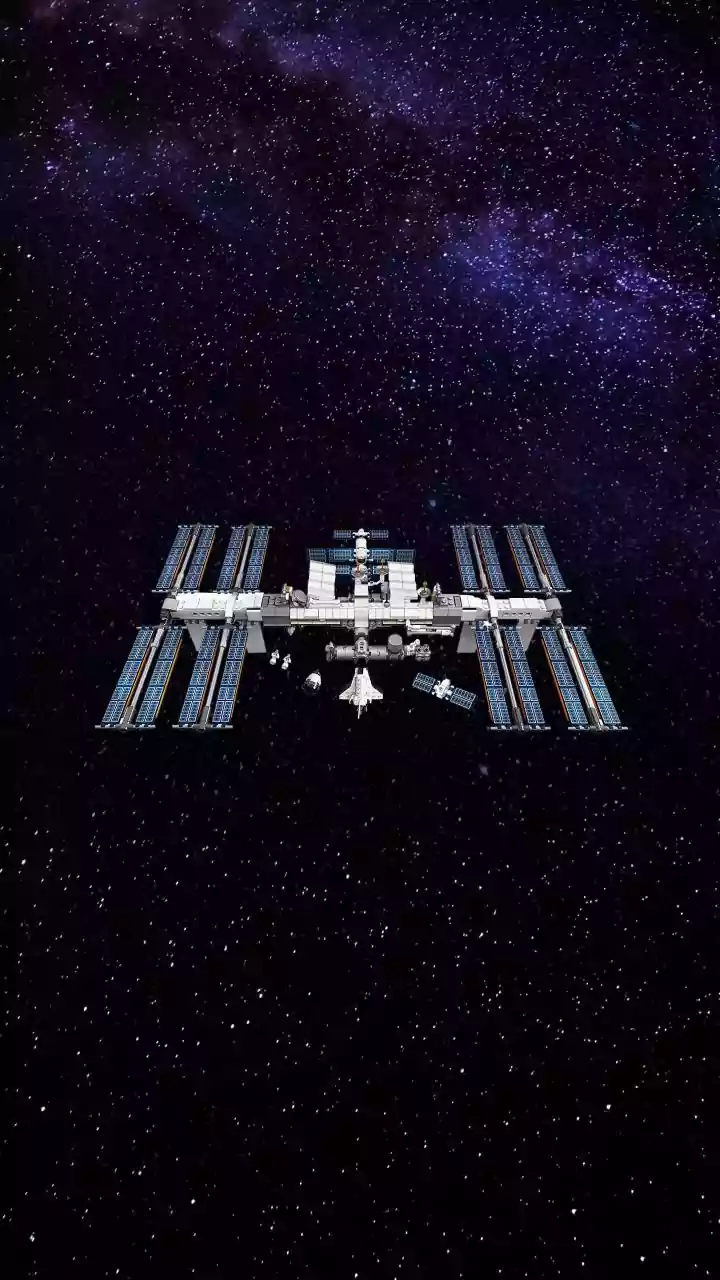
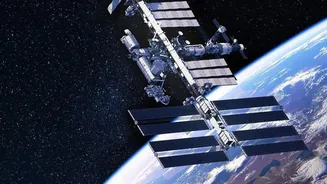
Imagine living and working in a sealed container for months on end. This is the reality for astronauts aboard the International Space Station (ISS). In this closed environment, the air doesn't magically refresh itself. Humans exhale carbon dioxide (CO2),
and in a confined space, that CO2 can quickly build up to toxic levels. For decades, the solution was relatively straightforward but inefficient: bring tanks of oxygen and use systems to scrub the CO2, with the waste vented into space. This is known as an open-loop system. It’s reliable but incredibly wasteful and depends on a constant, expensive supply chain from Earth. Every kilogram of supplies launched into orbit costs a fortune, making long-term self-sufficiency a critical goal.
From Open to Closed Loops
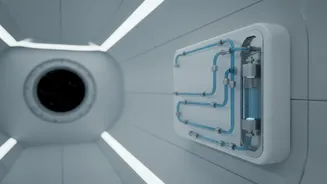
This is where closed-loop technology comes in. The goal of a closed-loop system is to treat waste not as something to be discarded, but as a resource to be recovered. Instead of just removing CO2, the Environmental Control and Life Support System (ECLSS) on the ISS and future spacecraft is designed to reclaim the valuable oxygen atoms locked within it. A truly closed system would be a perfect, self-sustaining bubble, much like Earth's own ecosystem. While a 100% closed loop is still the stuff of science fiction, modern systems are getting remarkably close. By regenerating resources like air and water, these systems dramatically reduce the mass and volume of supplies that need to be launched from Earth.
The Technology of Breath
The process of turning exhaled CO2 back into breathable oxygen is a multi-step chemical marvel. First, the Air Revitalization System captures CO2 from the cabin atmosphere, often using materials called molecular sieves that act like a chemical sponge. Once the CO2 is collected, the magic really begins. In a process called the Sabatier reaction, this captured CO2 is reacted with hydrogen. This reaction, which uses a catalyst to speed things up, produces two key outputs: water (H2O) and methane (CH4). The newly created water is a precious resource, which is then fed into an Oxygen Generation System. This system uses electrolysis to split the water molecules back into hydrogen and oxygen. The oxygen is released into the cabin for the crew to breathe, while the hydrogen is cycled back to be used in the Sabatier reaction again. The methane is currently considered a waste product and is vented into space, which is why the loop isn't fully closed yet.
Why Fewer Rockets Matter
The impact of this technology is enormous. Reducing the need for water and oxygen resupply by even a few hundred kilograms per year saves millions in launch costs and frees up space on cargo missions for science experiments and other critical hardware. The European Space Agency's Advanced Closed Loop System (ACLS), for example, aims to recycle about half of the CO2, saving the need to launch around 400 litres of water to the ISS annually. This logistical independence is not just about saving money; it is the fundamental enabling technology for deep space exploration. A mission to Mars could take nearly two years, making regular resupply missions impossible. For astronauts to survive a trip to Mars and back, they will need life support systems that are almost completely self-sufficient.
Pushing for a Perfect Loop
The quest for a perfectly circular life support system continues. Current systems like the Sabatier reaction vent methane, effectively losing hydrogen and carbon atoms from the loop. Future innovations are focused on finding ways to break down this methane to recover the hydrogen, closing the loop even further. Researchers are also exploring bioregenerative systems that use plants or algae to perform the work of air revitalization and food production naturally. Systems like the UK Space Agency-funded CHRSy are being developed that promise even higher efficiency, potentially reaching near 100% water recycling without the same limitations as current reactors. Each improvement brings humanity closer to the day when crews are no longer tethered to Earth by a fragile supply line, but can truly live and work sustainably on the Moon, Mars, and beyond.