







The Engine of the Rural Economy
At its core, the Kharif season is the summer cropping period, starting with the first monsoon rains in June and ending with the harvest in autumn. This is when India's most vital crops are sown: rice, maize, cotton, soybean, and various pulses. Accounting
for over half of the country's total food grain production, the success of this season is paramount for food security. But its importance goes far beyond filling granaries. Agriculture employs a vast portion of India's rural workforce, and the Kharif season is the peak period for employment. From sowing and weeding to harvesting, the season creates millions of jobs, providing the primary source of income for a huge number of households.
A High-Stakes Bet on the Monsoon
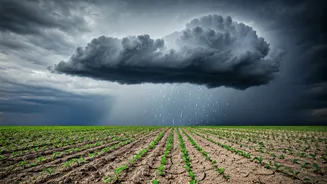
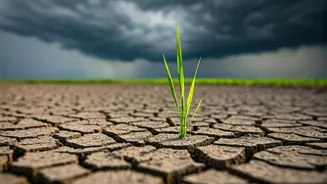
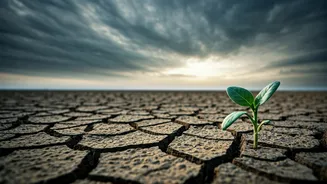
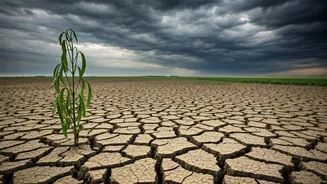
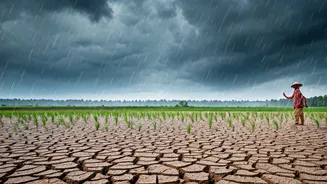
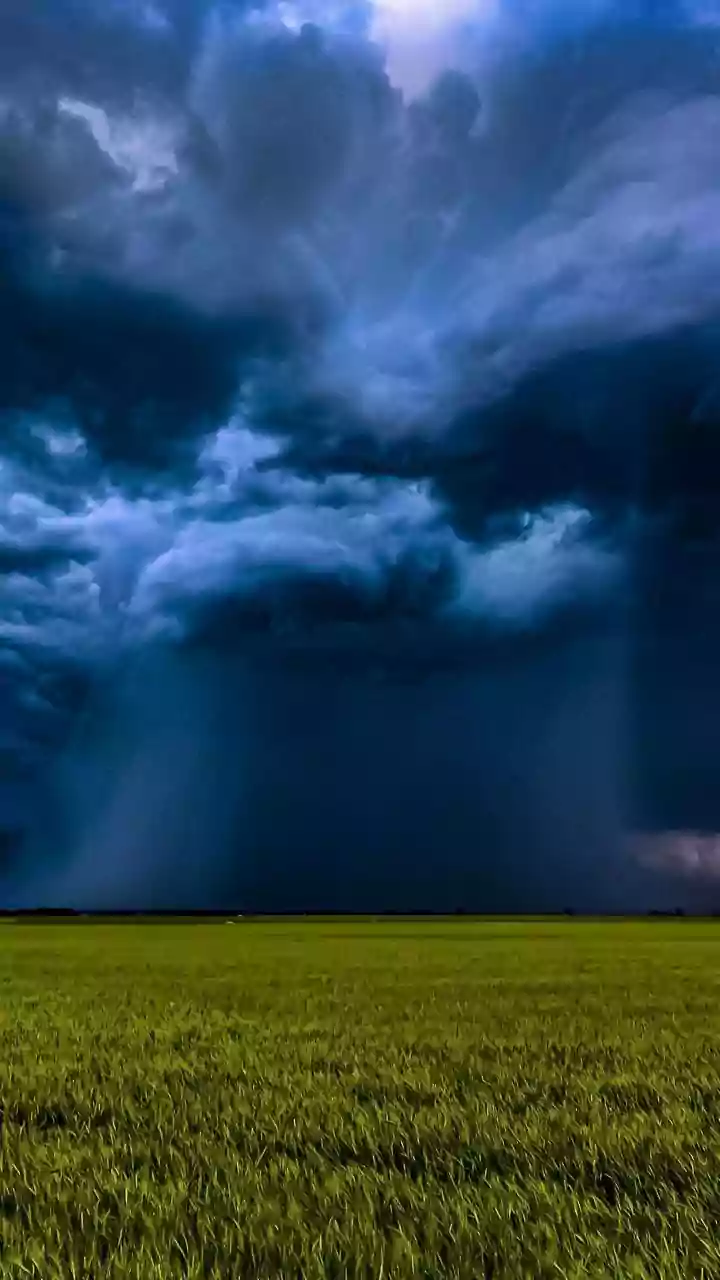
The fate of the Kharif season is almost entirely tied to the performance of the Southwest Monsoon, which provides about 75% of India's annual rainfall. A significant portion of India's farmland is rain-fed, meaning it lacks access to irrigation and is completely dependent on these seasonal showers. A timely and well-distributed monsoon leads to a bumper harvest, but a delayed or deficient one can spell disaster. As of late June 2026, the monsoon's progress has been slow, with a significant rainfall deficit reported across the country. This has delayed sowing, with the total area under Kharif crops down by nearly 23% compared to the previous year, raising concerns about potential output.
How Kharif Affects Your Household Budget
Even if you live in a city, far from the nearest farm, the outcome of the Kharif season directly impacts your wallet. A poor harvest tightens the supply of essential food items like rice, pulses, and vegetables, leading to a direct spike in food inflation. Conversely, a good harvest ensures stable prices at your local market. Furthermore, a prosperous Kharif season boosts the incomes of millions of farmers. This increase in rural income drives demand for consumer goods, from soaps and shampoos to motorcycles and smartphones. Companies in these sectors watch the monsoon's performance as a key indicator of their future sales and growth. A struggling farm sector means less rural spending, which can slow down the entire economy.
A Barometer for Industry and Policy
The ripple effects of the Kharif season extend throughout the corporate world. Industries that supply the agricultural sector, such as fertilizer, seed, and tractor manufacturers, see their fortunes tied directly to the season's prospects. A weak monsoon not only hurts crop output but also dampens demand for these products. The season is also a major focus for government policy. To protect farmers from price volatility and encourage production, the government sets a Minimum Support Price (MSP) for key Kharif crops. For the 2026-27 season, the government has already announced increased MSPs for 14 crops to bolster farmer incomes. These policies, along with the season's outcome, can have significant political implications, as rural distress often becomes a major political issue.