



The 'Shoulder Season' Sweet Spot
In the travel world, the period between the peak and off-peak seasons is known as the 'shoulder season'. In India, this sweet spot falls right after the monsoons recede and before the busy festival and winter holiday rush begins. From September to October,
you get the best of both worlds: the vibrant, freshly washed landscapes left by the rains and the pleasant, mild weather that precedes winter. This underrated window is perfect for travellers who want to experience popular destinations in a more relaxed and budget-friendly way.
Perfect Weather and Lush Landscapes
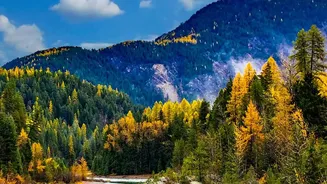
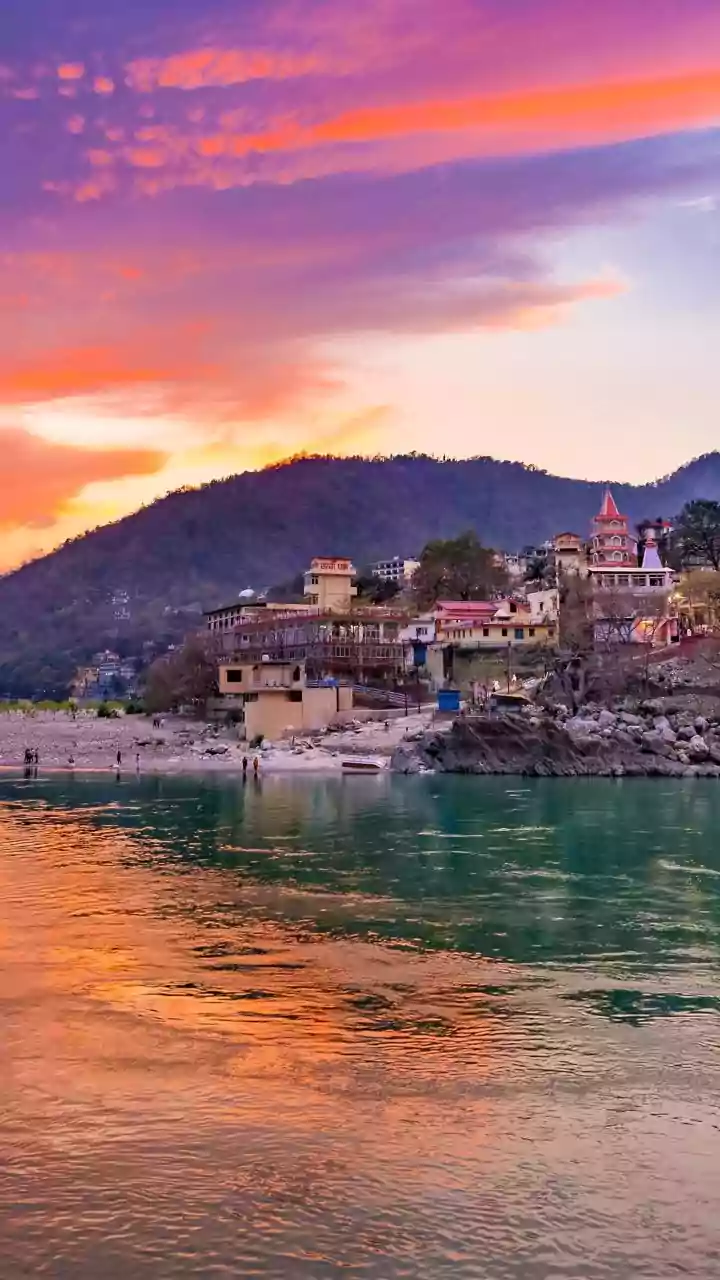
Post-monsoon India is a spectacle of nature. The dust has settled, the air is crisp, and the entire country is draped in a lush carpet of green. Waterfalls are at their most powerful, rivers are full, and the hills and forests are teeming with life. In places like Kerala, Coorg, and Munnar, the tea and coffee plantations are glistening and verdant. In the north, the skies over Himalayan states like Uttarakhand and Himachal Pradesh clear up, offering stunning mountain views that were hidden by monsoon clouds. This is the time to see India in its most vibrant and rejuvenated state, with comfortable temperatures ideal for sightseeing.
Fewer Crowds, More Authentic Experiences
One of the biggest advantages of travelling in September and October is the significant lack of crowds. Popular tourist spots that are usually packed during peak season are much quieter, allowing for a more immersive and peaceful experience. Imagine exploring the majestic forts of Rajasthan without long queues or enjoying a serene boat ride on the backwaters of Kerala without a flotilla of other houseboats around you. This quieter atmosphere means you can interact more genuinely with locals and experience a destination's culture at a slower, more authentic pace.
Your Wallet Will Thank You
Shoulder season travel is a smart financial decision. With lower demand, airlines and hotels often offer significant discounts compared to the peak rates seen from November onwards. You can find deals on flights, and accommodation can be 30-50% cheaper, allowing your travel budget to stretch further. This could mean upgrading to a nicer hotel, indulging in more local experiences, or simply saving a considerable amount of money. The reduced prices apply to everything from local transport to activities, making it a financially savvy time to take a major trip.
Where to Go: Post-Monsoon Magic
The choices are plentiful during this season. For lush greenery and stunning scenery, head to the Western Ghats destinations of Coorg, Munnar, or Wayanad. If beaches are your calling, the Andaman Islands and Goa are reopening with clearer skies and calmer seas, but without the winter crowds. In Rajasthan, cities like Jaipur and Udaipur are pleasant to explore before the intense winter tourist season begins. For mountain lovers, places like Nainital in Uttarakhand or the Tirthan Valley in Himachal Pradesh offer crisp air and majestic views. Even the Ziro Valley in Arunachal Pradesh is a great choice after the harvest.
Redefine Your Holiday Calendar
By taking your main holiday in September or October, you free up the traditional festive periods like Diwali and Christmas for what they are truly about: spending quality time with family at home. You can avoid the stress, expense, and chaos of holiday travel and instead enjoy the festivals in a relaxed manner. This shift allows you to create a new tradition—a rejuvenating post-monsoon journey that recharges you for the festive season ahead, completely changing how you approach your annual holiday calendar.