





The Gut-Brain Superhighway
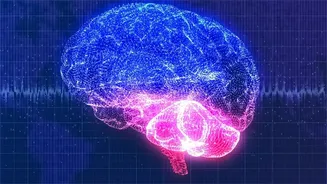
You’ve probably heard phrases like a ‘gut feeling’ or having ‘butterflies in your stomach’. These aren't just expressions; they point to a real, physical connection known as the gut-brain axis. This is a complex, two-way communication network linking
your brain and your digestive system. Think of it as a constant conversation happening inside your body. Messages about hunger, stress, and even your emotional state travel back and forth along this superhighway, primarily via the vagus nerve. This system helps regulate everything from digestion to mood, which is why a disruption in your gut can sometimes lead to feeling down or anxious, and vice versa.
Your Gut's Secret Messengers
Your gut is home to trillions of microorganisms, collectively known as the gut microbiome. These tiny residents are more than just passive bystanders; they are active participants in your health. In fact, your gut is sometimes called the ‘second brain’ because it produces many of the same neurotransmitters that your brain does, including over 90% of your body's serotonin. Serotonin is a crucial chemical messenger that plays a significant role in regulating mood, happiness, and anxiety. When your gut microbiome is balanced and healthy, it supports the steady production of these mood-influencing chemicals. However, an imbalance, often caused by diet or stress, can disrupt this process and affect your mental clarity and emotional stability.
The Critical Role of Fiber
So, how do we keep these helpful gut bacteria happy? The answer is simple: we have to feed them well. And their favourite food is dietary fiber. Fiber is a type of carbohydrate that our bodies can't digest. Instead, it travels to the large intestine, where it becomes fuel for our gut microbes. Certain types of fiber, known as prebiotics, are especially good at nourishing the most beneficial bacteria. As these bacteria feast on fiber, they produce powerful compounds called short-chain fatty acids (SCFAs). These SCFAs, like butyrate, have multiple benefits: they strengthen the gut lining, reduce inflammation, and can even travel to the brain, where they may have protective effects and influence cognitive function.
Fueling Your Focus with Indian Foods
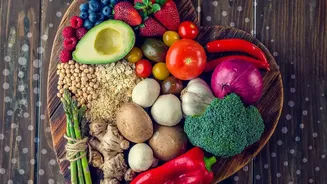
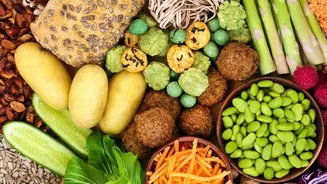
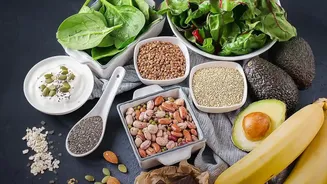
A diet rich in diverse, fiber-filled foods is one of the best ways to support your gut-brain axis. Fortunately, traditional Indian cuisine is naturally packed with excellent sources of fiber. By focusing on whole, unprocessed foods, you can easily boost your intake. For instance, starting your day with whole grains like dalia, ragi, or bajra instead of refined flour products provides a solid fiber foundation. Incorporating a variety of dals and legumes is also key. Rajma, chana, masoor, and moong dal are all powerhouses of both protein and fiber, helping to keep you full and your blood sugar stable.
Easy Ways to Add More Fiber
Increasing your fiber intake doesn't have to be difficult. Simple swaps and additions can make a huge difference. Try to include a seasonal sabzi with every meal, focusing on vegetables like bhindi (okra), beans, sweet potato, and leafy greens like palak. Snack on fruits that are high in fiber, especially guava (amrood), which is one of the best sources available in India. Apples (with the skin on), bananas, and papayas are also great choices. Don’t forget nuts and seeds; a spoonful of flax seeds (alsi) or a handful of almonds can add a quick fiber boost to your curd, porridge, or salad. Remember to increase your fiber intake gradually and drink plenty of water to help your digestive system adjust.