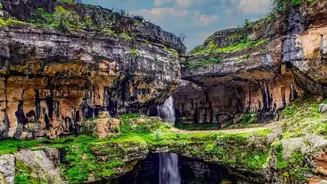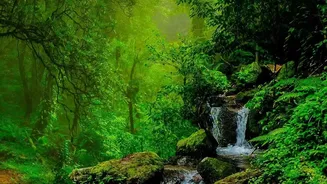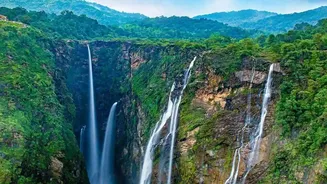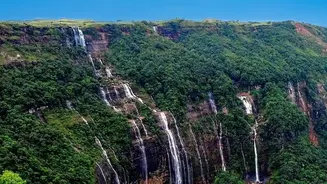


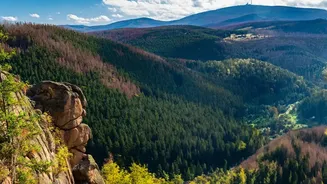
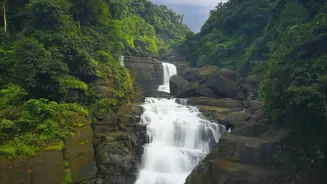
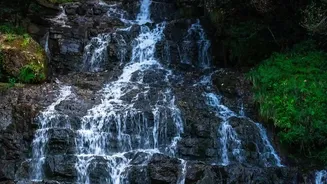
Meghalaya’s landscape transforms into a lush, vibrant paradise after the monsoon. This guide will help you navigate Sohra's magnificent waterfalls and iconic living root bridges during the perfect window before the winter chill arrives.
The Perfect Window: Post-Monsoon Magic
The ideal time
to explore Sohra, also known as Cherrapunji, is the autumn season from October to November. After months of heavy rainfall, the landscape is intensely green, and the waterfalls are at their most powerful. This post-monsoon period offers clear skies and pleasant weather, creating perfect conditions for trekking and sightseeing before the colder, foggier days of winter begin in December. The air is fresh, the rivers run clear, and the trails are more accessible than during the wet monsoon months.
Chasing Sohra's Majestic Waterfalls
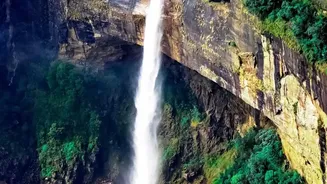
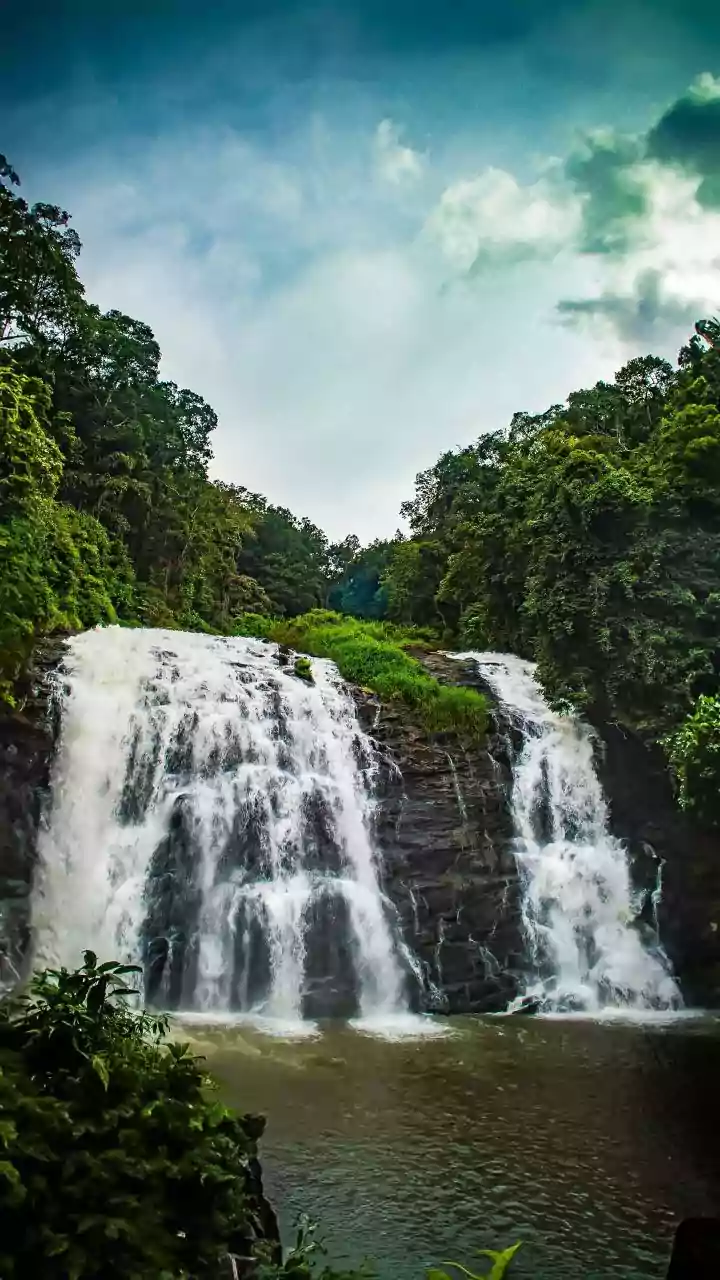
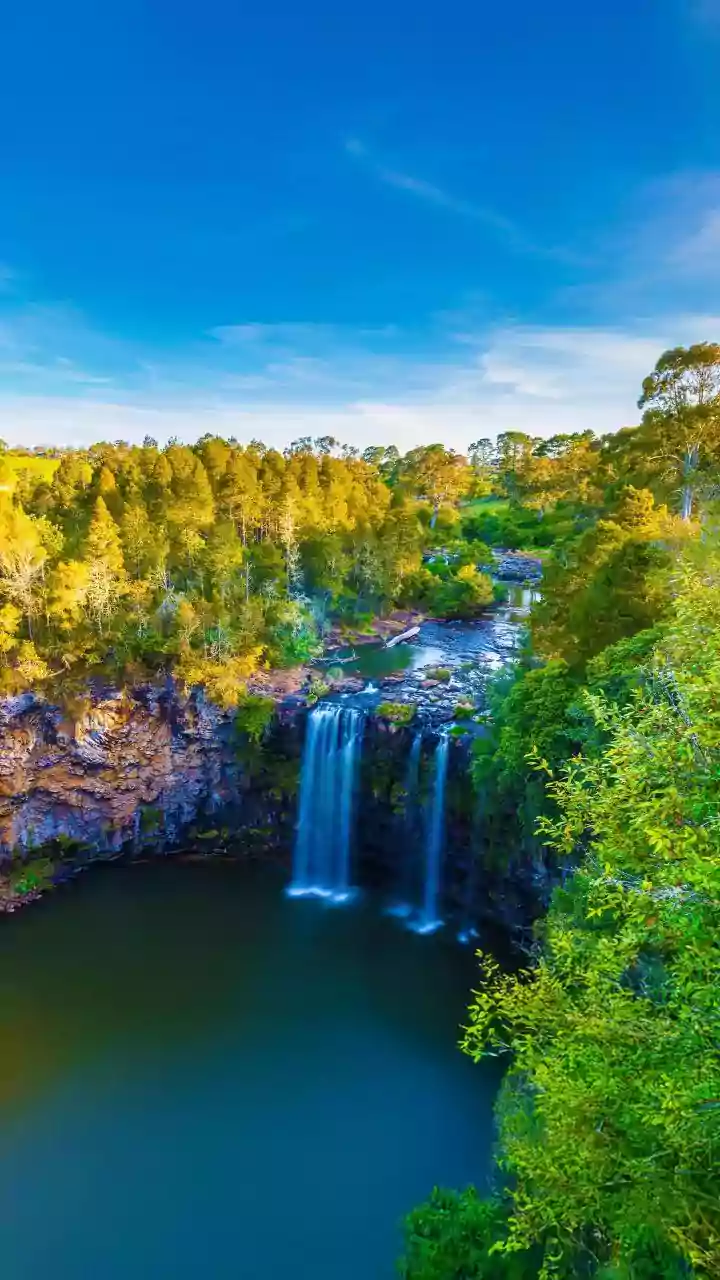
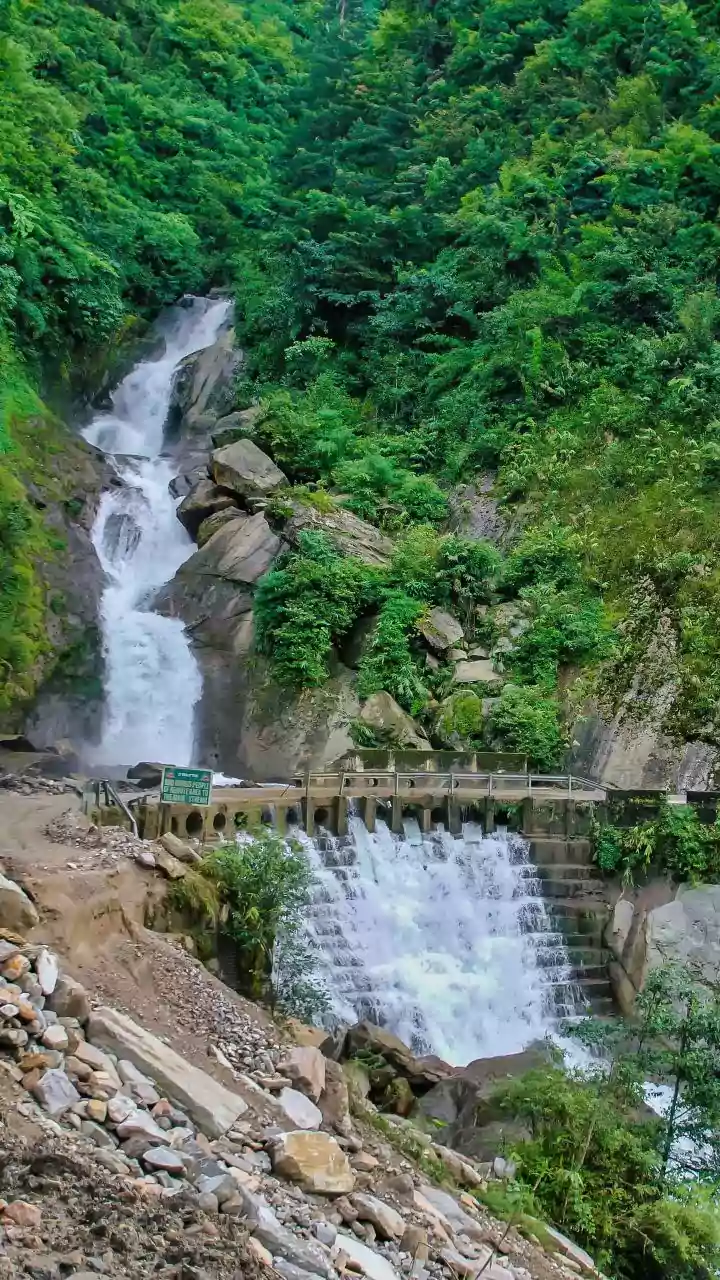
Sohra is famed for its dramatic waterfalls, which are a must-see in their post-monsoon glory. The Nohkalikai Falls, India's tallest plunge waterfall, is a breathtaking sight as it drops from a height of 340 metres. Another highlight is the Nohsngithiang Falls, popularly known as the Seven Sisters Falls, a seven-segmented cascade that is particularly spectacular after the rains. Don't miss Dainthlen Falls, known for the legends surrounding its creation, and the three-tiered turquoise pools of Wei Sawdong Falls. Most of these viewpoints are easily accessible by car, followed by short walks.
Trekking to the Living Root Bridges
Meghalaya's living root bridges are a testament to human ingenuity and harmony with nature, grown by the Khasi and Jaintia tribes from the roots of rubber fig trees. The most famous of these is the Umshiang Double-Decker Living Root Bridge in Nongriat village. Reaching it requires a challenging but rewarding trek starting from Tyrna village, involving a descent of approximately 3,500 steps. The entire return journey can take about 4 to 6 hours. For those seeking a less strenuous experience, the single-decker Jingmaham Living Root Bridge near Mawlynnong village is much more accessible.
Essential Travel and Logistics
The journey to Sohra typically begins from Guwahati, Assam, which has the nearest major airport and railway station. From Guwahati, you can hire a taxi or take a shared sumo to Shillong, the capital of Meghalaya, a scenic drive of about 3-4 hours. Sohra is another 1.5 to 2-hour drive from Shillong. It's advisable to book your accommodation in Sohra in advance, especially during the peak tourist season. Options range from resorts to local homestays, which offer an authentic Khasi experience. Within Sohra, hiring a local taxi for the day is the most convenient way to cover the various sightseeing points.
What to Pack for Your Autumn Trip
Packing for Meghalaya in autumn requires planning for varying conditions. A lightweight, waterproof jacket or poncho is essential, as sudden showers can occur. Layering is key; pack light woollens or a fleece jacket for the cool evenings and mornings. Sturdy trekking shoes with good grip are non-negotiable, especially for the slippery steps leading to the root bridges. Also carry a power bank, as electricity can be unreliable in remote areas, a basic first-aid kit, insect repellent, and enough cash, as ATMs are scarce outside of Shillong.