


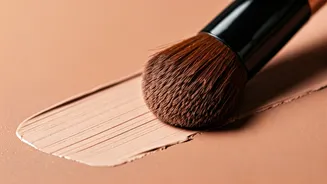


Start with Smart Skin Prep
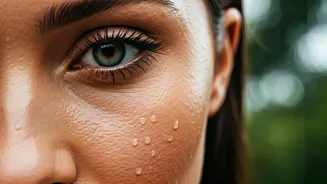
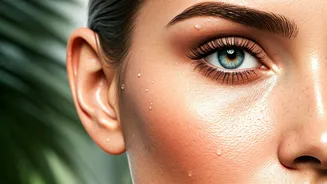
The foundation of long-lasting makeup in humidity isn't foundation—it's skincare. Before any makeup touches your face, ensure your skin is properly prepared. Start by washing your face to remove any excess oil and dirt. Follow up with a lightweight, oil-free,
or gel-based moisturiser. Heavy creams can cause makeup to slip, so opt for formulas with ingredients like hyaluronic acid or aloe vera that hydrate without adding grease. Sunscreen is non-negotiable, but choose a gel or non-greasy formula that dries to a matte or satin finish to avoid adding extra shine. Allow each skincare product to fully absorb for a few minutes before moving to the next step.
Don't Skip The Primer
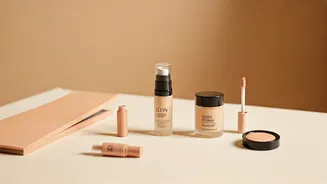
Primer is the single most crucial step for creating a sweat-proof barrier between your skin and your makeup. In humid conditions, a mattifying primer is your best friend. Look for formulas designed to control oil and blur the appearance of pores. These primers create a smooth canvas for your foundation to adhere to, dramatically increasing its wear time. Apply it strategically, focusing on your T-zone (forehead, nose, and chin) and any other areas where you tend to get oily. Think of it as insurance for your entire look.
Less is More with Your Base
When it's hot and humid, a heavy layer of foundation is the first thing to look cakey and melt away. The mantra for a durable base is 'less is more'. Consider swapping your full-coverage foundation for a lightweight skin tint, BB cream, or a long-wearing, water-resistant formula. Silicone-based foundations often perform better in humidity as they create a barrier against moisture. Apply your base in thin layers using a damp sponge, pressing or stippling the product into the skin rather than rubbing. For even lighter coverage, you can skip foundation altogether and just use a long-wear concealer to spot-treat blemishes and under-eye areas.
Choose Your Formulas Wisely
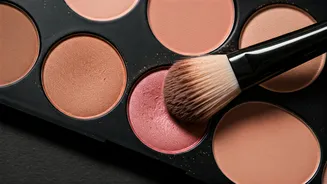
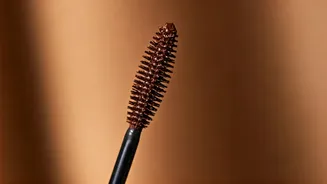
The type of makeup you choose is just as important as how you apply it. For eyes, waterproof mascara and smudge-proof eyeliner are essential to prevent the dreaded 'raccoon eye' effect. When it comes to colour on your cheeks, opinions vary. Some experts find cream blushes and bronzers melt into the skin for a more natural, lasting finish. Others argue that powder products adhere better to a set base in high humidity. The key is to experiment with what works for your skin type, but always opt for formulas labelled as 'long-wearing', 'water-resistant', or 'transfer-proof'. For lips, a matte liquid lipstick or a lip stain will offer far more staying power than a glossy or creamy formula.
Lock It In with Powder
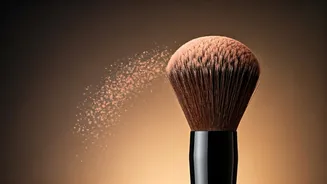
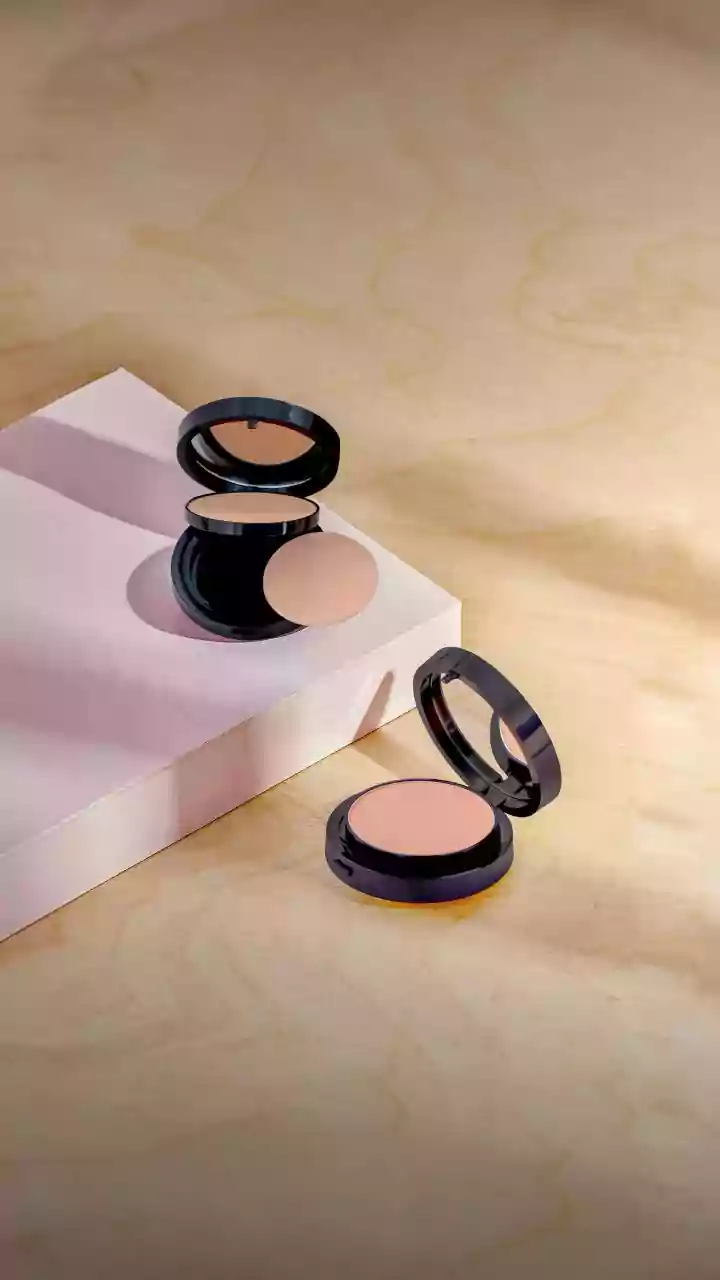
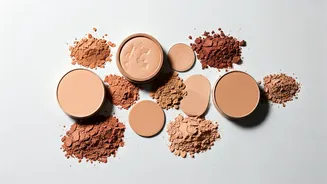
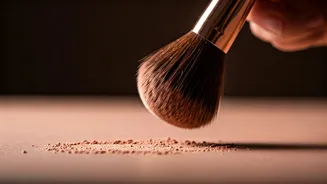
Setting your makeup with powder is a non-negotiable step to absorb oil and lock everything in place. A finely milled, translucent setting powder is a universal secret weapon. Instead of dusting it all over, which can look heavy, press it into the skin with a damp beauty sponge or a powder puff, focusing on the T-zone and under the eyes. This technique, often called 'baking', involves applying a generous amount of powder to oily areas, letting it sit for a few minutes to absorb oil, and then brushing away the excess for a flawless, matte finish that lasts for hours.
The Final Seal: Setting Spray
If primer is the insurance, setting spray is the final seal that fuses all your makeup layers together. A good setting spray will help prevent your makeup from smudging, fading, or transferring throughout the day. Look for oil-controlling or mattifying formulas. Hold the bottle about 25-30 cm away from your face and mist in an 'X' and 'T' formation to ensure even coverage. This final step creates a shield against the elements, ensuring your hard work stays put from morning until night.