


The End of the Catalogue Home
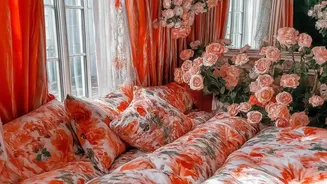
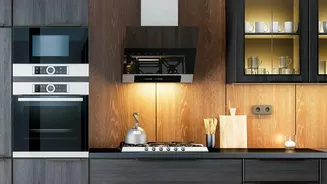
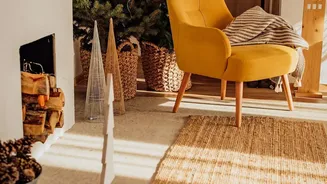
For years, the aspirational Indian home looked like it was lifted from a catalogue. Every piece of furniture matched, the colours were uniform, and everything was impeccably new. While polished, this approach often resulted in spaces that felt impersonal
and generic. Now, homeowners and designers are actively moving away from this rigidity. The consensus is growing: a home should reflect the people living in it, not a fleeting trend or a retailer's showroom display. This signals a desire for individuality and character that mass-produced, template-driven interiors simply cannot provide.
Storytelling Through Objects
At the heart of this trend is the idea that every object in a home should have a purpose or a story. These 'meaningful pieces' are what transform a house into a home. They can be anything from a grandparent's restored armchair or a hand-carved cabinet to artworks, travel souvenirs, or spiritual décor that fosters a sense of peace. The value isn't in the price tag but in the emotional connection. A room filled with items that evoke memories and conversations feels alive and deeply personal, creating a space that is a true reflection of one's life, experiences, and heritage.
An Expression of Modern Indian Identity
This shift is about more than just aesthetics; it's a reflection of a confident, modern Indian identity. As homeowners become more well-travelled and exposed to global design, they are also developing a renewed appreciation for local craftsmanship and history. The result is a unique fusion: a contemporary sofa might sit beside a vintage Tanjore painting, or a Scandinavian-style lamp could illuminate a block-printed Rajasthani quilt. This eclectic approach allows for a blend of old and new, Indian and international, creating a layered look that is both sophisticated and deeply personal. It's not about following rules but about curating a space that feels authentic.
The Rise of Artisanal and Sustainable Choices
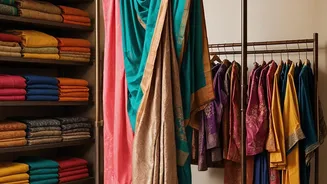
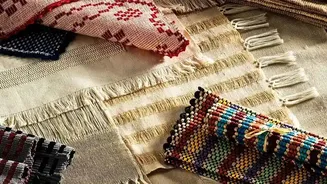
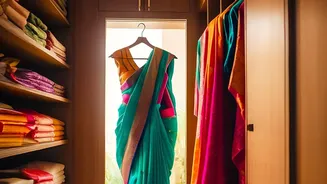
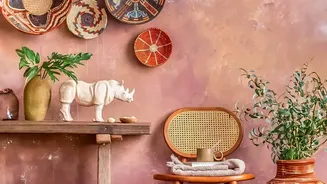
The move towards meaningful décor has also fueled a greater appreciation for artisanal and handcrafted items. Homeowners are increasingly seeking out hand-woven rugs, terracotta pottery, carved wooden pieces, and handloom textiles. This not only adds unique textures and character to a home but also supports local artisan communities and preserves traditional skills. There’s a growing awareness around conscious consumption; choosing a handmade object over a mass-produced one is seen as a more sustainable and soulful investment. These pieces, made from natural materials like wood, stone, and cotton, age beautifully and add a sense of warmth and honesty to a space.