





Understanding Methi in Its Three Forms
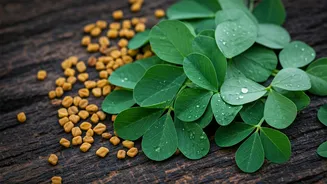
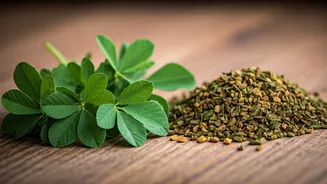
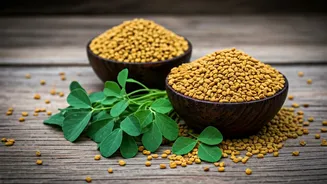
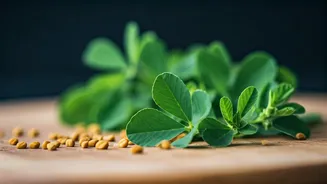
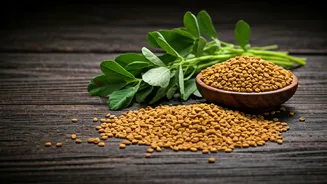
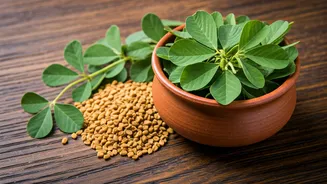
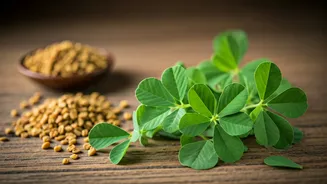
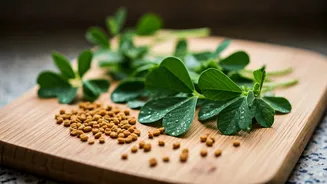
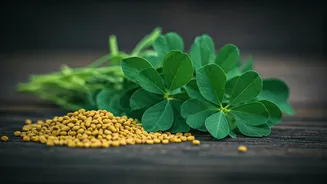
Methi is a uniquely versatile plant where nearly every part is used in cooking, but each in a very different way. You’ll find it primarily in three forms: fresh methi leaves, dried leaves known as Kasuri Methi, and the hard, amber-coloured seeds called
methi dana. Fresh leaves offer a vegetal, mildly bitter taste. The dried leaves provide a powerful, concentrated aroma that’s more savoury and less bitter. The seeds are pungent and nutty, carrying the strongest and most bitter flavour of the three. Understanding these differences is the key to unlocking methi's full potential and moving beyond just a single recipe.
The Fresh Approach: Vibrant Methi Leaves
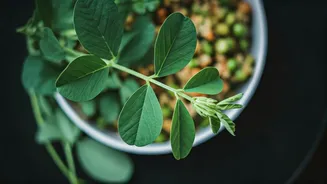
Fresh methi leaves are a staple, especially during the winter months in North India. They bring a fresh, green bitterness that beautifully complements starches and fats. Think of classic comfort foods like Aloo Methi, where potatoes soften the leafy flavour, or Methi Parathas, where the leaves are kneaded into the dough for an aromatic flatbread. You can also stir them into dal towards the end of cooking or mix them with besan for crispy pakodas. The key is to use only the leaves and discard the thicker, more bitter stalks. Washing them thoroughly is a must to remove any grit.
The Finishing Touch: Aromatic Kasuri Methi
Kasuri Methi, the dried form, is the secret weapon of restaurant chefs. Named after the Kasur region of Pakistan, these dried leaves have a concentrated, savoury aroma that is less bitter and more complex than fresh leaves. It’s typically used as a finishing herb. To release its full potential, crush the leaves between your palms and sprinkle them over rich, creamy dishes like Paneer Makhani, Butter Chicken, or Dal Makhani just before serving. The warmth of the dish releases its essential oils, adding a final layer of incredible flavour that cuts through the richness.
The Potent Powerhouse: Methi Seeds
Methi dana, or fenugreek seeds, should be used with a bit more caution due to their potent bitterness. However, they are a powerhouse of flavour and health benefits. They are a common ingredient in tadka (tempering), where they are fried in hot oil or ghee to release a nutty aroma before being poured over dals and vegetable dishes. The seeds are also essential in making pickles, where their strong flavour mellows over time. Soaking the seeds overnight in water not only makes them easier to digest but also reduces their bitterness, and the infused water is often consumed for its health benefits.
Taming the Bitterness
The characteristic bitterness of methi is what makes it special, but sometimes it can be overpowering. Luckily, it’s easy to manage. One of the most effective methods for fresh leaves is to sprinkle them with salt and let them sit for about 20-30 minutes, then rinse them thoroughly to wash away the bitter juices. Another popular trick is to briefly blanch the leaves in hot water with a squeeze of lemon juice. Pairing methi with balancing ingredients like potatoes, cream, tomatoes, or curd also helps to mellow its sharp flavour, making it more palatable, especially for those new to it.
A Boost of Health in Every Bite
Beyond its culinary uses, methi is celebrated in Ayurveda for its numerous health benefits. It is packed with fibre, iron, magnesium, and protein. Regular consumption is believed to aid digestion, help regulate blood sugar levels, and reduce cholesterol. The high fibre content can help with weight management by promoting a feeling of fullness. Whether you drink water infused with its seeds or enjoy it in a sabzi, incorporating methi into your diet is a delicious way to boost your overall wellness.