







Monsoon Mayhem at the Airport
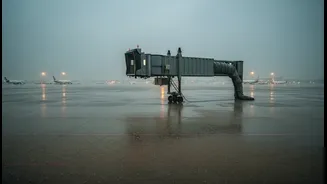
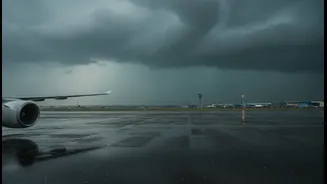
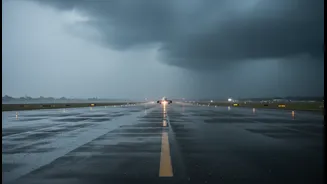
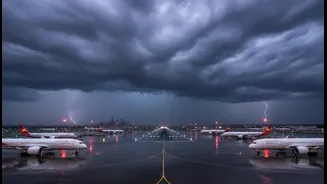
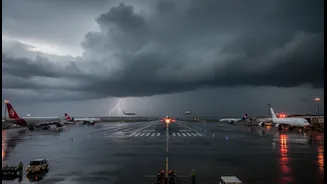
The monsoon season, a welcome event for many, presents unique challenges for aviation. Heavy rainfall, strong winds, and low visibility are currently affecting flight operations in and out of Delhi’s Indira Gandhi International (IGI) Airport. On Tuesday,
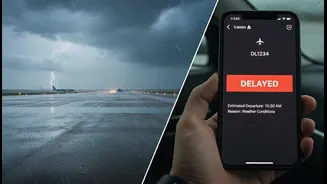
heavy rains battered the region, causing disruptions and prompting airlines like IndiGo, Air India, and SpiceJet to issue travel advisories. These conditions make take-offs and landings hazardous, forcing Air Traffic Control to reduce the frequency of flights, leading to delays. In recent days, numerous flights have been diverted to nearby airports like Jaipur and Lucknow as a standard safety precaution when conditions in Delhi became unsafe for landing. The India Meteorological Department (IMD) has issued alerts for continued rain, thunderstorms, and gusty winds over the next few days, signalling that disruptions are likely to continue.
The Domino Effect of a Single Delay
Delhi's IGI Airport is one of the busiest hubs in India, handling over a thousand flight movements daily. A delay here doesn't happen in isolation. Due to the tightly packed schedules of aircraft and crew, a single weather-related delay in Delhi can trigger a cascade of disruptions across the entire national network. An aircraft delayed from taking off from Delhi will be late for its next scheduled flight from Mumbai, Bengaluru, or Kolkata. This domino effect means passengers across the country can feel the impact of bad weather in the capital, highlighting the interconnectedness of India’s aviation network.
How to Prepare for a Smoother Journey
While the weather is beyond anyone's control, a little preparation can significantly mitigate the stress of potential delays. Airlines have consistently advised passengers to check their flight status online before heading to the airport. This is the most crucial first step. Secondly, allow for extra travel time to the airport. Waterlogging and traffic congestion are common during heavy rains in Delhi-NCR, and you don't want to miss a flight that is on time because you're stuck on the road. Packing smartly is also key. Ensure essentials like medications, chargers, and a change of clothes are in your cabin baggage, not checked in, in case you face a long delay or an unexpected diversion.
Knowing Your Rights as a Passenger
When a flight is delayed due to weather, which is considered an 'extraordinary circumstance', airlines are not required to pay monetary compensation. However, under Directorate General of Civil Aviation (DGCA) regulations, they are still obligated to provide care. If your flight is delayed by two to four hours, you are entitled to free refreshments. For longer delays, airlines should provide meals. In the case of an overnight delay, they are generally required to provide hotel accommodation and transport. While these rules are in place, it's always wise to keep receipts for any essential expenses you incur, as you may be able to claim them later through your travel insurance. Documenting everything, from boarding gate announcements to conversations with airline staff, can be helpful if you need to file a complaint.
Airport and Airline Preparedness
Airlines and airport operators are actively managing the situation. Airlines are closely monitoring weather patterns to ensure safety and communicate changes proactively. Delhi Airport itself has invested in advanced technology to better predict and manage adverse weather. It recently deployed 'SKYCAST', an advanced aviation weather intelligence system designed to provide real-time atmospheric data to help pilots and air traffic controllers make better decisions during poor weather, a first for an Indian airport. While this technology aims to reduce weather-related disruptions, the monsoon's intensity can still overwhelm even the best systems, making passenger preparedness essential.