


The Rise of the Mindful Traveler
The travel landscape is changing. Post-pandemic, a new consciousness has emerged among globetrotters, one that prioritizes meaning over mileage. A mindful traveler is someone who seeks more than just a beautiful photo; they want genuine connection, cultural
respect, and a minimal environmental footprint. This isn't about luxury in the traditional sense, but about the richness of the experience. It involves slowing down, engaging with local communities ethically, and leaving a place better—or at least no worse—than they found it. This philosophy challenges the mass-market tourism model that often leads to crowded sites, strained infrastructure, and a diluted cultural fabric. For this growing tribe of travelers, the question is no longer just 'where to next?', but 'how can I travel better?'.
High Value, Low Volume: Bhutan's Guiding Principle
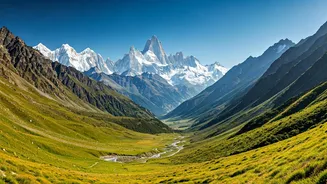
Long before 'sustainable travel' became a buzzword, the Kingdom of Bhutan was pioneering it. Nestled in the Himalayas, this small nation has built its tourism industry on a unique philosophy: 'High Value, Low Volume'. This isn't a marketing slogan; it's a national policy deeply rooted in the country's guiding development philosophy of Gross National Happiness (GNH). Unlike GDP, which measures economic output, GNH prioritizes the holistic well-being of its people and the environment. Tourism, therefore, is not designed to maximize visitor numbers but to maximize the positive impact on the country while preserving its pristine environment and vibrant culture. The goal is to attract discerning travelers who appreciate and respect what makes Bhutan so special, ensuring that the country never sacrifices its soul for tourist dollars.
Understanding the Sustainable Development Fee
The cornerstone of this model is the Sustainable Development Fee (SDF). For years, visitors paid a high all-inclusive daily tariff. Post-pandemic, Bhutan updated its policy. Now, travelers (with some exceptions for certain nationalities) pay a daily fee directly to the government. For most international tourists, this fee is set at USD 100 per adult per night. While this might seem steep, it’s crucial to understand where this money goes. It’s not a simple tourist tax; it's a direct investment in Bhutan's future. The funds support free healthcare and education for all Bhutanese citizens, the maintenance and upgrading of infrastructure, and extensive conservation efforts that keep over 70% of the country under forest cover. In essence, every visitor becomes a partner in Bhutan’s sustainable development.
The Reward: An Authentic, Uncrowded Experience
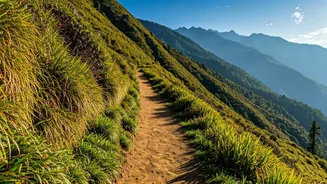
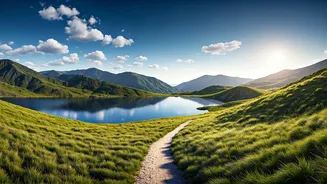
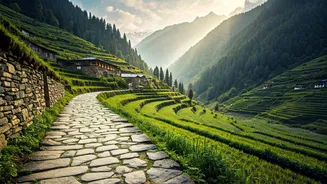
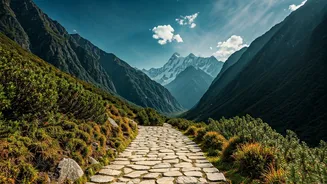
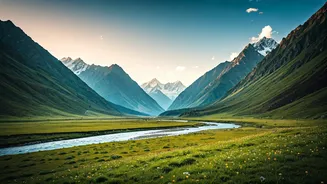
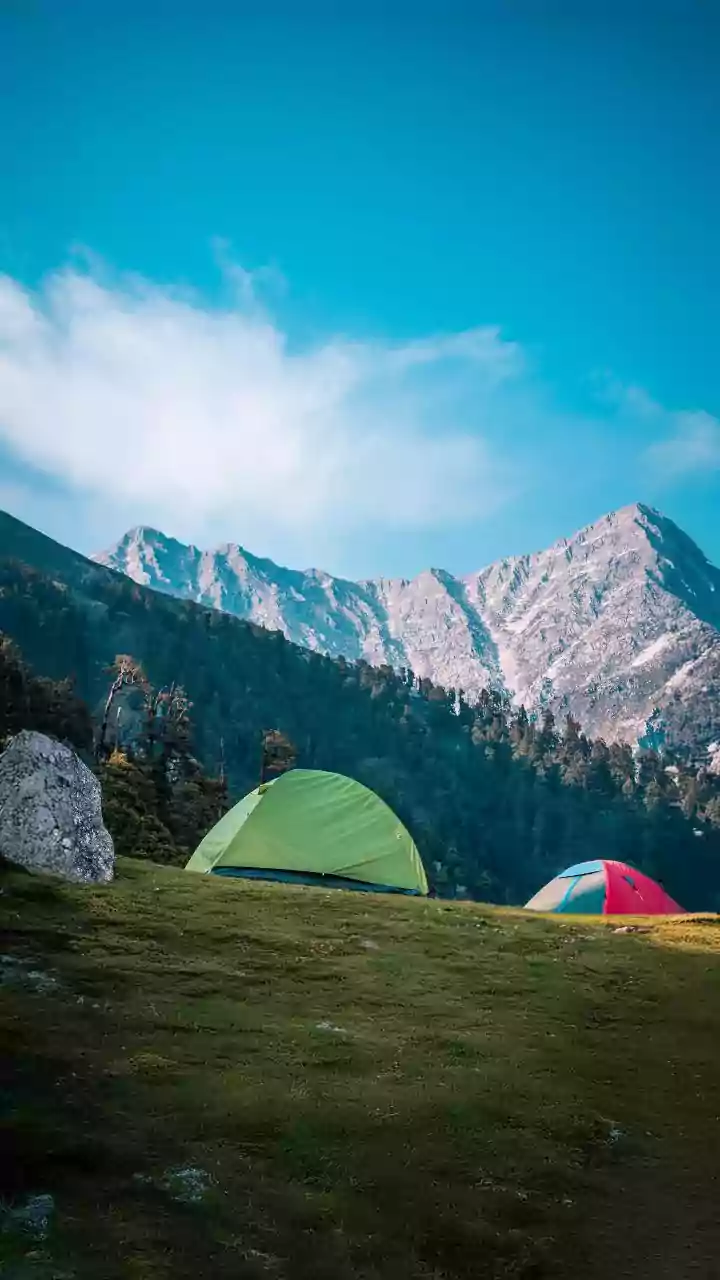
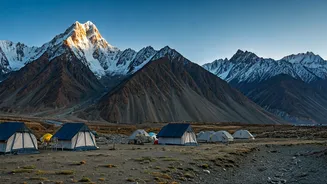
So, what does this 'high value' look like for the traveler? It means experiencing a country that has been shielded from the damaging effects of mass tourism. You won't find yourself jostling for space at sacred sites or navigating streets choked with tour buses. Instead, you'll witness the majestic Paro Taktsang (Tiger's Nest monastery) with a sense of peace and reverence. You can trek through untouched alpine meadows, meet local artisans whose traditions are thriving, not just surviving, and engage in conversations that feel genuine. The SDF naturally filters for visitors who are deeply invested in their journey, creating a more respectful and serene atmosphere for everyone. It's the ultimate trade-off: a higher financial entry point for an incomparably higher quality of experience.
More Than a Policy, It's a Philosophy in Action
Traveling in Bhutan under this model means your journey is inherently mindful. Your contribution directly supports the well-being of the local population and the preservation of the stunning natural environment you've come to see. The model encourages longer, more immersive stays, allowing for deeper connections. Instead of rushing from one highlight to the next, you have the time to learn about the intricate art of thangka painting, share a meal at a rural farmhouse, or attend a colourful tsechu (festival) alongside locals. This framework ensures that tourism remains a force for good, reinforcing cultural pride and providing sustainable livelihoods without commodifying the culture itself. It’s a powerful demonstration of how a country can welcome the world on its own terms.