







The Science of Satiety
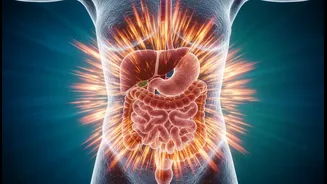
The core of the “eat slowly” argument lies in our body’s intricate communication system. It takes approximately 20 minutes for your brain to receive and process the signals from your gut that you are full. This process involves a complex interplay of hormones.
When your stomach is empty, it produces a hormone called ghrelin, which signals hunger to your brain. As you eat, your fat cells release another hormone, leptin, which signals satiety, or fullness. Fast eating can essentially outrun these signals. By consuming a large amount of food before the 20-minute mark, you can easily overeat before your brain gets the memo that you've had enough. Slowing down provides the necessary time for these hormonal signals, like cholecystokinin (CCK) and glucagon-like peptide-1 (GLP-1), to kick in, promoting a feeling of fullness and helping to regulate appetite.
From Pace to Portions
This hormonal lag time has a direct impact on calorie consumption. Multiple studies have demonstrated a strong link between eating speed and the amount of food consumed in a single meal. Slower eaters tend to consume fewer calories and report greater feelings of fullness compared to their speedy counterparts. One Japanese study found that individuals who ate slowly were significantly less likely to be obese compared to those who ate quickly. The logic is straightforward: if you feel full sooner, you are more likely to stop eating, leading to a smaller portion size and reduced calorie intake for that meal. This isn't about willpower, but about physiology. By giving your body the time it needs to register satiety, you naturally moderate your intake.
Weight vs. Body Composition
While the link between eating speed and short-term calorie intake is clear, the long-term impact on body composition is more nuanced. Body composition refers to the proportion of fat, muscle, and bone in your body, which is a more telling indicator of health than weight alone. Research shows that faster eaters tend to have a higher Body Mass Index (BMI) and more visceral fat—the dangerous fat surrounding your organs. One meta-analysis of multiple studies confirmed that a faster eating speed is associated with a higher BMI. However, it's crucial to understand this is a correlation, not necessarily direct causation. Fast eating is often part of a cluster of habits, and it's difficult to isolate its precise, independent effect on fat loss. While slowing down may contribute to a caloric deficit that helps manage weight, it's not a guaranteed method for transforming body composition on its own.
Beyond Speed: The Rise of Mindful Eating
This is why the conversation is shifting from just eating speed to the broader concept of mindful eating. Mindful eating isn't just about slowing down; it's about being fully present during your meal. It involves paying attention to the flavours, textures, and smells of your food, as well as your body's hunger and fullness cues, without distraction. This practice helps you differentiate between physical hunger and emotional triggers for eating, like stress or boredom. Mindful eating encourages a healthier relationship with food, moving the focus from restriction to awareness. By turning off the TV, putting away your phone, and truly engaging with your meal, you naturally slow down and improve digestion, but you also gain a deeper understanding of your body's needs.
Why One Habit Is Never Enough
The headline's caution is wise: no single habit should dominate weight discussions. Hyper-focusing on eating speed can create a sense of failure if it doesn't produce dramatic results. Sustainable health and a healthy body composition are the result of a holistic approach. Factors like the nutritional quality of your food, regular physical activity, adequate sleep, and stress management are all critical pieces of the puzzle. Eating slowly is a valuable tool, especially for improving appetite regulation and reducing overconsumption at meals. However, it's one component of a larger lifestyle. For example, a person who eats slowly but consumes a diet high in processed foods and remains sedentary is unlikely to see significant changes in their body composition. True, lasting change comes from building a collection of healthy habits that work together, not from searching for a single, magic-bullet solution.