




The Two Faces of Detection
AI image detectors primarily work in two ways. The first is forensic analysis, where the software scans an image for subtle clues and artifacts left behind by the generation process. These are often pixel-level patterns or statistical anomalies invisible
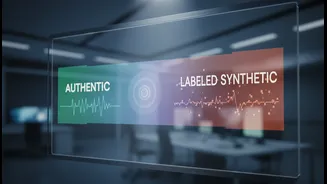
to the human eye but characteristic of a machine's handiwork. The second, and increasingly important, method involves looking for a digital birth certificate. Tech companies like Google and OpenAI are now embedding invisible watermarks and metadata into the images their models create. Systems like Google's SynthID and the open C2PA standard act as provenance signals, providing a way to verify an image's origin directly from the file itself.
An Inevitable Arms Race
Despite these advances, no detector is foolproof. The accuracy can be impressive in controlled tests, with some tools claiming over 98% success. However, in the real world, performance often degrades. The reason is simple: it's a constant cat-and-mouse game. As detection algorithms get better, so do the AI models generating the images. Furthermore, simple actions like taking a screenshot, heavy image compression on social media, or basic editing can strip away metadata or distort the artifacts that detectors rely on. This means an image that is easily identifiable as AI at its source can become ambiguous after being shared a few times online, leading to both false positives and false negatives.
A Tool, Not a Truth Machine
The key is to reframe the purpose of these detectors. Rather than seeing them as an absolute authority on what is real or fake, it's more productive to view them as a powerful signal for human review. For news organizations or content platforms, a high AI probability score doesn't have to mean automatic deletion; it can mean flagging the content for a human fact-checker. This approach acknowledges the technology's limitations while still leveraging its strengths to manage the overwhelming volume of content. It’s a shift from seeking automated certainty to embracing augmented intelligence, where the tool supports, rather than replaces, human judgment.
Building Reputations in the AI Era
For professional creators—photographers, artists, and designers—these tools offer a way to protect and enhance their reputations. In an environment where their work could be devalued by a flood of cheap AI knock-offs, provenance tools become a mark of authenticity. By embracing standards like C2PA, creators can attach a verifiable, tamper-evident record to their work, proving it's human-made. This isn't about shunning AI as a tool, but about providing transparency. It allows artists who blend AI with their own skills to be clear about their process, and it helps those who work without AI to certify their craft. This helps build trust with audiences and clients who increasingly value genuine human creativity.
The Path to Digital Trust
Ultimately, AI image detectors contribute most when they are part of a larger ecosystem of trust. This includes the proactive watermarking by AI companies and the adoption of provenance standards by creators. It also requires a more critical approach from consumers. The absence of a watermark or a low AI-detection score isn't a guarantee of authenticity. Instead of relying on a single tool for a simple answer, the best approach is a layered one: using detectors as a first pass, checking for provenance, and applying critical thinking and media literacy skills. This combination allows us to navigate the complexities of AI-generated media without demanding an impossible standard of automated certainty.