




That unmistakable, citrus-fresh aroma isn't just for fancy Thai restaurants. Lemongrass, a staple in Southeast Asian kitchens, is a wonderfully versatile herb that can bring a touch of the exotic to your everyday cooking.
An Introduction to Lemongrass
At first glance, lemongrass might
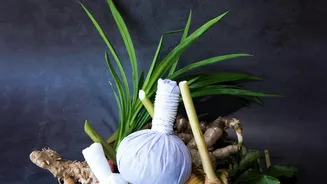
look like a tough, woody spring onion or a slender leek. It’s a stalky grass native to tropical regions like India and Southeast Asia. Its magic lies in its unique flavour profile: a complex, refreshing blend of lemon and mint, but without the sharp acidity of a real lemon. This fragrant quality is thanks to its essential oils, which are released when the stalk is bruised, cut, or heated. While central to Thai and Vietnamese cuisine, its bright notes are now being embraced globally in everything from curries to cocktails. It’s a flavour that is both invigorating and soothing, making it incredibly adaptable in the kitchen.
How to Brew Calming Lemongrass Tea
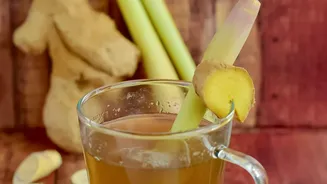
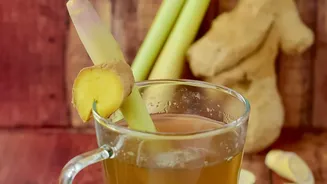
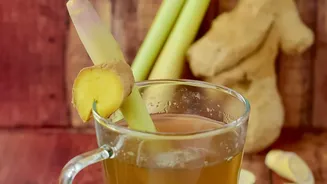
One of the simplest ways to enjoy this herb is by brewing it into a tea. Known for its calming properties, a warm cup of lemongrass tea can be a perfect way to unwind. To make it, you only need a few fresh stalks. First, trim the root ends and any dry outer leaves. Then, chop the stalks into one- or two-inch pieces and give them a good smash with the side of a knife or a rolling pin to help release their aromatic oils. Place the bruised stalks in a pot of boiling water, then reduce the heat and let it simmer for about 10 minutes. You can also add thin slices of ginger for an extra layer of warmth. After simmering, simply strain the liquid into a cup. It’s delightful on its own or with a touch of honey to sweeten.
A Zesty Marinade for Meats and More
On the savoury side, lemongrass creates a fantastic marinade that works wonders on chicken, pork, shrimp, and even tofu. The herb infuses the protein with a fragrant, citrusy depth that stands up well to grilling, baking, or pan-searing. To create a basic marinade, you’ll want to use the most tender part of the stalk—the bottom four inches. After peeling the tough outer layers, mince this tender part very finely. Combine the minced lemongrass in a bowl with other aromatic ingredients like grated garlic, ginger, shallots, and a splash of lime juice. For a classic Southeast Asian flavour, add soy sauce and fish sauce. A little honey or brown sugar can help balance the flavours and create a beautiful caramelization when cooked. Let your protein marinate for at least 30 minutes to absorb all that wonderful flavour.
Tips for Buying and Storing
When shopping for lemongrass, look for stalks that are firm, heavy for their size, and greenish-yellow, avoiding any that look dry, brown, or brittle. Fresh lemongrass will keep in your refrigerator's vegetable drawer for up to two weeks if wrapped properly. For longer-term storage, the freezer is your best friend. You can freeze the stalks whole or, even better, pre-chopped in an airtight container or freezer bag. Freezing not only preserves the lemongrass for months but also helps break down its tough fibres, making it easier to prep when you’re ready to cook.
Beyond Tea and Marinades
Don't stop at just teas and marinades. Lemongrass is a cornerstone ingredient in many iconic dishes. It provides the signature fresh note in Thai soups like Tom Yum and Tom Kha Gai. Finely chopped, it adds a bright kick to stirfries and a fragrant complexity to green and red curry pastes. The woody upper parts of the stalk, which are too tough to eat, can still be used to infuse flavour into broths, stocks, or even simple syrups for cocktails—just be sure to remove them before serving. It can even be used to flavour desserts, like crème brûlée or sorbet.