

The New Definition of a 'Premium' Home
For years, luxury in Indian homes was about visible opulence—heavy furniture, ornate carvings, and glossy finishes. Today, the concept of a 'premium' interior has been redefined. It's less about lavish decoration and more about a refined living experience.
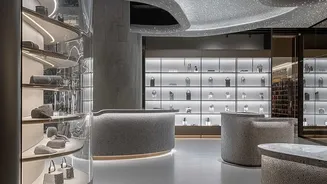
This new approach champions high-quality materials, superior craftsmanship, and thoughtful details that contribute to overall comfort and elegance. The focus has moved towards finishes and surfaces; the texture of a wall, the feel of a countertop, and the way light interacts with a metallic accent are now as important as the furniture itself. Homeowners are seeking an environment that feels personal and sophisticated, where luxury is experienced through comfort, convenience, and a sense of calm.
Functionality Comes First
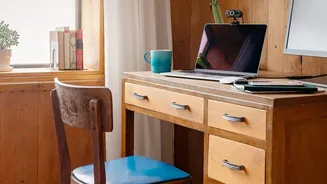
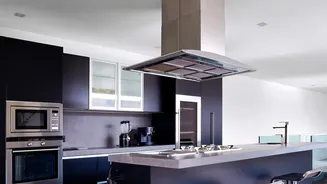
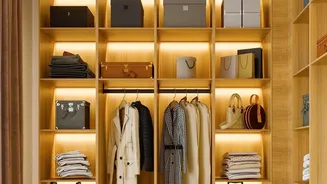
The modern Indian apartment has to be a multitasking space. With the rise of hybrid work culture, homes must now serve as offices, classrooms, and places of relaxation. This has put immense pressure on designers to maximize every square foot. As a result, functionality is no longer an afterthought but the very foundation of good design. This translates into smart space planning with multi-purpose rooms, flexible layouts using sliding partitions, and an obsession with clever storage. Well-planned cabinetry, floor-to-ceiling wardrobes, and multi-functional furniture like sofa-beds or dining tables that double as workspaces are now standard expectations. The goal is to create an uncluttered, efficient environment that can adapt to the varied routines of a modern family.
Materials and Palettes That Feel Authentic
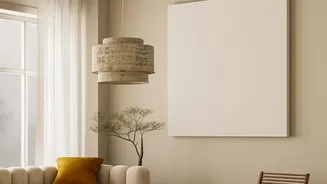
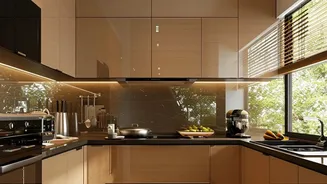
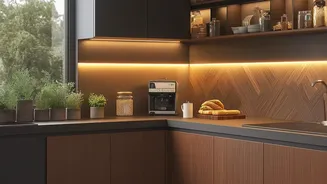
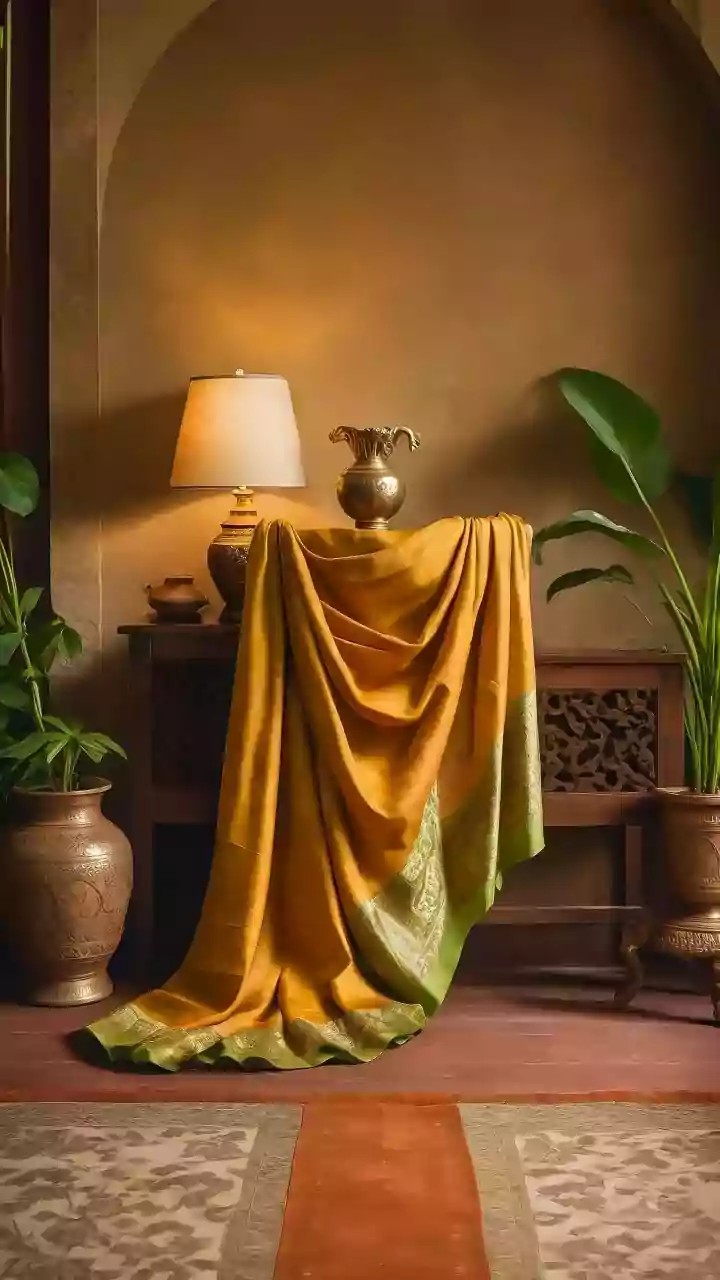
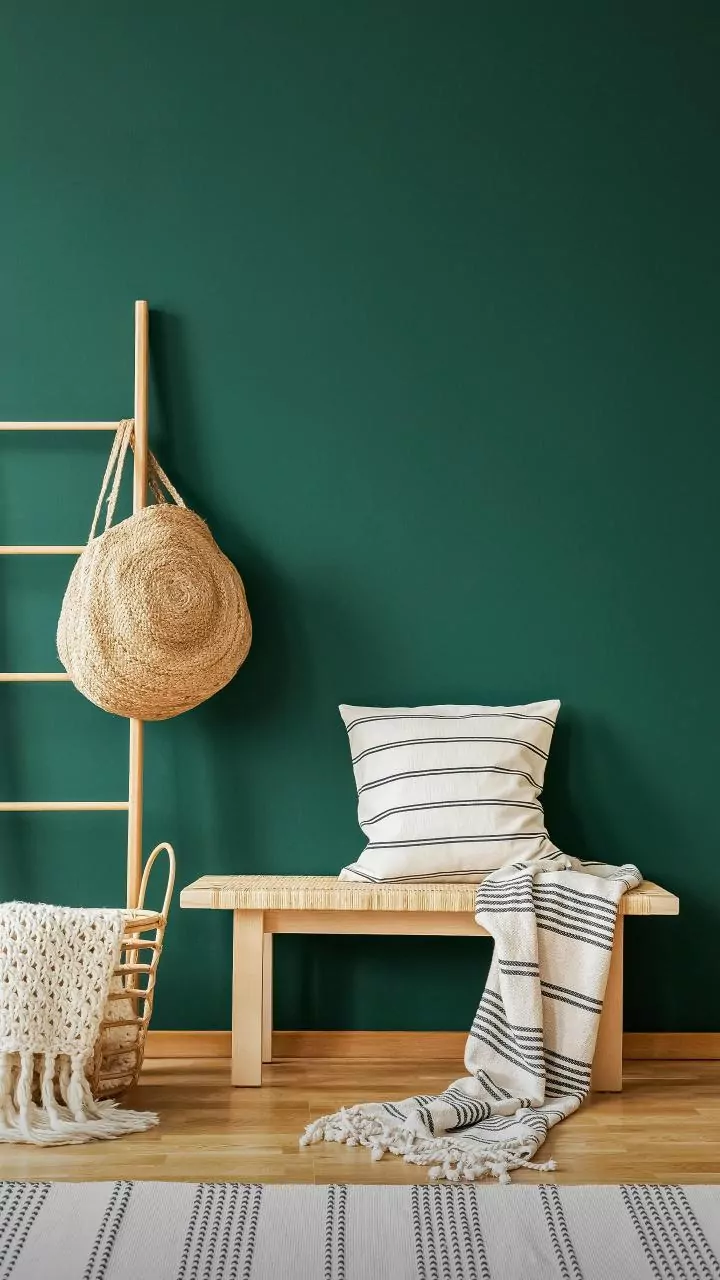
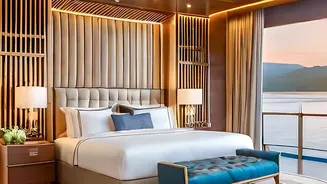
The aesthetic of the premium-functional apartment is rooted in authenticity and warmth. The cold, generic greys and stark whites of the last decade are being replaced by earthier, more grounded colour palettes. Tones like terracotta, sage green, warm off-whites, and muted mustards create a serene and welcoming atmosphere. These colours are often paired with natural materials that add texture and character. Wood, in particular, brings an organic warmth, with teak and walnut finishes being popular choices for furniture and panels. Brushed brass for fixtures and handles adds a soft, golden glow without being overly shiny. This blend of natural colours and textures results in a space that feels both contemporary and deeply connected to Indian sensibilities.
The Drivers of This Design Shift
Several factors are fuelling this evolution in Indian home design. The work-from-home phenomenon is a major catalyst, forcing a re-evaluation of how homes function. With more time spent indoors, homeowners are placing a higher value on comfort, well-being, and dedicated personal spaces like studies and larger balconies. There's also a growing appreciation for sustainability, leading to choices like eco-friendly materials and designs that maximize natural light and ventilation. Furthermore, global design exposure through social media has made homeowners more discerning. They now seek personalised spaces that reflect their identity, moving away from catalogue-perfect looks towards interiors that feel curated and unique. This shift signifies a desire for a higher quality of life, where the home is a key player in personal wellness.
Technology Integrated Seamlessly
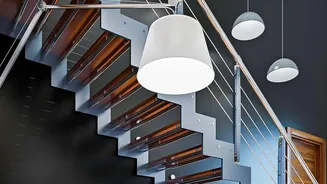
In these modern homes, technology is not a gimmick but an integrated layer of functionality. The focus is on smart solutions that enhance comfort and efficiency. This includes layered lighting systems with adjustable brightness and colour to suit different moods and tasks, automated curtains, and energy-efficient appliances. For those working from home, features like sound-dampening windows, ample plug points, and strong internet connectivity are becoming non-negotiable. The most successful designs weave technology into the background, allowing it to support daily life without dominating the aesthetic, ensuring the home remains a place of comfort and refuge.