
The Dawn of a Softer Silhouette
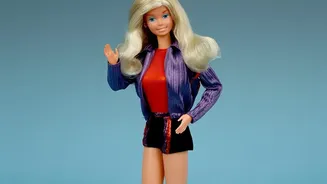
The defining look of the 1970s was all about movement and texture. Hairstyles like the shag and the iconic feathered cut rejected the heavily sprayed, immovable styles that came before them. Instead of geometric precision, the focus shifted to soft, organic
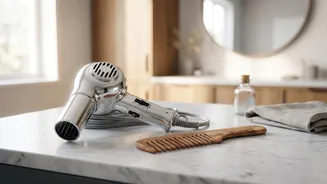
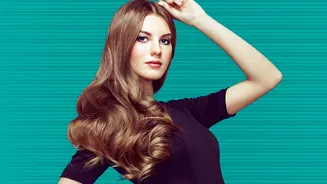
shapes. The feathered cut, in particular, was characterized by long, sweeping layers that were brushed back and away from the face, creating a 'winged' effect. This technique, often achieved with a round brush and blow dryer, resulted in a look that was airy, bouncy, and full of life—a stark contrast to the stiffly coiffed looks of the previous decade.
A Symbol of Freedom and Individuality
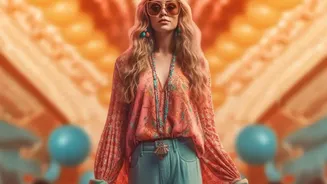
The shift in hairstyles was deeply connected to the cultural currents of the time. The 1970s was a decade of self-expression, influenced by the tail end of the hippie movement and a growing desire for more natural aesthetics. Women were moving away from styles that required constant upkeep and salon visits. Feathered layers and soft volume offered a look that felt both glamorous and effortlessly natural. This hairstyle perfectly captured the era’s spirit: it was relaxed, confident, and celebrated individuality. The ability to style it at home with newly accessible tools like blow dryers also democratized fashion, allowing more women to participate in the trend.
The Farrah Fawcett Phenomenon
No discussion of 70s hair is complete without mentioning Farrah Fawcett. When she debuted her iconic feathered hairstyle on the television show 'Charlie's Angels' in 1976, it caused a global sensation. Her voluminous, sun-kissed layers became the most requested haircut in salons across the world, a phenomenon often compared to 'The Rachel' of the 1990s. Created by stylist Allen Edwards, the look was achieved by cutting long layers and using a blow dryer and round brush to flip the hair back, creating its signature wings. Fawcett's poster, featuring her in a red bathing suit with her famous hair, sold millions of copies and cemented her status as the ultimate 70s hair icon.
Beyond the 'Farrah Flip'
While Farrah Fawcett was its most famous ambassador, the trend of soft, layered hair manifested in various forms. The shag, popularized by Jane Fonda in the film 'Klute', offered an edgier, choppier take on layers with volume at the crown and wispy ends. This unisex style was also worn by rock stars like Joan Jett and Mick Jagger. For those with shorter hair, the 'wedge' haircut, made famous by Olympic figure skater Dorothy Hamill in 1976, offered a chic, sporty alternative. This bowl-like cut featured precise, angled layers that created a wedge shape, offering freedom of movement that was both practical and fashionable.
The Lasting Legacy of Layers
The influence of 70s feathered hair can still be seen today. The emphasis on layers that frame the face, create volume, and add movement is a foundational technique in modern hairstyling. Trends like curtain bangs, wolf cuts, and modern shags all borrow elements from their 70s predecessors. These styles continue to be popular because they offer a flattering, versatile look that can be adapted to various hair lengths and textures. The 70s taught us that hair didn't have to be rigid to be beautiful; it could be soft, personal, and free-flowing—a principle that continues to resonate in beauty standards today.