



Watering: Go Deep, Not Just Often
During hot months, container plants lose moisture rapidly through evaporation and transpiration. The key is to water deeply and effectively. Water early in the morning before temperatures rise, which allows the water to soak into the soil and reach the roots
with less evaporation. When you water, do so thoroughly until you see it drain from the bottom of the pot; a light sprinkle won't reach the root zone. On exceptionally hot days, your plants might need watering twice, once in the morning and again in the early evening. If the soil has become very dry and pulls away from the sides of the pot, it may repel water. In this case, you can submerge the entire pot in a bucket of water for 15-30 minutes to fully rehydrate the soil.
The Right Potting Mix and Mulch
The foundation for a heat-resilient plant is its soil. Use a high-quality potting mix that retains moisture but also drains well; mixes containing peat or coco coir are excellent for water retention. To protect the soil from the sun's direct rays, apply a layer of mulch about 2-3 centimetres deep on top of the soil. Mulch acts as an insulating barrier, keeping the roots cooler and significantly reducing water evaporation. Materials like bark chips, expanded clay pebbles, or even straw can work well for balcony containers. This simple step means you'll have to water less frequently and your plant's roots will be shielded from extreme heat stress.
Choose Heat-Tolerant Plants
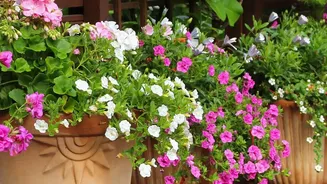
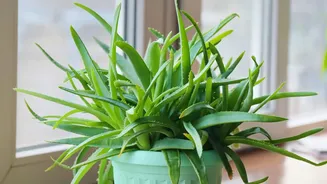
Not all plants are created equal when it comes to handling intense heat, especially in the Indian climate. Opt for hardy, heat-tolerant species that are adapted to thrive in sunny and hot conditions. Great choices for a sunny Indian balcony include Bougainvillea, Hibiscus, Lantana, Portulaca (Moss Rose), and Zinnias. Succulents like Aloe Vera and Jade Plant are also excellent low-maintenance options as they store water in their leaves. For fragrant blooms, consider heat-loving varieties of Jasmine. Choosing the right 'green warriors' from the start will save you a lot of effort and potential heartbreak.
Provide Strategic Shade
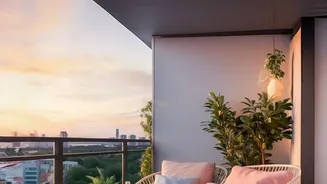
Even sun-loving plants can get scorched during the peak afternoon heat on an urban balcony, which is often intensified by reflected heat from walls and windows. Provide some form of shade during the hottest part of the day, typically between 12 pm and 5 pm. This can be achieved by moving smaller pots to a more sheltered spot temporarily or by using a green shade cloth, which can cut down sunlight intensity without blocking it completely. Another effective strategy is to group your pots together. This creates a cooler microclimate as the plants shade each other, reducing overall water loss and stress.
Manage Wind and Airflow
Balconies, especially on higher floors, can be very windy. Hot, dry winds can desiccate plants, causing their leaves to lose moisture much faster than they can absorb it from the soil. This can lead to windburn, which looks like crispy, brown leaf edges. To combat this, you can create a windbreak using bamboo screens or even position your larger, tougher plants to shelter the more delicate ones. Securing tall plants to a trellis can also prevent them from being damaged on blustery days.
Balcony Safety and Etiquette
Caring for your plants safely is crucial in an apartment setting. Always ensure your pots are secure and won't be a hazard during strong winds; this is especially important for planters on railings or hanging baskets. Be mindful of water runoff. Use saucers or trays under every pot to catch excess water and prevent it from dripping onto your neighbours' balconies below. Empty these saucers after about 30 minutes so your plants aren't sitting in stagnant water, which can cause root rot. Finally, be aware of your balcony's weight limit. Opt for lightweight containers and potting mix, and distribute heavier pots closer to load-bearing walls if possible.