


Yoga Builds Flexibility—You Don't Need It to Start
One of the biggest misconceptions that stops people from rolling out a mat is the belief that you need to be able to touch your toes just to begin. The truth is the opposite: yoga is the practice that gets you there. Flexibility is a result of yoga, not
a prerequisite. Thinking you are too stiff for yoga is like thinking you are too dirty to take a shower. The practice is designed to meet your body exactly where it is today. Gentle, consistent practice gradually lengthens muscle fibres, loosens stiff joints, and increases your overall range of motion. The most noticeable progress often comes to those who start with the most tightness, making the journey incredibly rewarding.
The Gentle Power of Daily Practice
When it comes to flexibility, consistency triumphs over intensity. A short, 10-to-15-minute daily yoga session can be far more effective than a single, strenuous weekly class. Regular practice allows your muscles and connective tissues to adapt and lengthen safely, reducing the risk of injury. Daily movement also boosts blood circulation, which helps deliver more oxygen to your muscles and release tension. This approach transforms flexibility training from a daunting task into a manageable and enjoyable daily ritual. It becomes less about pushing your limits and more about carving out a few moments of 'me-time' that also happen to have profound physical benefits.
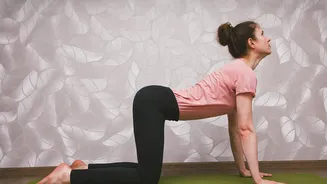
Marjaryasana-Bitilasana (Cat-Cow Pose)
This is a gentle, dynamic sequence perfect for warming up the spine. Start on your hands and knees, with your wrists under your shoulders and knees under your hips. As you inhale, drop your belly, lift your chest and tailbone, and look up (Cow Pose). As you exhale, round your spine toward the ceiling, tucking your chin to your chest (Cat Pose). Flowing between these two poses increases spinal mobility and helps relieve tension in the back and neck. It's a simple, rhythmic movement that connects your breath to your body, setting a calm and focused tone for your practice.
Balasana (Child's Pose)
Child's Pose is a foundational resting posture that offers a gentle stretch for the entire back, hips, and thighs. From your hands and knees, sit back so your glutes rest on your heels. You can keep your knees together or take them wide apart. Fold your torso forward, resting your forehead on the mat. Your arms can be stretched out in front of you or resting alongside your body. This pose is not only a great stretch but also a way to calm the nervous system, making it a perfect go-to whenever you need a moment of rest during your practice.
Bhujangasana (Cobra Pose)
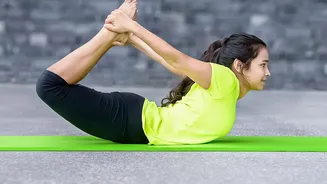
For those who spend a lot of time sitting, Cobra Pose is an excellent gentle backbend to counteract slouching posture. Lie on your stomach with your hands under your shoulders. Press the tops of your feet into the floor. On an inhale, gently lift your head, chest, and shoulders off the floor, keeping a slight bend in your elbows. This is often called 'Baby Cobra'. The goal is to use your back muscles to lift, not just your arms. This asana helps increase spinal flexibility and opens up the chest and shoulders.
Paschimottanasana (Seated Forward Bend)
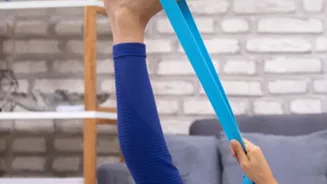
This classic seated pose is a powerful stretch for the entire back of the body, especially the hamstrings. Sit on the floor with your legs extended in front of you. It's perfectly fine to keep a generous bend in your knees, especially as a beginner. Inhale to lengthen your spine, and as you exhale, hinge at your hips to fold forward. Don't worry about reaching your toes; simply let your hands rest on your shins or thighs. Using a strap or towel around your feet can also help make the pose more accessible.
Trikonasana (Triangle Pose)
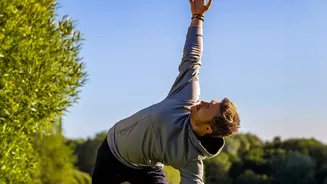
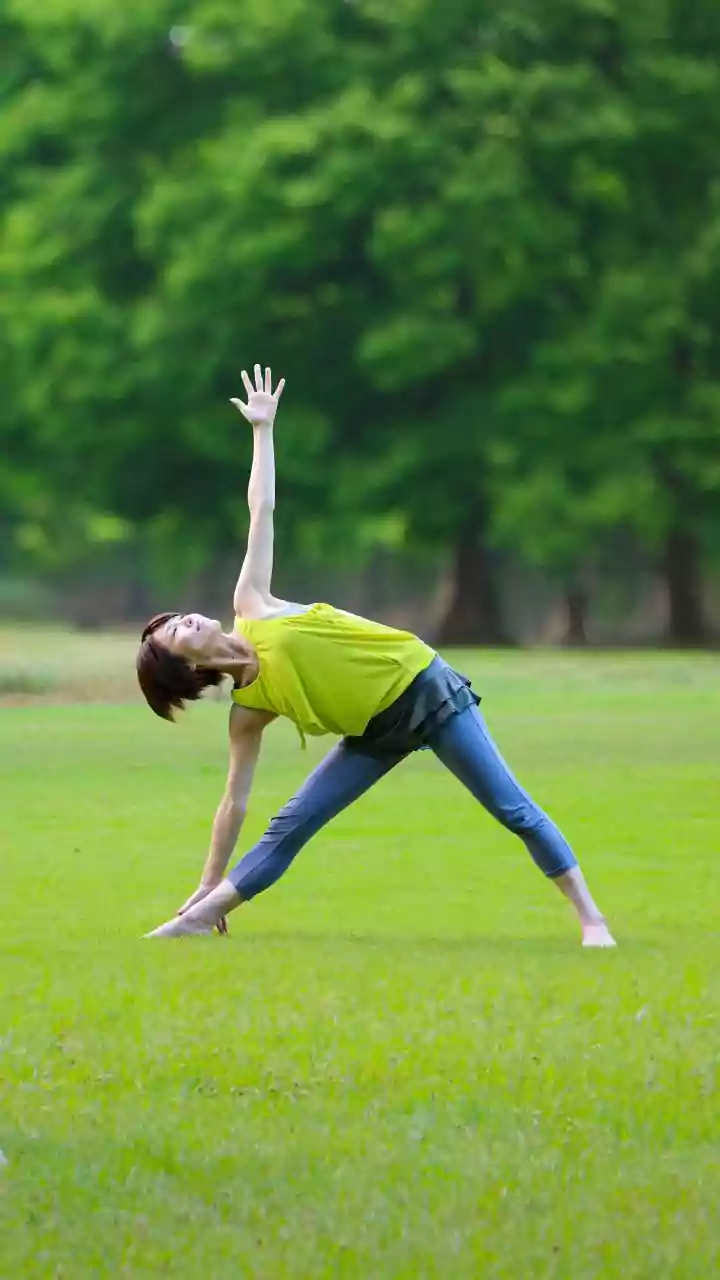
Triangle Pose is a fantastic standing posture that stretches the hamstrings, hips, and the sides of the torso. Stand with your feet wide apart. Turn your right foot out 90 degrees and your left foot in slightly. Extend your arms parallel to the floor, then hinge at your right hip, reaching forward before bringing your right hand down to your shin or a block. Extend your left arm toward the ceiling. The key is to lengthen both sides of your torso, not to see how far down you can reach. This pose improves balance and stability along with flexibility.