




A Signal from Below
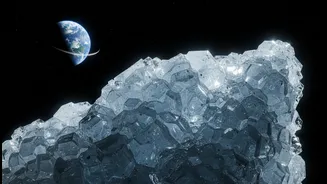
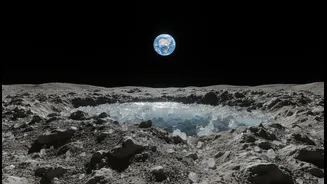
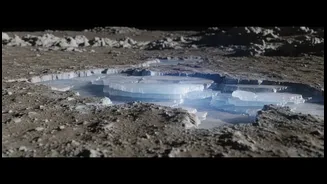
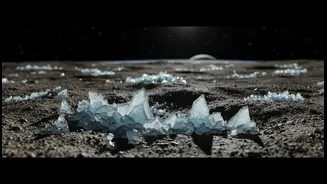
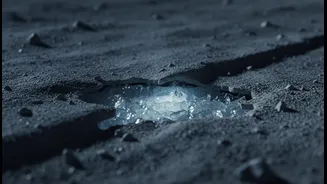
Scientists from the Physical Research Laboratory in Ahmedabad have analysed data from the Chandrayaan-2 orbiter and found strong indications of subsurface ice. The evidence points to ice buried beneath the floors of extremely cold and dark craters near
the Moon's south pole. These areas, known as "doubly shadowed craters," are located inside larger craters that are already permanently shielded from sunlight, creating some of the coldest conditions in the solar system where ice can be preserved for billions of years. One 1.1-kilometre-wide crater inside the larger Faustini crater shows particularly strong signs, according to ISRO.
The Radar That Sees Through Dust
This discovery was made possible by a specialised instrument on the Chandrayaan-2 orbiter: the Dual-Frequency Synthetic Aperture Radar, or DFSAR. Unlike a camera, DFSAR sends microwave signals toward the lunar surface and analyses how they bounce back. By using two different frequencies, L-band and S-band, it can distinguish between signals reflecting off rough, rocky terrain and those scattered by buried materials like ice. This advanced radar polarimetric analysis allowed scientists to essentially peel back the top layer of lunar dust and glimpse what lies beneath, identifying a unique signature consistent with thick deposits of ice.
A Legacy of Perseverance
The finding is a powerful testament to the longevity and success of the Chandrayaan-2 orbiter. While the mission is often remembered for the hard landing of the Vikram lander in 2019, the orbiter has been silently and successfully circling the Moon ever since. Its eight payloads, including the game-changing DFSAR, continue to collect invaluable data, cementing India's role as a major player in lunar science. This discovery proves the enduring value of the mission, turning a perceived setback into a long-term scientific triumph that is now providing a roadmap for future exploration.
The Ultimate Lunar Resource
The confirmation of subsurface ice is more than just a scientific curiosity; it's a critical enabler for the future of human space exploration. Water is considered the most vital resource for establishing a long-term presence on the Moon. It can be used for drinking and growing food, but more importantly, it can be split into hydrogen and oxygen. These components provide breathable air for astronauts and can be used to create rocket fuel. Finding a large, stable source of ice buried on the Moon could turn it into a refuelling station for deeper space missions, including trips to Mars.
Pioneering the Path Forward
This discovery by ISRO and Indian scientists adds a crucial piece to the global puzzle of lunar resources. Subsurface ice is more protected from the harsh lunar environment than surface ice, making it a more stable and potentially vast reservoir. As nations like the United States, China, and Russia plan their own missions to the lunar south pole, this Indian data helps identify the most promising locations for future landings and resource utilisation. It strengthens the scientific case for targeting these polar craters and demonstrates India's leadership in providing foundational knowledge for humanity's return to the Moon.