
The Classic Alleppey Houseboat Dream
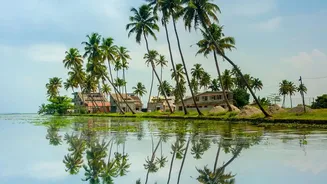
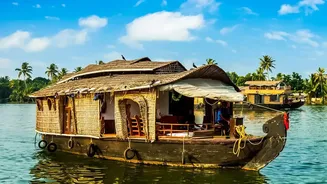
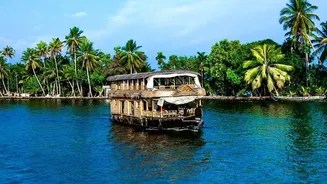
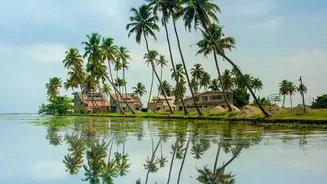
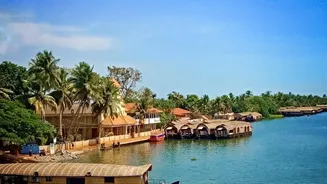
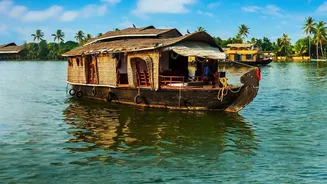
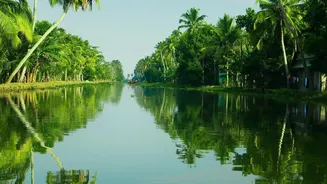
Let’s be clear: the appeal of an Alleppey houseboat is powerful and undeniable. These floating hotels, known as kettuvallams, offer a unique form of passive luxury. You check in, put your feet up, and watch the wide, cinematic expanse of Vembanad Lake
glide by. For many, this is the quintessential backwater holiday—a comfortable, all-inclusive package with meals prepared onboard as you drift along major water highways. It’s an iconic, photograph-friendly experience that has defined Kerala tourism for a generation. If your goal is to relax in comfort on a large vessel and see the famous, bustling side of the backwaters, Alleppey delivers exactly that.
The Crowded Reality of the Main Canals
However, the very popularity of Alleppey is also its biggest challenge. During peak season, the main canals can feel less like a tranquil escape and more like a floating traffic jam. With over a thousand houseboats operating—many illegally—the waterways have become congested. These large boats are restricted to the wide, deep channels, meaning they all follow a similar, well-trodden tourist circuit. Furthermore, the cruising time is often limited. Most houseboats are required to dock by early evening, typically around 5 PM, in designated areas that can be crowded and noisy, diminishing the magical overnight experience many hope for. The environmental strain is also significant, with studies pointing to pollution from waste and fuel spillage impacting the fragile ecosystem.
Enter Munroe Island: A World Away
About 80 kilometres south of Alleppey lies Munroe Island, or Mundrothuruthu, a cluster of eight small islands at the confluence of the Kallada River and Ashtamudi Lake. This is a different world altogether. Quieter, less commercialised, and deeply connected to village life, Munroe offers a backwater experience that feels more like a discovery than a tour. The pace is slower, the atmosphere more serene, and the focus shifts from passive observation to active immersion. Instead of large houseboats, the primary mode of transport here is the humble country canoe.
The Homestay Advantage: Authentic Immersion
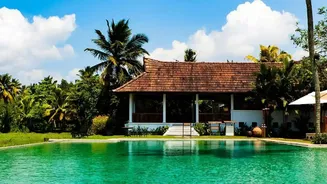
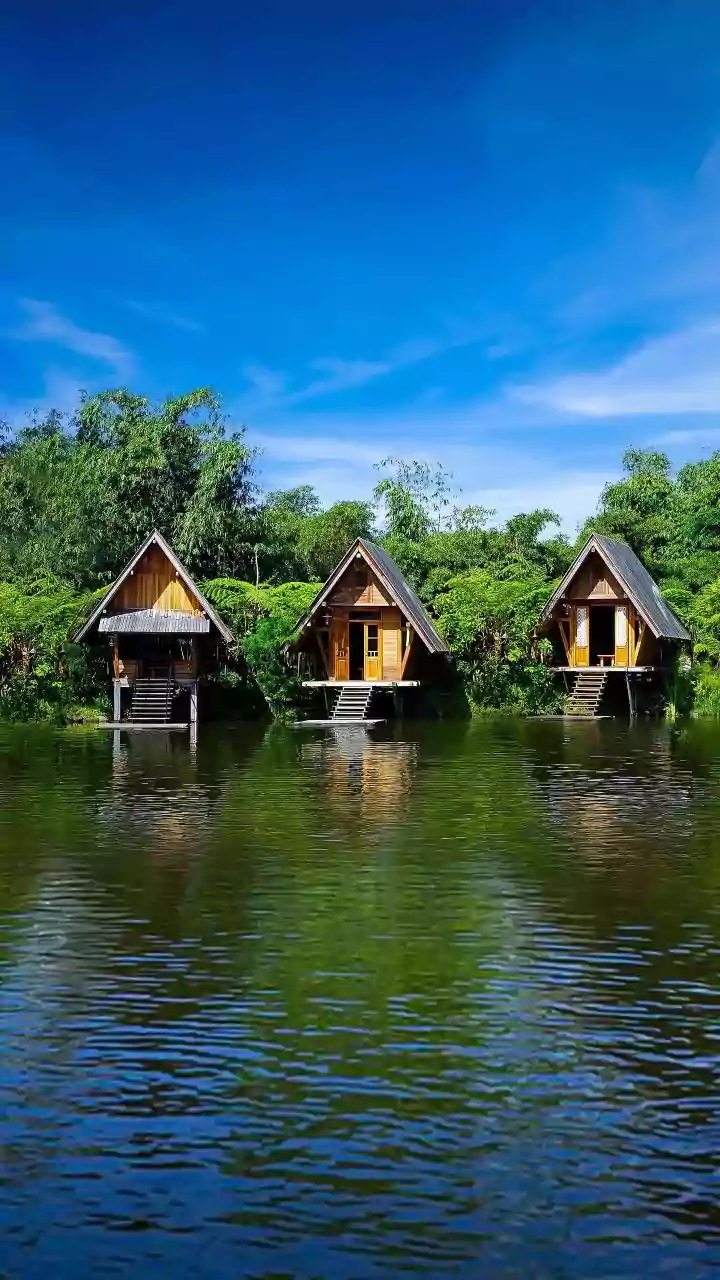
The core of the Munroe Island experience is the homestay. Instead of staying on a boat with a transient crew, you live with a local family. This offers an unparalleled cultural exchange. You eat delicious, home-cooked Keralan meals, learn about the local way of life directly from your hosts, and gain insights that are impossible to find on a commercial cruise. These stays are not just about accommodation; they are about connection. Families often arrange the canoe tours and village walks themselves, ensuring your tourism money directly supports the community you are visiting. It’s a more personal, grounded, and rewarding way to travel.
Canoe Tours: Exploring the Hidden Backwaters
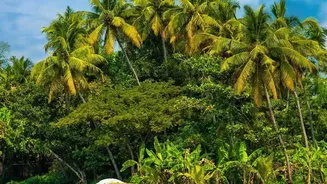
While houseboats are confined to the backwater 'highways', canoes can navigate the intricate network of narrow, winding canals that are the true lifelines of the region. Paddling through these shaded waterways, you glide under low stone bridges and past homes where daily life unfolds on the water’s edge. You’ll see fishermen casting their nets, artisans weaving coir from coconut husks, and children playing along the banks. This is the intimate, up-close view of the backwaters that many travellers seek but often miss in Alleppey. It’s a peaceful, eco-friendly way to explore, with the only sounds being the paddle slicing through the water and the birds in the lush canopy above.
The 'Smart' Choice for the Conscious Traveller
So, is Munroe Island definitively better? The 'smart' choice depends entirely on what you seek. If you want the iconic, leisurely cruise in a comfortable floating hotel, Alleppey remains the go-to. But if you are a traveller who values authenticity, cultural interaction, and a quieter, more sustainable footprint, Munroe Island is the clear winner. It offers a chance to see a more preserved version of backwater life. However, it's important to visit responsibly. Munroe Island faces its own ecological threats, including subsidence and the effects of climate change, which has led some to call it a 'sinking island'. Choosing a homestay and travelling with care ensures you are part of a more sustainable tourism model for this fragile, beautiful place.