



The Core Concept: Wet and Dry Zones
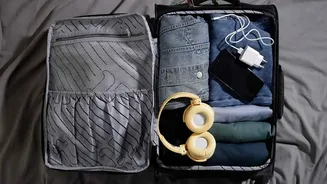
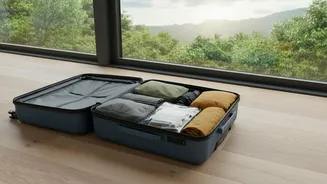
The secret to successful monsoon packing is not just what you pack, but how you organise it. Think of your luggage in terms of zones. Your 'dry zone' is the protected core of your bag, containing clean clothes, electronics, and important documents. The 'wet
zone' is a dedicated space for damp or dirty items. This can be an external pocket on your backpack or, even better, a separate waterproof 'dry bag' kept inside your main luggage. When you come in from a downpour, your soaked raincoat, muddy sandals, or damp towel go directly into the wet zone, never mixing with your clean, dry belongings. This simple system prevents moisture and musty smells from spreading, keeping the majority of your items fresh and ready to use. Pack a few extra zip-lock bags or reusable plastic pouches; they are invaluable for quickly protecting a phone, wallet, or passport during a sudden shower.
Fabric First: Your Clothing Strategy
During the monsoon, fabric choice is everything. Cotton, while comfortable on dry days, acts like a sponge in high humidity, absorbing moisture and taking hours, sometimes days, to dry. Instead, build your travel wardrobe around quick-drying synthetic fabrics. Polyester, nylon, and rayon are excellent choices because they repel water and dry incredibly fast, often within an hour or two even in a humid hotel room. Look for polyester blends for shirts and trousers, as they hold their shape and don't cling when damp. Rayon offers a soft feel and drapes well, making it a stylish yet practical option. Pack fewer items, but make sure they are versatile, dark-coloured (to hide mud splashes), and made from these high-performance materials. This allows you to wash clothes in the sink and have them dry by morning, significantly lightening your packing load.
Footwear: Your First Line of Defence
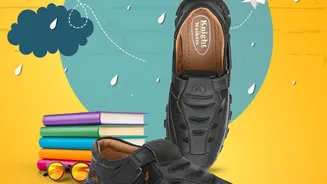
The wrong shoes can ruin a monsoon trip, leading to discomfort, slips, and soggy feet that never seem to dry. Avoid canvas sneakers and leather shoes, which absorb water and fall apart. Your primary footwear should have two key features: excellent grip for slippery surfaces and water-friendly, quick-drying materials. Rubber sandals with straps (often called floaters), waterproof trekking sandals, or shoes made from EVA material are ideal choices. They provide stability on wet roads, can be worn through puddles, and dry quickly once you're indoors. It is also wise to pack a second pair. This ensures you always have a dry option to change into, which is crucial for foot hygiene and preventing fungal infections. For those who need a more formal look, consider block heels or Kolhapuri-style flats with rubber soles instead of traditional leather ones.
Beyond Clothes: Essential Rainy Day Gear
A few well-chosen accessories can make a world of difference. While a good rain jacket is often more practical than an umbrella in windy conditions, a compact, foldable umbrella is still useful for city dashes. A waterproof cover for your backpack is non-negotiable to protect your main luggage during transit. Inside your bag, a microfibre towel is a must-have; it's lightweight, highly absorbent, and dries much faster than a standard cotton towel. To combat the pervasive humidity, toss a few silica gel packets into your luggage, especially in compartments with electronics. Insect repellent is another essential, as the monsoon season sees a surge in mosquito activity. Finally, a reliable power bank is crucial, as power cuts can be more frequent during heavy rains.
Managing Dampness On The Go
Your strategy doesn't end with packing. Once you reach your destination, actively manage dampness to stay comfortable. As soon as you arrive at your hotel, unpack any wet items from your designated 'wet zone' and hang them to dry. Don't leave them clumped in a bag or on the floor, as this encourages mildew. If your room has a fan or air conditioning, position your wet clothes and shoes where they can get some airflow. Use hangers for shirts and jackets. For wet shoes, you can stuff them with newspaper to help draw out moisture more quickly. The goal is to get everything dry as efficiently as possible so it’s ready for your next day's adventure. This small routine prevents your room from becoming damp and ensures you start each day with dry, comfortable gear.