
The Year-Before Blueprint
For major festivals, planning often starts 12 to 18 months out. This initial phase is all about the big picture: defining the festival's vision, theme, and target audience. Organizers create a preliminary budget, which is a dynamic document that will
evolve over the coming months. This is also when the crucial search for a venue begins. The right location needs to accommodate the expected crowd size, fit the event's atmosphere, and have the necessary infrastructure. Because suitable venues are booked far in advance, securing a location and date is one of the first major hurdles to clear.
Courting the Headliners
With a venue and date in place, the focus shifts to the main attraction: the talent. Booking headline artists is a competitive process that starts 9 to 18 months before the event. Global superstars often have their schedules filled years in advance. Organizers send out availability requests and enter into complex negotiations over fees, travel, and technical requirements. Securing a few big names early is a key domino to fall; it helps attract other artists, generates buzz, and gives the marketing team a strong angle for initial announcements. Most major festivals aim to have their headliners locked in around the six-to-nine-month mark.
The Paperwork Puzzle
While artist negotiations are ongoing, another critical and less glamorous process is underway: securing permits and insurance. This can be one of the most time-consuming parts of festival planning. Organizers must navigate a web of local regulations, applying for permits covering everything from mass gatherings and noise levels to food service and temporary structures like stages. This process should begin as soon as the venue is confirmed, as some permits can take months to be approved. At the same time, comprehensive insurance policies are put in place to cover potential liabilities, from weather-related cancellations to on-site accidents.
Building the Buzz
Around six to nine months out, the public-facing work begins. A detailed marketing and promotion plan is developed, complete with branding, logos, and a social media strategy. This is often when early-bird tickets go on sale to create initial interest and help with cash flow. The first lineup announcements, usually featuring the newly confirmed headliners, are strategically released to drive ticket sales. As more artists are confirmed, the marketing campaign intensifies with press releases, social media content, and partnerships to build anticipation.
The On-the-Ground Grid
In the final three to six months, the focus shifts to the immense operational logistics of building a temporary city. The site layout is finalized, detailing the placement of stages, vendor booths, medical tents, restrooms, and emergency exits. Contracts with dozens of vendors for sound, lighting, security, sanitation, and food are finalized. Staffing and volunteer coordination ramps up. This phase involves meticulous planning to manage everything from crowd flow and traffic control to waste management and power distribution, ensuring the site is safe and functional for tens of thousands of people.
The Final Countdown
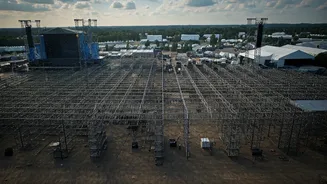
The last month is an intense period of execution. Final confirmations are made with all artists and vendors. The physical build-out of the site begins, which for a large festival can take anywhere from three days to two weeks. This involves constructing stages, setting up sound and lighting rigs, erecting fences, and placing signage. In the final days, technical rehearsals and sound checks are conducted. Staff and security teams undergo final briefings. It is a flurry of coordinated activity to ensure every detail is in place before the gates finally swing open to the waiting crowd.