


Meet the Planet's Blue Carbon Banks
When we think of ecosystems that absorb carbon dioxide, tropical rainforests often come to mind. Yet, a set of coastal habitats known as 'blue carbon' ecosystems are even more effective at this crucial task. The primary players are mangrove forests, tidal
salt marshes, and seagrass meadows. These ecosystems are carbon powerhouses, capable of capturing and storing carbon at rates up to ten times greater than terrestrial forests on a per-acre basis. They pull CO2 from the atmosphere through photosynthesis, but their real superpower lies in what they do next. Instead of just holding carbon in their branches and leaves, they transfer a massive amount of it into the waterlogged, oxygen-poor soil beneath them.
A Natural Vault for Ancient Carbon
The secret to the success of blue carbon ecosystems is their soil. In the dense, muddy sediment of a mangrove forest or a salt marsh, organic material like dead leaves, roots, and other debris breaks down extremely slowly due to the lack of oxygen. This means the carbon they contain gets locked away instead of being released back into the atmosphere. This process of accumulation builds up deep layers of carbon-rich soil over centuries, and even millennia. These soil deposits can be several meters deep, acting as a secure vault for carbon that was captured long ago. Globally, coastal ecosystems may store over 11 billion tonnes of carbon in their soils and biomass, making them incredibly valuable natural assets in regulating the global climate.
The Twin Threats: Erosion and Sea-Level Rise
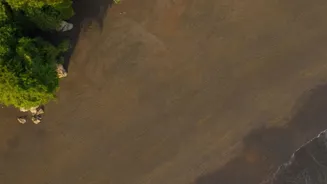
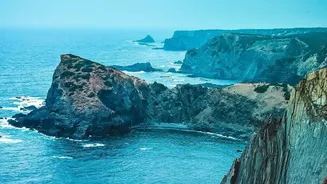
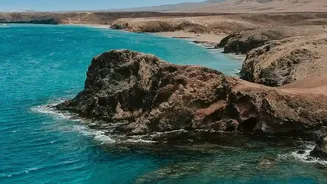
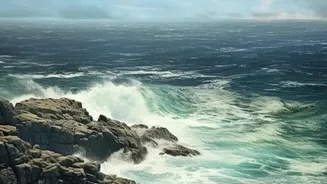
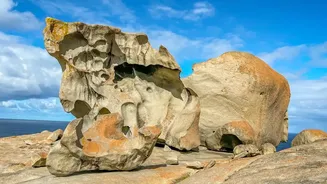
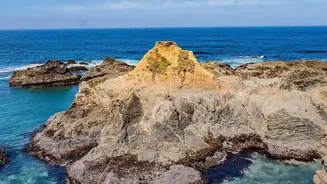
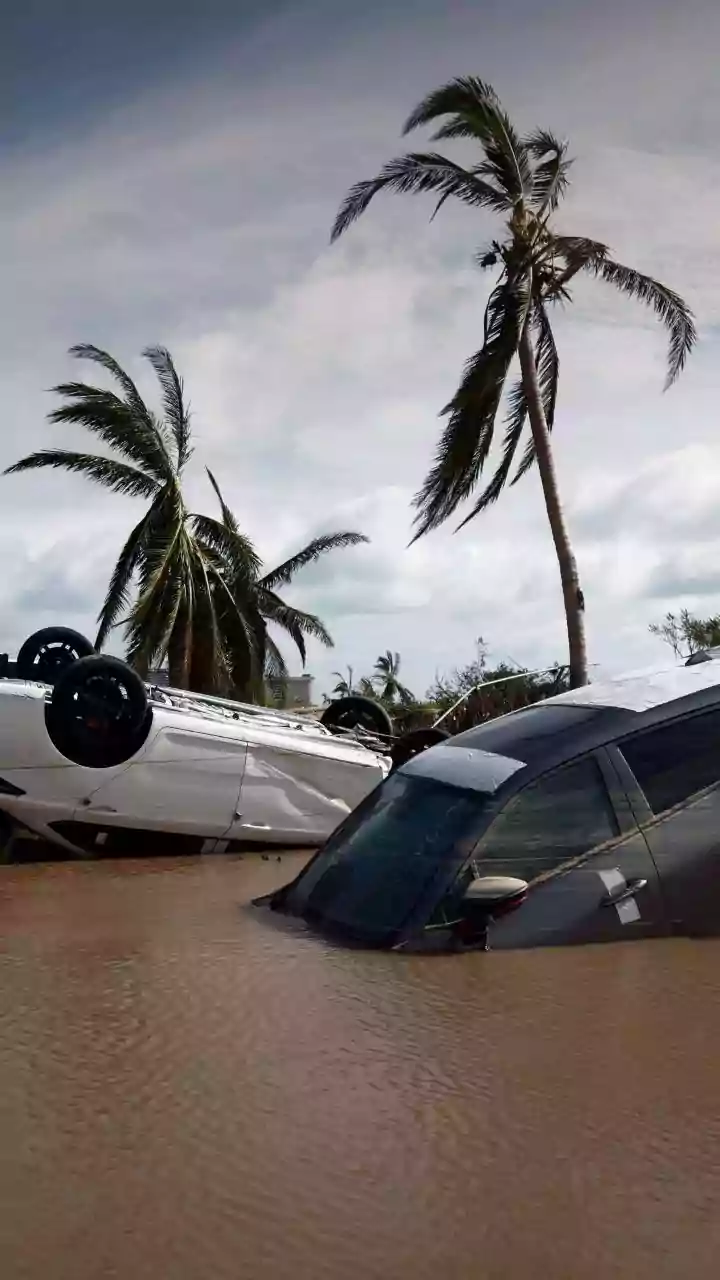
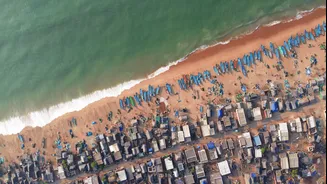
Despite their power, these valuable ecosystems are under immense threat. An estimated 340,000 to 980,000 hectares are destroyed each year due to coastal development, agriculture, and aquaculture. Compounding this direct destruction is the growing problem of coastal erosion, which is accelerated by climate change-driven sea-level rise and an increase in the frequency and intensity of major storms. As sea levels climb and storm surges become more powerful, the waves and currents that batter the coastline physically wear away at the land. This erosion eats away at the edges of salt marshes and undermines the roots of mangrove forests, destabilizing the very foundations of these vital carbon banks.
From Carbon Sink to Carbon Source
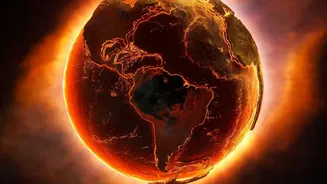
The degradation of these ecosystems represents a double-edged sword for the climate. First, when a mangrove forest or seagrass bed is destroyed, we lose its future ability to capture and store carbon. But the more immediate and dangerous problem is what happens to the carbon that is already stored there. When erosion exposes the ancient, carbon-rich soils to the air and churning water, the previously stable carbon is released. The oxygenated environment allows microbes to rapidly decompose the organic matter, releasing the stored carbon back into the atmosphere as carbon dioxide. This process transforms a powerful carbon sink into a significant carbon source, potentially releasing billions of tons of CO2 and creating a dangerous feedback loop that further accelerates climate change.
Protecting Our Coastal Investments
Recognizing the immense value of these habitats, efforts are underway globally to protect and restore them. Protecting existing blue carbon ecosystems is the most immediate and cost-effective strategy. This involves better coastal management, limiting destructive development, and creating protected marine areas. Furthermore, restoration projects are working to replant mangroves and re-establish tidal flow to degraded salt marshes. These nature-based solutions not only help sequester carbon but also provide a host of other benefits, including protecting coastal communities from storm surges, improving water quality, and providing critical nursery habitat for commercially important fish species. Investing in the health of our coastal ecosystems is a direct investment in our own climate resilience.