

What Are Sodium-Ion Batteries?
At its core, a sodium-ion battery works much like the lithium-ion batteries found in our phones and current electric vehicles. Ions, which are charged particles, move between a positive and negative electrode to store and release energy. The key difference
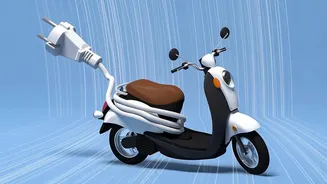
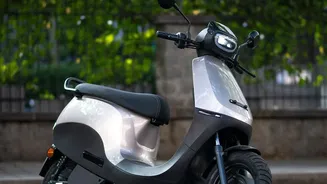
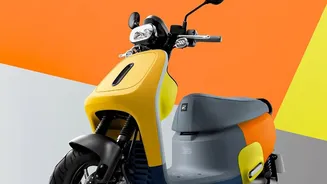
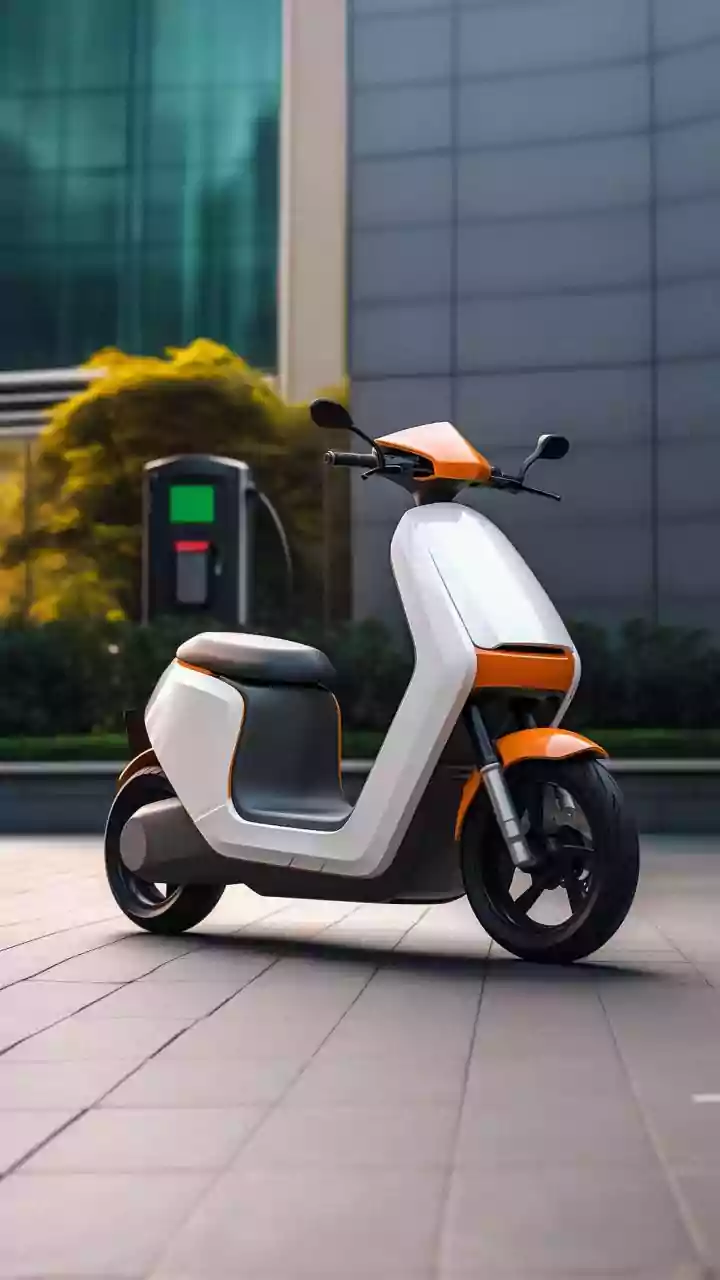
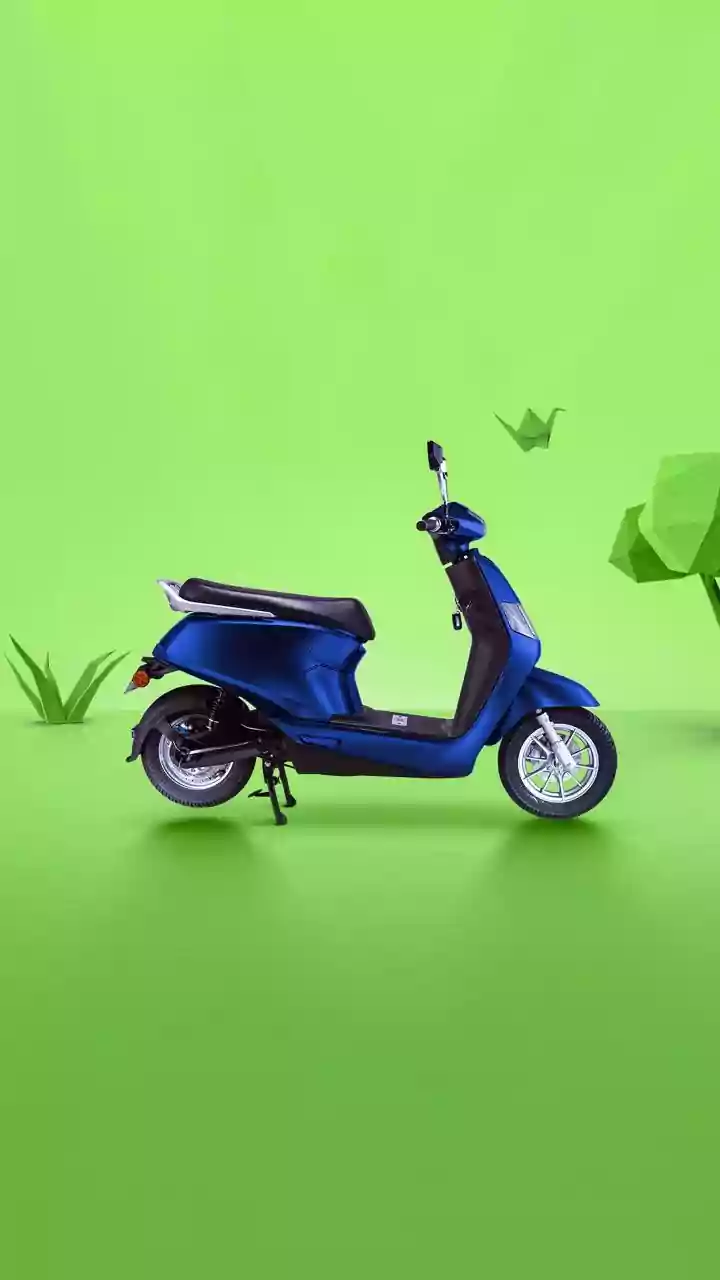
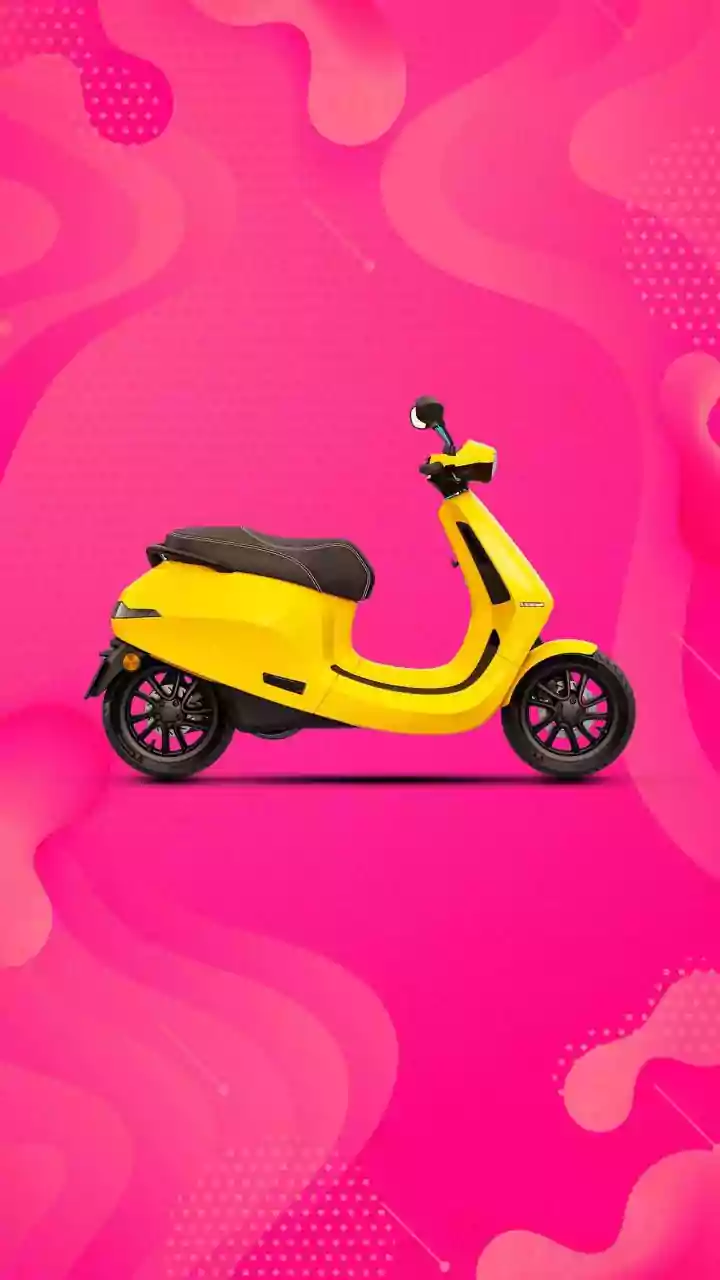
is the star player: instead of lithium ions, these batteries use sodium ions (Na+). Sodium is the same element found in common table salt, and it is the sixth most abundant element on Earth. This simple substitution of lithium for sodium is the foundation of its potential to revolutionize the EV market, particularly for cost-sensitive segments like electric scooters.
The Core Advantage: A Massive Cost Reduction
The primary appeal of sodium-ion technology is its potential for significant cost savings. Lithium is a relatively rare resource, with mining and processing concentrated in a few countries. This creates geopolitical risks and price volatility. Sodium, on the other hand, is everywhere and cheap to extract. This abundance could slash battery production costs by an estimated 30-50% compared to equivalent lithium-ion packs. Furthermore, sodium-ion batteries do not require cobalt or nickel, two other expensive and ethically complicated materials found in many lithium-ion chemistries. For India, this also aligns perfectly with the 'Atmanirbhar Bharat' mission, as it reduces reliance on imported raw materials and leverages the nation's existing chemical industry capabilities.
Performance vs. Price: A Perfect Match for Scooters
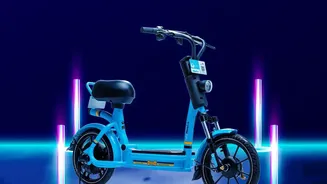
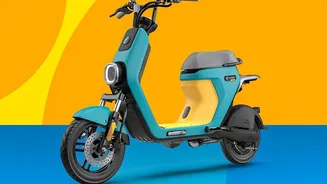
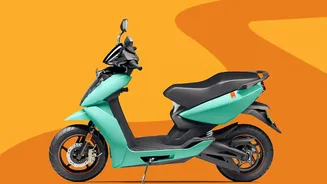
While sodium-ion batteries promise lower costs, they do come with a trade-off: lower energy density. This means they are bulkier and heavier than lithium-ion batteries for the same amount of energy stored. While this might be a dealbreaker for high-performance electric cars requiring long range and lightweight bodies, it’s a perfect compromise for entry-level electric scooters. For daily city commutes, the slightly lower range is often more than sufficient. In fact, many see urban mobility and scooters as the ideal first application for this technology. Moreover, sodium-ion batteries offer key advantages, including better performance in a wide range of temperatures—a crucial factor for India's diverse climate—and enhanced safety, as they are less prone to thermal runaway (fires).
India's Push: From Lab to Giga-Factories
India is not just watching from the sidelines; several companies and research institutions are actively developing sodium-ion technology. Reliance New Energy acquired UK-based leader Faradion and plans to manufacture sodium-ion cells at its giga-complex in Jamnagar. This move is expected to supply affordable batteries to a host of Indian two-wheeler EV players. Meanwhile, research teams at institutions like the Jawaharlal Nehru Centre for Advanced Scientific Research (JNCASR) have developed fast-charging sodium-ion prototypes. Pune-based startup Rechargion has also had its sodium-ion cells validated by the Automotive Research Association of India (ARAI), a major step towards commercialisation. These efforts signal a strong domestic push to create a self-reliant battery ecosystem.
When Can We Expect Cheaper Scooters?
While the technology is incredibly promising, a sudden price drop overnight is unlikely. The industry is still in the early stages of commercialisation and scaling up production is a major hurdle. Major players like China's CATL have begun commercialising their first-generation sodium-ion batteries, and their performance is already comparable to some entry-level lithium-iron-phosphate (LFP) batteries. As Indian companies like Reliance ramp up their giga-factories over the next few years, the supply chain will mature. Experts suggest that while some specialised models may appear sooner, the real impact on mass-market electric scooter prices will likely be felt closer to the end of the decade as production scales and manufacturing costs truly come down.