



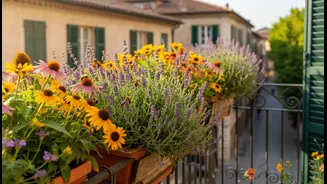


Why a Small Balcony Matters
Pollinators like bees, butterflies, and birds are essential for our ecosystems and food supply, responsible for helping over 75% of the world's flowering plants to reproduce. However, urbanisation has led to significant habitat loss, making it harder
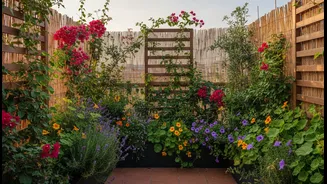
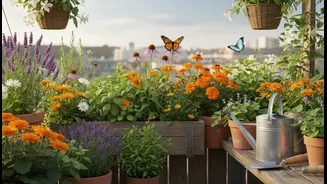
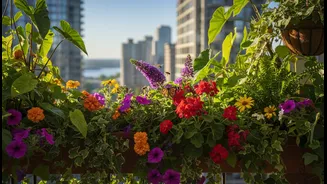
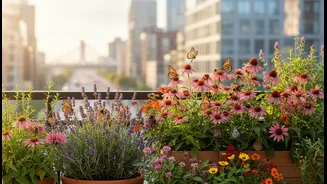
for them to find food and shelter. A pollinator balcony acts as a crucial 'pit stop' in a city. While a single garden may seem small, a network of them creates 'stepping stones' of green, allowing these creatures to navigate the urban landscape, feed, and rest. By cultivating a pollinator-friendly space, you are not just decorating your home; you are contributing to a larger, interconnected ecosystem and boosting local biodiversity.
Choosing Your Pollinator Champions
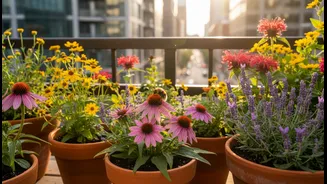
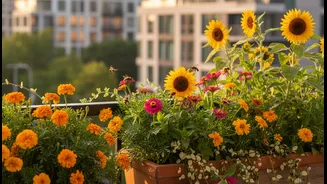
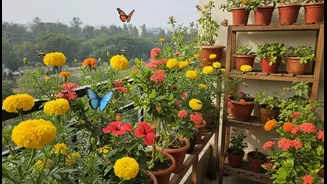
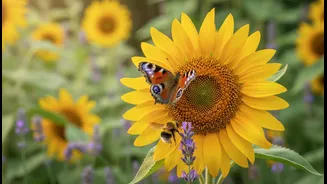
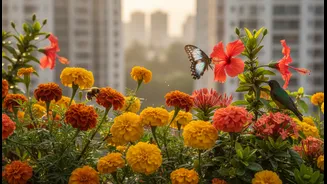
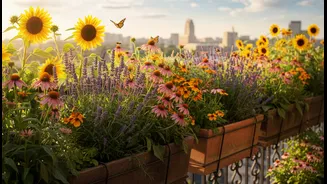
The heart of your pollinator balcony is the right selection of plants. Focus on native and nectar-rich flowers that bloom at different times to provide a year-round buffet. For Indian climates, some excellent choices include Marigold (Genda), which is hardy and a favourite of bees. Sunflowers, Hibiscus, and Butterfly Pea (Aparajita) are fantastic for attracting both bees and butterflies. Fragrant Jasmine and herbs like Tulsi (Holy Basil), when allowed to flower, are irresistible to pollinators. Other great additions are Lantana, Cosmos, Zinnia, and Periwinkle. Planting in clusters, rather than single pots, makes your garden a more visible and attractive target for visiting insects.
More Than Just Flowers
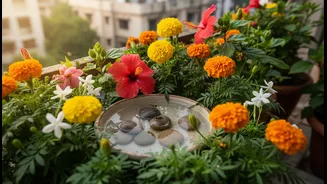
A true haven offers more than just food. Pollinators also need water and shelter to thrive. You can create a simple 'bee bath' by filling a shallow dish with water and adding pebbles or marbles for insects to land on safely without drowning. This provides a critical water source, especially during hot days. For shelter, you can get creative. Grouping pots together creates protective microclimates. Adding a small, ready-made 'bug hotel' can provide nesting spots for solitary bees, while dense foliage offers a safe place to rest, hidden from predators and harsh weather.
Think Like a Pollinator
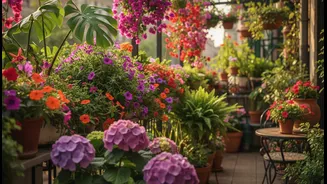
To maximise your balcony's appeal, try to see it from a pollinator's perspective. Different insects are attracted to different colours and flower shapes. Bees are often drawn to blues, purples, and yellows, while butterflies might prefer bright reds and oranges. A mix of flower shapes—from the open-faced daisies of Cosmos to the tubular flowers of a Hibiscus—will attract a wider variety of visitors. Also, plan for continuous blooms throughout the seasons. Having some plants that flower in spring, others in summer, and a few that bloom into the autumn ensures a consistent food supply for your tiny guests.
Keep It Natural and Safe
The most important rule for a pollinator garden is to avoid chemical pesticides and herbicides at all costs. These chemicals are harmful and often fatal to bees, butterflies, and other beneficial insects you are trying to attract. Instead, embrace organic gardening methods. If you have a pest problem, try natural remedies like a simple spray of neem oil solution. Many pests can be managed by companion planting; for example, the scent of marigolds is known to deter certain unwanted insects. By creating a chemical-free zone, you ensure your balcony is a safe and genuinely welcoming refuge for wildlife.