







The Hidden Cost of Staying Dry
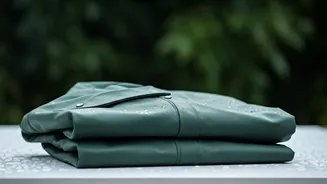
For decades, the magic of waterproof clothing relied on a class of chemicals called per- and polyfluoroalkyl substances, better known as PFCs or PFAS. These 'forever chemicals' are used in durable water repellent (DWR) coatings that make water bead up
and roll off a jacket's surface. The problem is, they don't break down in the environment, accumulating in water, soil, and wildlife. The manufacturing process for traditional rain gear also relies heavily on virgin synthetic materials like polyester and nylon, which are derived from petroleum and contribute to greenhouse gas emissions. As awareness of these issues has grown, both consumers and brands have started searching for a better way to brave the rain.
From Plastic Bottles to Performance Wear
A major shift in sustainable outerwear is the use of recycled materials. Recycled polyester, often labelled as rPET, is now one of the most common eco-friendly fabrics in outdoor gear. This material is typically made by melting down used plastic bottles and spinning them into new polyester fibres. These fibres can be woven into fabrics for jacket shells and linings, reducing landfill waste and lessening the demand for new petroleum resources. Similarly, recycled nylon is becoming a popular choice, with some of it being sourced from discarded fishing nets, fabric scraps, and industrial plastic waste. Major brands are increasingly transitioning their collections to include a high percentage of recycled content, proving that performance and sustainability can go hand-in-hand.
The Push for PFC-Free Protection
Beyond the fabric itself, the biggest innovation has been the move away from PFC-based water repellency. Spurred by environmental campaigns and consumer pressure, the outdoor industry has invested heavily in developing PFC-free DWR treatments. These newer coatings use alternative, eco-friendly chemistry to achieve water resistance without the harmful environmental persistence of their predecessors. While early versions of these treatments faced challenges with durability, recent advancements have closed the performance gap significantly. Today, many leading outdoor brands offer entire lines of rain gear that are completely PFC-free, a sign of a true industry-wide transformation.
A Conscious Consumer Movement
This wave of innovation isn't just happening in a vacuum; it's a direct response to a fundamental shift in consumer behaviour. Especially among younger generations, shoppers in India and around the world are asking more questions about how their clothes are made. There is a growing preference for brands that demonstrate environmental responsibility and transparency in their supply chains. A recent survey highlighted that while awareness of 'sustainable fashion' is high, consumers are still learning the specifics. However, the intention to buy better is clear, with shoppers increasingly opting for durable, high-quality items over disposable fast fashion. This demand creates a powerful incentive for companies to invest in more responsible materials and manufacturing processes.
Challenges on the Path to Perfect
The move towards eco-friendly rain gear is a significant step forward, but the journey isn't over. The term 'sustainable' is complex, and challenges remain. For instance, even recycled synthetic fabrics can shed microplastics when washed. Furthermore, creating truly circular systems where old jackets can be easily recycled into new ones is still a work in progress, especially for items made of blended materials. Some brands are tackling this by designing for recyclability and introducing take-back programs to manage a garment's entire lifecycle. The most sustainable practice is often to consume less, which is why durability and repairability are becoming just as important as the materials themselves. Choosing a high-quality, long-lasting jacket is one of the most impactful choices a consumer can make.