







In late October 2026, the cryptocurrency world was shaken by the largest digital heist in history. Approximately $6.3 billion vanished from Binance, the world's biggest crypto exchange, sparking a frantic global investigation.
The Anatomy of a Record-Breaking Heist
On October 29, 2026, attackers
executed a highly sophisticated operation, draining Binance's hot wallets—digital wallets connected to the internet for faster transactions—of assets across at least ten different blockchains. The main attack unfolded with breathtaking speed, with the bulk of the funds moved in about 20 minutes. The total value of the stolen assets is estimated to be around $6.3 billion, a figure that dwarfs all previous crypto thefts, including the $1.5 billion Bybit hack in 2025. Analysts have described it as almost certainly the largest single theft of any kind in history.
A Sophisticated, Multi-Stage Attack
This was not a simple smash-and-grab. Binance's own post-mortem report revealed a months-long campaign that began as early as June 2026. The attackers used a combination of social engineering, malicious software, and the compromise of internal systems. The initial breach reportedly started when a Binance engineer inadvertently downloaded malware while searching for an AI coding tool. This gave the hackers a foothold. They later targeted another engineer through a fake recruitment process on a legitimate job platform, tricking them into downloading malware during a bogus job interview. By leveraging their access and a compromised internal AI tool, the attackers were eventually able to reach the exchange's internal wallet signing service to authorise the fraudulent withdrawals.
The Prime Suspect: North Korea's Elite Hackers
Almost immediately, blockchain intelligence firms like TRM Labs, Elliptic, and Chainalysis pointed the finger at North Korea. The FBI later confirmed these suspicions, attributing the attack to a state-sponsored hacking unit known as 'TraderTraitor'. This group is believed to be an elite unit within the infamous Lazarus Group, which has been linked to numerous major cyberattacks and crypto heists. The FBI noted that TraderTraitor was also responsible for the previous record-breaking $1.5 billion hack of the Bybit exchange. North Korea has a documented history of using stolen crypto to fund its sanctioned weapons programs, and this single heist nearly doubled the total amount attributed to the regime over the years. Pyongyang has publicly denied the allegations.
The Global Race to Freeze Funds
In the immediate aftermath, a global scramble began to trace and freeze the stolen assets. Binance temporarily suspended all withdrawals and worked with law enforcement and industry partners, including stablecoin issuers Tether and Circle. This rapid response was remarkably successful, leading to the freezing of approximately $3 billion worth of assets on-chain, effectively clawing back nearly half of the stolen funds. However, the hackers were just as quick, using automated scripts to launder the remaining unfrozen assets, swapping them into cryptocurrencies like Ethereum and Bitcoin that cannot be centrally frozen and moving them between thousands of different digital wallets.
Binance's Response and the Market Impact
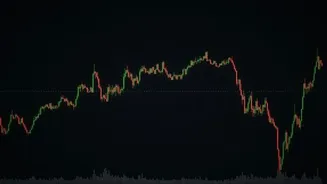
Binance gave a firm commitment that its users would not bear the financial impact of the theft. The exchange announced it would cover all losses using its Secure Asset Fund for Users (SAFU)—an emergency insurance fund—and its own corporate treasury. The company worked to replenish the stolen tokens and began a phased resumption of withdrawals within days of the attack. Despite the unprecedented scale of the breach, Binance's swift action to cover losses and coordinate the freezing of funds helped to mitigate a wider panic. Nonetheless, the incident has sent shockwaves through the industry, serving as a stark reminder of the sophisticated security threats facing even the largest players in the digital asset space.