







The Gardener's Dilemma
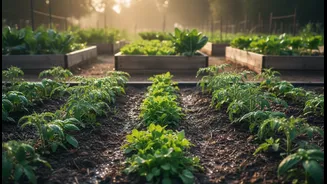
Traditionally, planting in Bengaluru has been a game of chance against the weather. The success of a small kitchen garden or a terrace farm often depends on timing the sowing of seeds perfectly with the arrival of the monsoon. The city experiences both
the southwest and northeast monsoons, which gives it a longer rainy season than many other places. However, this extended season is also notoriously unpredictable. Pre-monsoon showers can be followed by long dry spells, and the main monsoon's arrival can be erratic. For urban growers, this creates a high-risk window. Seeds sown in anticipation of rain can be lost to a sudden dry spell, while a delayed start can mean crops don’t have enough time to mature. This has made rain-fed planting a risky endeavour, often leading to wasted effort and resources.
An Unlikely Ally: The Urban Heat Island
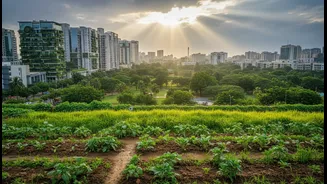
Ironically, a phenomenon often blamed for the city's woes is changing the game for its urban farmers: the Urban Heat Island (UHI) effect. As Bengaluru has grown, vast green spaces have been replaced with concrete and asphalt. These surfaces absorb and retain more of the sun's heat, making the city significantly warmer than its surrounding rural areas, especially at night. According to scientists, this temperature difference is altering local weather patterns. The warmer air over the city rises, leading to the formation of clouds and an increase in evening rainfall, particularly during the pre-monsoon summer months. What was once a sporadic 'mango shower' is becoming a more reliable pattern of precipitation, turning the pre-monsoon period from a risk into a resource.
Citizens as Climate Scientists
Harnessing this new predictability requires data, and Bengaluru’s citizens are stepping up. A growing movement of citizen science is helping to monitor and understand the city's changing microclimates. Initiatives like the Open Weather Project, started by Yuktix Technologies, have established networks of citizen-run weather stations across various localities. These stations collect real-time data on temperature, humidity, and rainfall, filling a critical gap left by official sources whose data isn't always publicly accessible. Similarly, projects like SeasonWatch encourage volunteers, including school children, to observe and record the seasonal cycles of trees, providing crucial phenological data that links plant behaviour to climate shifts. This community-driven data collection empowers gardeners to make more informed decisions, turning anecdotal knowledge into actionable intelligence.
More Than Just a Garden
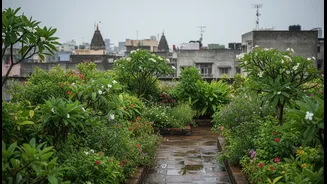
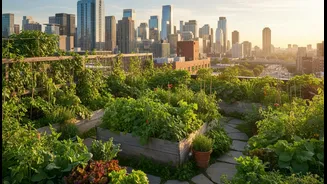
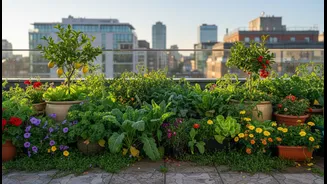
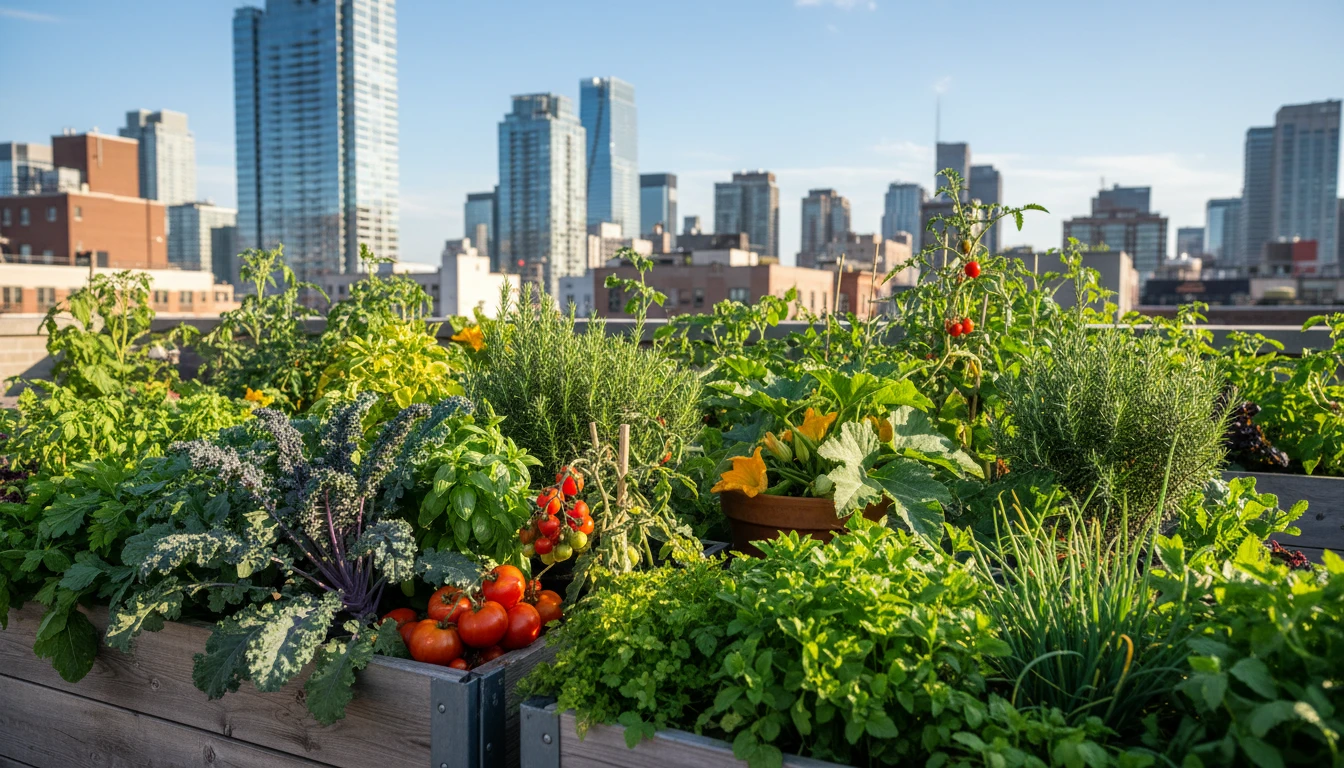
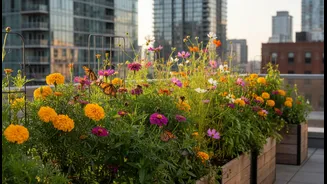
This shift from risk to utility is the bigger story. It’s about urban resilience in the face of climate change. By leveraging predictable pre-monsoon showers, urban farmers can often harvest a short-term crop like greens or legumes before the main kharif sowing season even begins. This isn't just a hobby; it’s a meaningful contribution to local food security. Groups like the Garden City Farmers Trust have inspired tens of thousands of residents to take up terrace gardening, with many growing a significant portion of their own vegetables. These green spaces do more than produce food. They act as 'mini-rainforests' that help manage stormwater by absorbing rainfall, reduce local temperatures, improve air quality, and support biodiversity by attracting pollinators like bees and butterflies. They are small-scale nature-based solutions with a city-wide impact.
A Blueprint for Other Cities?
As Bengaluru grapples with issues like water scarcity—prompting recent bans on using potable water for gardens and car washing—the value of using rainfall productively becomes even clearer. The city's burgeoning urban agriculture scene, supported by platforms like Farmizen and citizen-led initiatives, showcases a proactive model for adaptation. While a terrace garden can't solve a city-wide water crisis, it represents a crucial shift in mindset: from being passive victims of erratic weather to becoming active managers of urban ecosystems. The lessons being learned on Bengaluru's rooftops and balconies—combining citizen science with a deeper understanding of local climate effects—offer a powerful blueprint for how other Indian cities can turn their own environmental challenges into opportunities for a greener, more resilient future.