



The Imported Gut-Health Spectacle
Walk down any supermarket aisle or scroll through social media, and you'll find a bewildering array of products aimed at healing your gut. From kombucha that costs a small fortune to exotic probiotic powders and supplements with hard-to-pronounce ingredients,
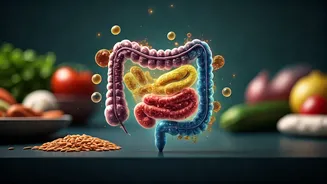
the message is clear: better health is something you must import. This creates a cycle of confusion and expense, where consumers are chasing trends without necessarily seeing results. India's gut health market is booming, expected to reach over a billion dollars by 2030, largely driven by these new-age products. [24, 26, 27] The irony is that Indian food traditions have nurtured gut health for centuries, long before it became a global buzzword. [8, 14] The real secret to a happy gut might just be a return to our roots.
The Unbeatable Power of Dahi
Before there was Greek yogurt, there was dahi. This humble staple, found in nearly every Indian household, is a probiotic powerhouse. [28] Made by fermenting milk, homemade curd is teeming with diverse strains of beneficial bacteria like Lactobacillus. [25, 29] These live microorganisms help maintain a healthy balance in your gut, aiding digestion and reducing issues like bloating. [4, 31] Unlike commercially produced yogurts, which use standardized bacterial strains, the bacteria in traditional dahi can be more varied. [30] It’s also incredibly versatile—enjoy it plain, as raita, in a smoothie as lassi, or in cooling chaas. It’s an easy, inexpensive, and delicious way to support your digestive system daily. [14, 17]
The Magic of Fermented Batters
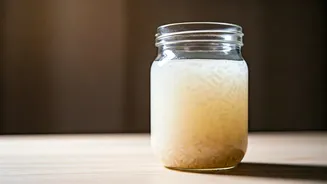
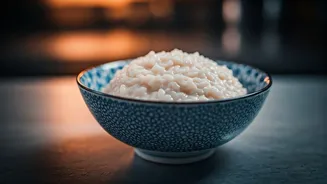
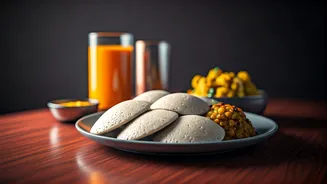
South Indian staples like idli and dosa are more than just a delicious breakfast; they are prime examples of nutritional brilliance. [16] Their base is a batter of rice and lentils, left to ferment for hours. This natural fermentation process does two wonderful things. First, it populates the batter with probiotics, or good bacteria, that support gut health. [6, 12] Second, it breaks down complex carbohydrates and anti-nutrients like phytic acid. [6, 13, 21] This 'pre-digestion' makes idlis and dosas remarkably light on the stomach and increases the bioavailability of essential minerals like iron, calcium, and zinc, meaning your body can absorb them more easily. [13, 21] So, that fluffy, steamed idli isn't just tasty—it's actively working to nourish your gut. [8]
Don't Underestimate Achaar
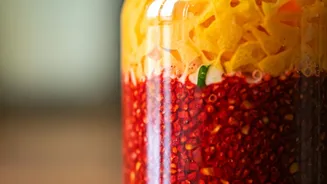
Pickles often get a bad rap for being high in salt and oil, but traditionally made Indian achaar is a different story. When vegetables or fruits are fermented naturally in salt and spices—without the use of vinegar—they become a rich source of probiotics. [5, 7, 15] This process, known as lacto-fermentation, encourages the growth of beneficial bacteria that are great for your digestive system. [5, 19] Spices commonly used in achaar, like turmeric, fenugreek, and mustard seeds, also have anti-inflammatory and antioxidant properties that further support overall health. [5, 7] The key is moderation and choosing traditionally fermented pickles over commercially produced, vinegar-based ones. A small spoonful with your meal can add a burst of flavour and a dose of gut-friendly bacteria. [17, 20]
Kanji: The Original Probiotic Drink
Long before kombucha became a trend, North Indian households were brewing Kanji. This tangy, fermented drink is traditionally made with black carrots (kali gajar), beetroot, water, salt, and mustard seeds. [3, 10] The mixture is left to ferment in the sun for several days, creating a beverage brimming with probiotics. [2, 18] Kanji is celebrated for its ability to aid digestion, reduce bloating, and boost immunity. [2, 3] It’s a natural detoxifier and a powerhouse of antioxidants and vitamins. [3, 10] Offering a uniquely Indian flavour profile, Kanji stands as a testament to the simple, effective, and sustainable wellness practices embedded in our culture, easily rivalling its more expensive, imported counterparts. [11]