






Decoding the Label Crackdown
The Food Safety and Standards Authority of India (FSSAI) has recently intensified its scrutiny of packaged food labels, and the targets are the buzzwords many of us take for granted. In a series of notices sent to numerous companies in mid-2026, the regulator
has questioned the use of terms like “Fresh,” “Healthy,” “100% Organic,” and, most significantly, “Natural.” For instance, companies have been pulled up for labelling products “Fresh Paneer” when the term doesn't meet specific regulatory conditions, or claiming a chocolate spread is “All Natural” while not satisfying the criteria laid out for using that word. FSSAI’s message is clear: these are not just marketing terms but specific claims that must be backed by evidence and adhere to strict definitions. This isn't just about technicalities; it's about closing the gap between what a label promises and what a product actually delivers.
The Trouble with 'Natural'
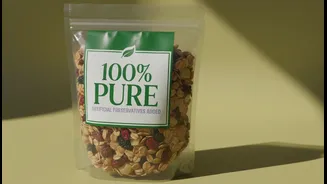
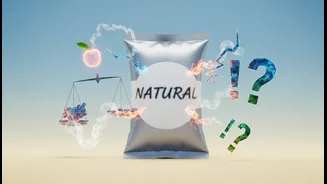
The word “natural” has become a major focus. Under FSSAI's Advertising and Claims Regulations, a product can only be called “natural” if it's a single food derived from a recognized source, like a plant or animal, and has undergone minimal processing. Composite foods, which are most packaged goods, cannot be described as “natural,” though they may be labelled “made from natural ingredients” if every single component meets the criteria. The crackdown has exposed how loosely this term is used. One company was questioned for claiming its cream bun was “100% Natural” while the ingredient list declared preservatives and synthetic colours. Another brand's vegan chocolate spread was flagged for using “All Natural” and “100% Organic” on its label without having the required prior approvals or certifications for either claim under its FSSAI licence. This action follows earlier moves by FSSAI to ban absolute claims like “100% pure” or “100% organic” unless fully verifiable, signalling a major shift towards accountability.
The Great Indian Health Shift
FSSAI’s regulatory push isn't happening in a vacuum. It perfectly aligns with a massive and growing consumer movement across India towards natural and organic foods. The Indian organic food market is experiencing explosive growth, with projections showing it will expand from over USD 2.3 billion in 2025 to over USD 11 billion by 2034, driven by a compound annual growth rate of over 19%. This surge is fuelled by rising health consciousness, particularly among urban consumers who are increasingly wary of synthetic pesticides, preservatives, and processed ingredients. They see choosing organic and natural products not just as a preference but as an investment in long-term, preventive health. This trend has moved beyond niche metro stores and is now visible in Tier-2 cities and local kirana shops, where organic dals and millets are becoming mainstream groceries.
A Return to Traditional Wisdom
This demand for “natural” resonates deeply with traditional Indian food philosophies. For generations, Indian home cooking has been rooted in the principle of using fresh, whole, and minimally processed ingredients. The concepts of clean eating and understanding the source of your food aren't new-age fads here; they are echoes of Ayurvedic principles that have long emphasized the link between diet and well-being. The modern consumer, armed with new information about food science, is essentially seeking a return to these roots. They are demanding transparency and rejecting products with unpronounceable chemical additives. As a result, there's a growing demand for traceability, with consumers wanting to know exactly which farm their turmeric came from, a trend brands are responding to with QR-code-enabled packaging.
What This Means for Your Grocery Cart
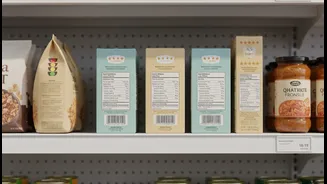
For the average shopper, this crackdown is empowering. It forces you to look beyond the flashy claims on the front of the pack and focus on the ingredient list on the back. The presence of an FSSAI license number and official certification logos, like the Jaivik Bharat mark for organic products, are becoming more important than ever as reliable indicators of authenticity. For brands, the message is that banking on misleading buzzwords is a strategy with a rapidly approaching expiry date. The future belongs to companies that can build trust through genuine transparency. This means investing in certified organic supply chains, simplifying ingredient lists, and communicating honestly with a customer base that is smarter and more demanding than ever before. Ultimately, the FSSAI's actions reflect a larger cultural shift: in India today, the most valuable ingredient is trust.