





The Monsoon Challenge for Potted Plants
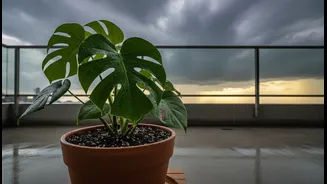
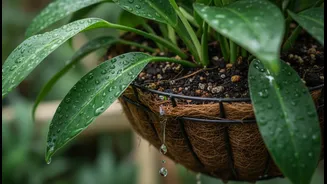
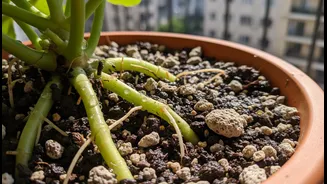
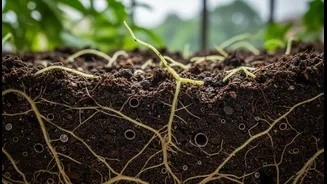
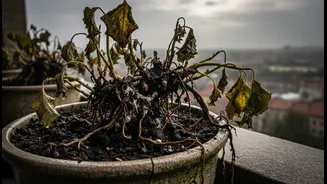
Balcony gardens are especially vulnerable during periods of heavy, sustained rain. Unlike plants in the ground, container plants have a limited volume of soil that can quickly become saturated. When water has nowhere to go, it fills the air pockets in the soil that roots
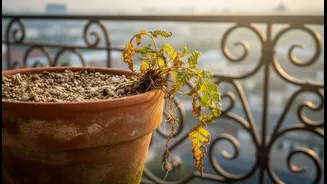
need to breathe. This condition, known as waterlogging, can lead to root rot, a fungal disease that can quickly kill a healthy plant. The constant moisture also creates a perfect environment for other fungal and bacterial issues, and the sheer force of rain can compact the soil surface, making drainage even worse. Preparing your pots with a well-draining soil mix is the single most important step you can take to ensure your plants survive and thrive through the rainy season.
Meet Your Drainage Heroes: Perlite and Sand
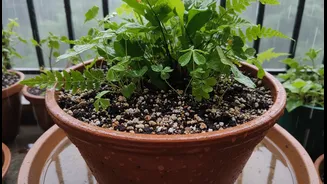
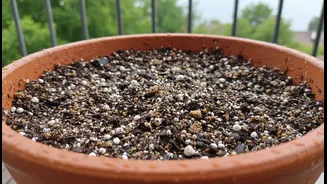
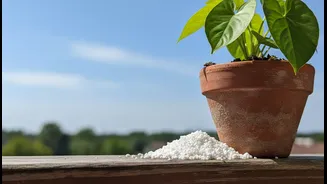
To combat waterlogging, you need to amend your potting mix with materials that improve drainage and aeration. Perlite and coarse sand are two of the most effective and widely available options. Perlite is a lightweight volcanic glass that looks like tiny white styrofoam balls. It is incredibly porous and creates air channels within the soil, allowing excess water to drain freely while holding open space for roots to get oxygen. Sand also improves drainage, but it's crucial to use coarse sand, often sold as river sand or builder's sand. Fine sand can actually worsen the problem by compacting and filling in air gaps, creating a dense, concrete-like mixture. While sand is heavier, perlite is exceptionally light, making it a great choice for balcony gardens where weight can be a concern.
The All-Purpose Monsoon Potting Mix
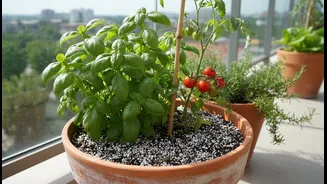
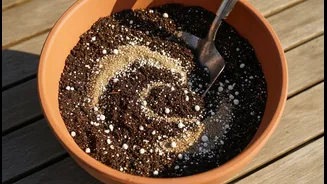
There is no single “perfect” ratio for every plant, but a fantastic starting point for most common balcony flowering plants, herbs, and vegetables is a simple 1:1:1 ratio. This means combining one part coco peat or standard potting soil, one part perlite, and one part coarse sand. A mix often recommended for Indian conditions involves a higher ratio of a moisture-retentive base like cocopeat. For a general-purpose blend that balances moisture retention with excellent drainage for the monsoon, try this reliable formula: 2 parts coco peat (or a quality potting mix), 1 part perlite, and 1 part coarse sand. This provides a solid foundation that holds enough moisture without becoming waterlogged during downpours.
Customising the Mix for Your Plants
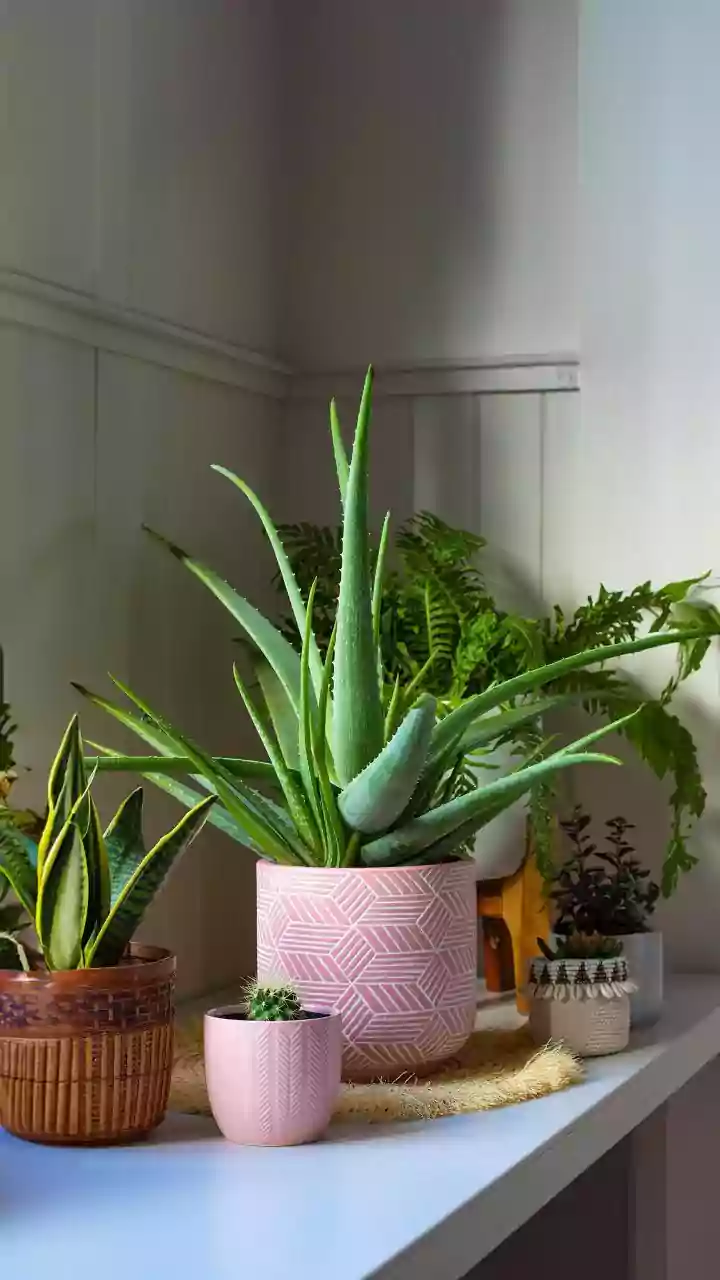
The beauty of making your own mix is that you can tailor it to the specific needs of your plants. Different plants have different water requirements, and your soil should reflect that. For succulents, cacti, and other drought-tolerant plants, you need much sharper drainage. Increase the inorganic components by using a mix of 2 parts perlite, 2 parts coarse sand, and just 1 part soil or coco peat. For moisture-loving plants like ferns or peace lilies, you'll want to retain more water. You can adjust the general mix to be 2 parts coco peat, 1 part vermicompost for nutrients, and 1 part perlite, reducing or omitting the sand. Always research your specific plant's needs to fine-tune the recipe.
A Step-by-Step Guide to Mixing
Creating your custom soil mix is simple. First, gather your ingredients: a base (coco peat or potting soil), drainage amendments (perlite, coarse sand), and optional nutrients (vermicompost). You will also need a large tub or a tarp for mixing, a trowel, and gloves. It's also wise to wear a mask, as perlite dust can be an irritant when dry. Begin by measuring out your 'parts' using a cup or small pot. For the general 2:1:1 mix, that means two cups of coco peat for every one cup of perlite and one cup of sand. Combine all the dry ingredients in your tub first, mixing them thoroughly until the blend is uniform in colour and texture. If you are using a compressed coco peat brick, be sure to hydrate it fully before you start mixing. Once mixed, your soil is ready. Fill your pots, ensuring they have clear drainage holes, and you're all set for a successful monsoon season.