



Beyond the Standard Restaurant Menu
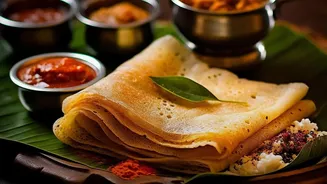
Most restaurants, even in South India, serve a somewhat standardised menu. This is a greatest hits collection designed to appeal to a broad audience, featuring well-loved but generic versions of pan-South Indian dishes. They are delicious, but they often
lack regional specificity. A dosa in Chennai might taste very similar to one in Bengaluru or even Mumbai. Regional food stalls, on the other hand, are hyperlocal. They don't cater to a generalised palate; they cook for their community, serving dishes that reflect the specific culinary traditions of that town, city, or district. This is where you move beyond the familiar and discover the true diversity of Tamil cooking.
A Masterclass in Hyper-Local Flavours
Tamil Nadu's culinary landscape is divided into distinct regions like Chettinad, Kongunadu, and Pandiya Nadu, each with its own unique ingredients and cooking styles. While a fancy restaurant might offer a 'Chettinad' chicken curry, a street vendor in Karaikudi will serve a dozen other local Chettiar specialities you've never heard of. In Madurai, you'll find vendors expertly preparing 'Kothu Parotta'—a stir-fry of shredded flatbread, egg, and meat—a dish with Sri Lankan roots that has become a local obsession. Other stalls might specialise in 'Idiyappam' (string hoppers) served with sweet coconut milk or a fiery curry, or 'Paniyaram', small steamed dumplings that can be sweet or savoury. Some stalls in Chennai even showcase the influence of Burmese food, a culinary legacy of Tamil immigrants who returned from Burma, offering dishes like 'Atho' noodles. This is indigenous cooking in its truest form: food tied to a specific place and people.
The Power of Freshness and Simplicity
Unlike restaurant kitchens that often rely on pre-prepared bases and large-batch cooking, street stalls operate on a model of extreme freshness. Ingredients are often bought from the local market that same morning. The batter is ground for the day, the coconut is freshly grated, and the masalas are often made in small, potent batches. The cooking is done right in front of you, on simple, well-seasoned equipment. There are no walk-in freezers or complex supply chains. This immediacy and simplicity have a profound impact on flavour. The taste is brighter, the textures are sharper, and the aromas are more intense. The food isn't just served hot; it's served alive, capturing the essence of its ingredients at their peak.
Generations of Culinary Knowledge
The person behind the counter is often not just a cook; they are the custodian of a family's culinary heritage. The recipes used are rarely from a cookbook. They are 'kai manam' (the 'hand's fragrance' or intuitive touch), passed down through generations. These cooks understand the subtle art of balancing the six tastes central to Tamil cuisine: sweet, sour, salty, pungent, bitter, and astringent. They know precisely how long to ferment the batter based on the day's humidity and how to toast spices to release their essential oils. This is a form of indigenous knowledge that cannot be taught in a culinary school. It’s a living tradition, served up one plate at a time.
An Unfiltered Cultural Experience
Eating at a regional food stall is about more than just the food; it's a full sensory immersion. It's the rhythmic clatter of the steel spatulas on the griddle as 'Kothu Parotta' is being made, the sizzle of batter hitting a hot pan, and the chatter of the local crowd. You are not a customer separated from the kitchen; you are a participant in a daily ritual. This direct, unpolished experience is the very definition of authenticity. It connects you to the history of the place and the daily life of its people. It's a taste of Tamil Nadu that hasn't been repackaged for tourists, offering a genuine glimpse into the soul of Southern Indian cooking.