



The Urban Gardening Dilemma
For many living in apartments, gardening feels like a constant battle. Limited space is one thing, but the real challenge is often watering. Busy work schedules, weekend trips, and the simple fear of getting it wrong—either drowning your plants or leaving
them thirsty—can turn a relaxing hobby into a source of stress. Overwatering and underwatering are the most common reasons houseplants fail. Traditional pots dry out quickly, especially on a sunny balcony, demanding daily attention that not everyone can provide. This inconsistency can stress plants, leading to poor growth, yellowing leaves, and a sense of failure for the aspiring gardener.
How Do They Actually Work?
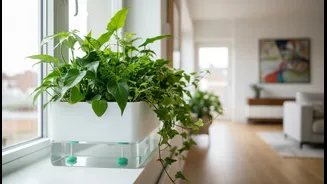
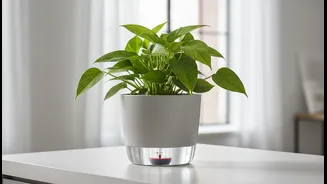
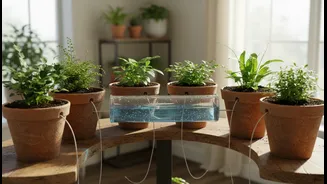
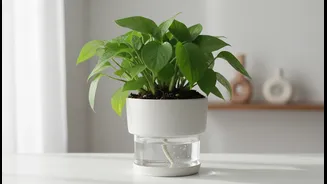
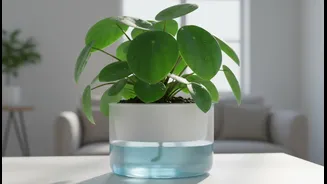
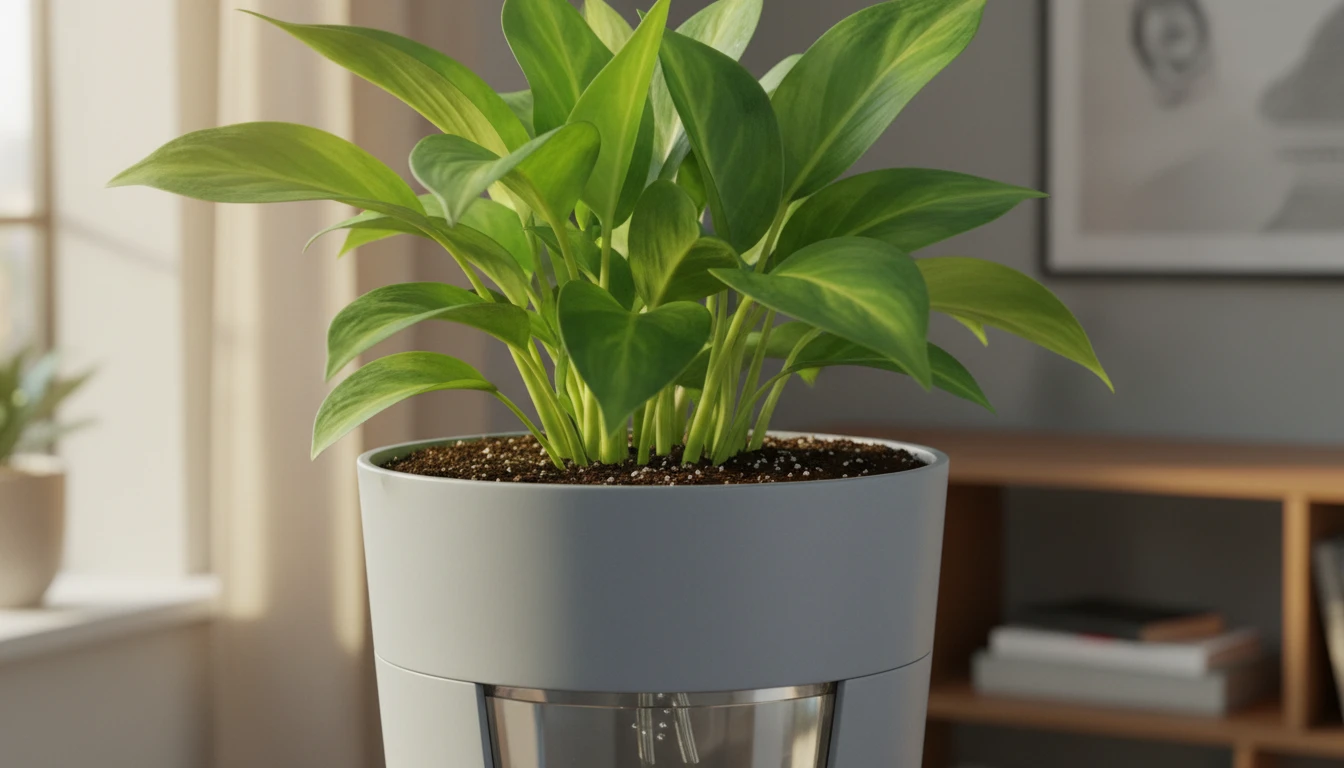
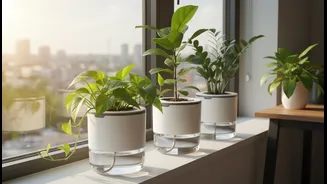
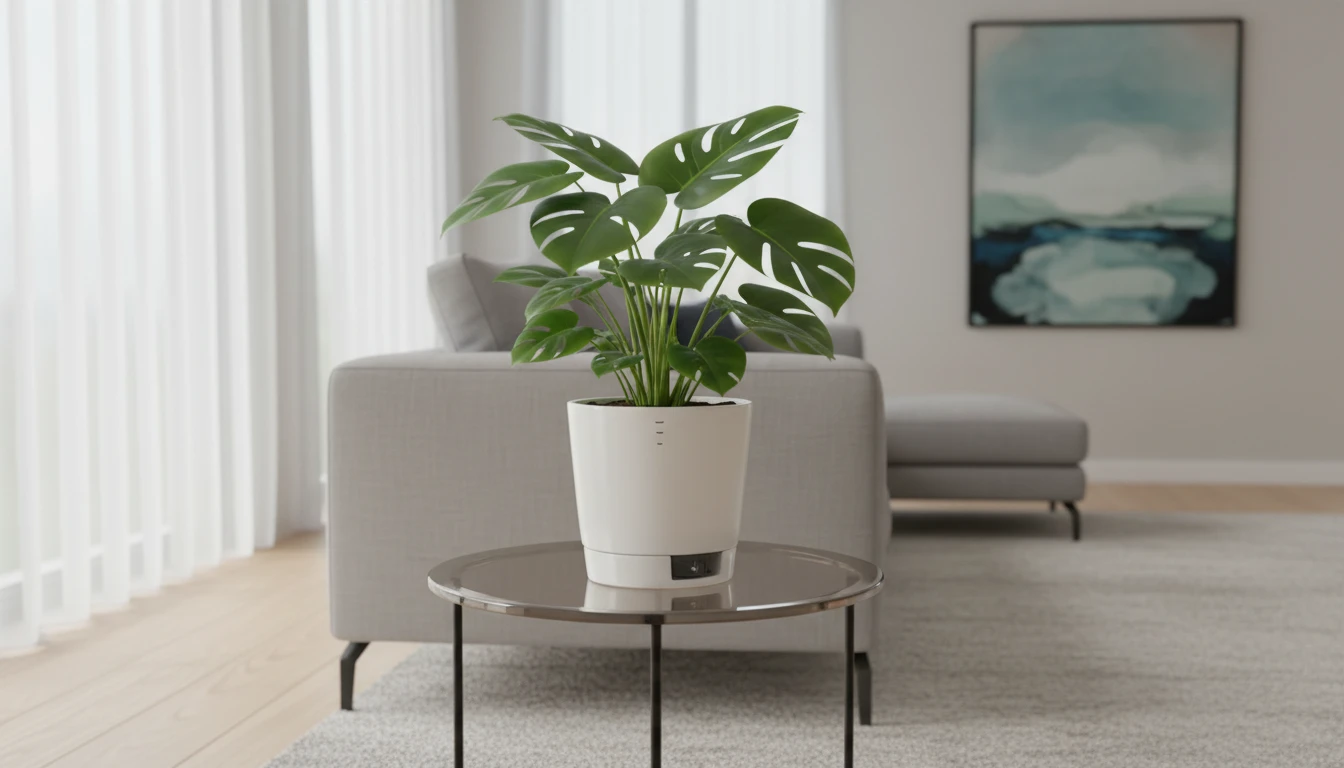
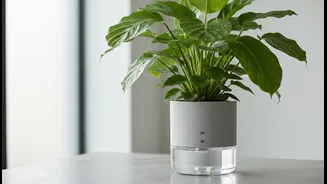
Despite the name, self-watering pots don't water plants by themselves, but they make the process incredibly efficient. Most designs feature a dual-layer system: an upper compartment for soil and the plant, and a lower reservoir that you fill with water. A wicking mechanism, often a strip of absorbent material or even porous soil extending downwards, connects the two. This wick uses a natural process called capillary action to draw water up from the reservoir into the soil as it begins to dry out. The plant's roots then absorb the moisture they need, creating a consistent and self-regulating hydration system.
The Gift of Consistent Moisture
The primary benefit of a self-watering system is the steady supply of moisture it provides. Plants thrive on consistency. Unlike the feast-or-famine cycle of manual watering, where soil can go from waterlogged to bone-dry, these pots maintain a balanced moisture level. This constant hydration reduces plant stress, encourages stronger and deeper root development, and promotes healthier, more vibrant foliage. It effectively takes the guesswork out of watering, ensuring plants get exactly what they need to flourish.
Convenience for the Busy and Forgetful
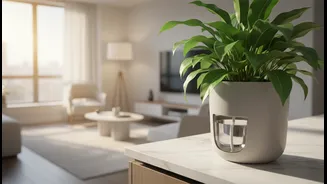
For apartment gardeners juggling work, travel, and a social life, the convenience factor is a game-changer. Instead of needing to water every day, you might only need to top up the reservoir once a week or even less, depending on the pot size, plant type, and weather. This makes them perfect for people who travel frequently or those who admit to being a bit forgetful. Many pots even come with a water level indicator, so you can see at a glance when it's time for a refill, removing another layer of uncertainty.
Saving Water and Reducing Disease
In an era of growing environmental awareness, water conservation is a significant plus. Self-watering planters are highly efficient, as water is delivered directly to the roots, which minimizes loss from evaporation or runoff. This targeted approach can reduce water usage compared to traditional top-watering methods. Furthermore, because the water is delivered from below, the plant's leaves and the top layer of soil stay drier. This helps prevent common fungal diseases and pests that thrive in damp surface conditions, contributing to overall plant health.
What to Know Before You Buy
While incredibly useful, self-watering pots aren't a universal solution for every plant. Species that prefer to dry out completely between waterings, like succulents and cacti, may not be suitable as the soil remains consistently moist. Similarly, very thirsty plants might require a larger reservoir than what a standard pot can offer. There's also the initial cost to consider, which is typically higher than a standard pot. However, many gardeners find the investment worthwhile when factoring in the time saved and the reduced risk of losing plants.
The Best Plants to Get Started
Many popular houseplants and edibles thrive in self-watering pots. Plants that enjoy consistent moisture are the best candidates. Think of leafy tropical plants like peace lilies, spider plants, and ferns. Many common herbs such as basil, parsley, and mint also do very well with a steady water supply. For flowering options, African violets are a classic choice because they prefer their leaves to stay dry, making the bottom-up watering system ideal.