






The Lingering Fear of Fire
For India’s burgeoning electric vehicle market, 2022 was a challenging year. A series of high-profile incidents involving electric scooters catching fire shook consumer confidence to its core. These events, often attributed to thermal runaway in batteries
ill-suited for India's extreme heat, forced a reckoning within the industry and prompted government intervention. The incidents highlighted a critical vulnerability: the reliance on battery chemistries like Nickel Manganese Cobalt (NMC), which, while energy-dense, were more volatile under Indian operating conditions. This led to recalls and a lingering sense of apprehension among potential buyers, threatening to derail the country's electric mobility ambitions.
A Safer Chemistry for India
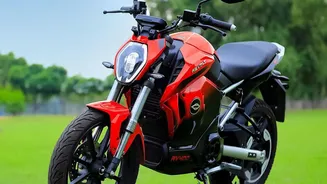
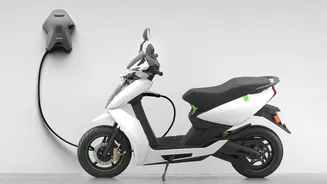
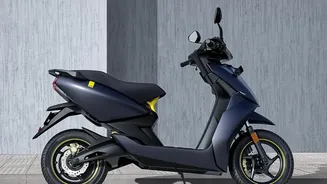
Enter Lithium Iron Phosphate (LFP), the battery chemistry at the heart of this new safety benchmark. Unlike its NMC counterpart, LFP technology is renowned for its exceptional thermal stability. It can withstand higher temperatures without the risk of overheating, which is the primary trigger for the dangerous chemical reaction known as thermal runaway. This inherent safety makes it the ideal choice for a country where scooters are parked under the scorching sun and run on congested, hot city streets. Major manufacturers have taken note, with brands like Ola Electric, Ather Energy, and Kinetic now rolling out new models powered by LFP batteries, signaling a market-wide pivot toward a safer, more resilient standard.
Raising the Bar with AIS-156
This industry shift isn't just voluntary; it's reinforced by stricter government regulations. In response to the safety concerns, the Ministry of Road Transport and Highways (MoRTH) implemented stringent updates to the Automotive Industry Standard (AIS-156). These new rules mandate rigorous testing for battery packs, covering everything from thermal shock and fire propagation to mechanical impact and overcharging. The standard specifically requires that a thermal runaway event in one cell does not spread to the rest of the pack, giving riders crucial time to get to safety. LFP batteries, with their stable structure, are exceptionally well-equipped to meet and often exceed these tough new requirements, making AIS-156 compliance a tangible measure of the new safety benchmark.
More Than Just Safe
The benefits of LFP technology extend well beyond safety. One of its most significant advantages is longevity. LFP batteries can endure two to three times more charge cycles than typical NMC batteries, meaning they last much longer. For a scooter owner, this translates into a battery that retains its range for more years, eliminating the hefty replacement cost that often comes after three or four years of use. Furthermore, LFP chemistry does not rely on cobalt, a rare and ethically problematic material, which can help stabilize production costs and make electric scooters more affordable in the long term. This combination of safety, durability, and cost-effectiveness presents a powerful value proposition for the Indian consumer.
The 'Made in India' Push
This technological evolution is also being driven by homegrown innovation. Indian companies are stepping up to build a self-reliant battery ecosystem. Bengaluru-based Log9 Materials, for instance, is a pioneer in developing advanced energy storage solutions, including LFP and even more advanced Lithium-titanium-oxide (LTO) cells tailored for Indian conditions. By developing and manufacturing batteries domestically, companies like Log9 and major OEMs with their own gigafactories are not only ensuring a stable supply chain but also creating power packs specifically engineered to handle the nation's unique climate and road challenges. This local focus is critical to building lasting trust and ensuring the long-term success of electric mobility in India.