








More Than a Brainstorming Buddy
Initially, designers viewed large language models as a novel way to break creative blocks or generate simple text-based ideas. Gemini, however, has fundamentally changed this perception. Its native multimodal capability—the ability to understand and process
text, images, code, and audio simultaneously—sets it apart. This isn't just about asking an AI to describe a picture; it's about providing it with a brand's style guide, a wireframe sketch, and user feedback to generate a cohesive and context-aware design concept. Designers are now using Gemini to analyze complex documents and user journey maps, watch user test videos to summarize pain points, and even suggest design system updates based on visual patterns.
A New Generation of Integrated Tools
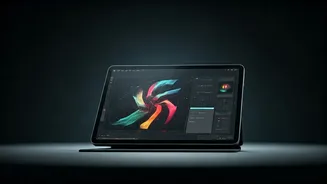
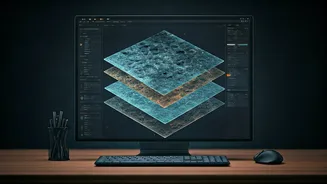
The abstract potential of Gemini is becoming concrete through a new wave of AI-powered design tools. Google has been embedding AI features across its entire product ecosystem, from Workspace to specialized developer tools. Products like Google Stitch, for example, allow designers to generate entire visual systems from text prompts or even voice descriptions, exploring brand aesthetics at lightning speed. This integration is also happening in tools designers already use daily. By leveraging the Gemini API, agencies and studios are creating workflows where the AI handles repetitive tasks like asset resizing, background removal, and creating design variations for A/B testing, freeing up human designers to focus on strategy.
Redefining the Creative Workflow
The impact on day-to-day work is profound. A process that once involved siloed steps of sketching, prototyping, and revision is now a fluid, iterative conversation with an AI collaborator. Tedious tasks that consumed hours are now automated, allowing teams to move from a blank canvas to multiple, viable concepts in minutes. Agencies report using Gemini's 'help me write' and 'take notes for me' features to iterate faster on creative projects and align with clients in real-time. This shift is less about replacing human tasks and more about augmenting them, speeding up production cycles and allowing for a higher volume of experimentation. The result is a workflow where the focus is less on manual execution and more on strategic direction and refinement.
From Maker to Curator: A Shift in Skillsets
As AI handles more of the 'making,' the role of the designer is evolving into that of a curator, strategist, and AI collaborator. The most valuable skills are no longer just proficiency in design software, but the ability to write effective prompts, critically evaluate AI-generated outputs, and provide clear, iterative feedback. Success in this new paradigm depends on treating the AI as a creative partner, guiding it with human taste, empathy, and strategic intent. This shift is creating a new kind of designer: one who orchestrates a collaboration between human insight and machine intelligence to achieve a better outcome. The fear of replacement is giving way to the reality that designers who use AI will replace those who do not.
The Ongoing Cultural Conversation
This integration is not without its challenges and debates. Questions around copyright, intellectual property, and the potential for stylistic homogenization are prevalent within the design community. Some critics argue that over-reliance on AI tools could dilute originality and devalue the craft, especially for junior designers whose roles often focus on production tasks now being automated. There is an undeniable tension between the productivity gains offered by tools like Gemini and the long-term health of creative professions. However, many believe that AI's role is to handle the repetitive, boring parts of design, freeing humans to focus on what they do best: strategy, storytelling, and connecting with other humans on an emotional level.