



The Green Wave in Urban Cafes
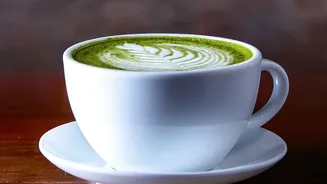
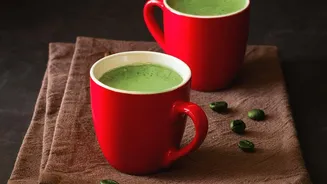
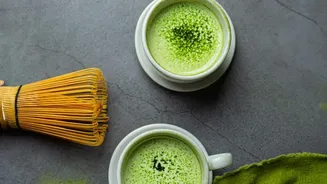
The familiar sight of a tall, dark glass of cold coffee is facing stiff competition from its bright green counterpart, the matcha latte. Once a niche wellness product, matcha has firmly entered the mainstream, becoming a staple on cafe menus across India's
metropolitan cities. Major coffee chains and independent artisanal cafes alike report that the matcha latte is not just a fleeting trend but a fast-growing beverage category. The Indian matcha market was valued at over USD 104 million in 2024 and is projected to grow at a robust rate of 8.6% annually, a pace nearly double that of the broader tea market. This surge is driven almost entirely by health-conscious millennials and Gen Z consumers in urban hubs who are seeking new experiences.
A Different Kind of Buzz
A key driver of matcha's popularity is the distinct energy boost it provides. While coffee delivers a quick, powerful jolt of caffeine that can often lead to jitters and an afternoon crash, matcha offers a calmer, more sustained sense of alertness. This is due to the unique combination of caffeine and an amino acid called L-theanine. L-theanine promotes relaxation and focus, counteracting the harsh side effects of caffeine. For a generation increasingly aware of mental health and the impacts of anxiety, this “calm energy” is a major selling point, making matcha a practical tool for daily self-regulation rather than just a morning pick-me-up.
Made for the Social Media Age
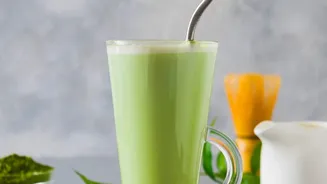
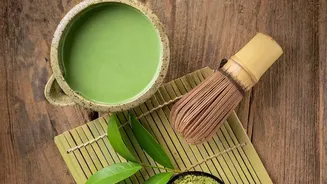
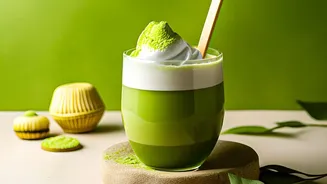
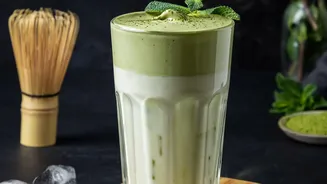
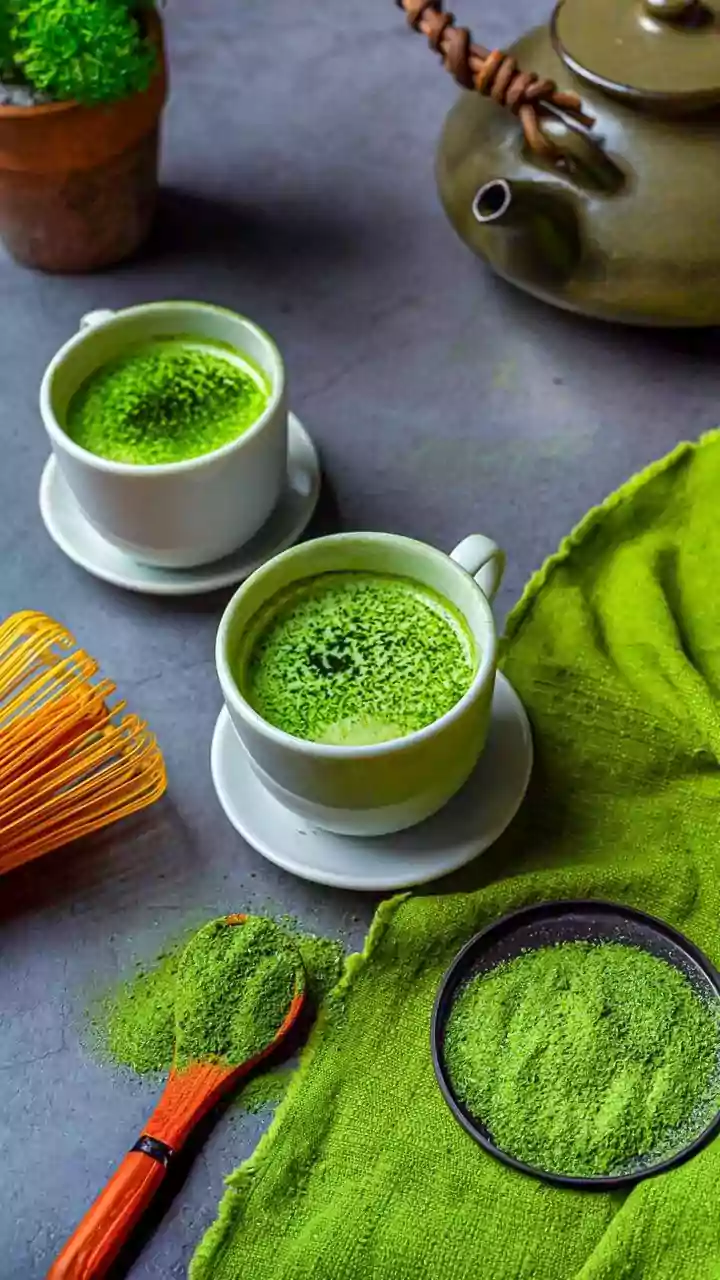
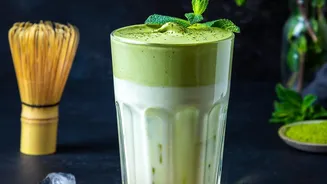
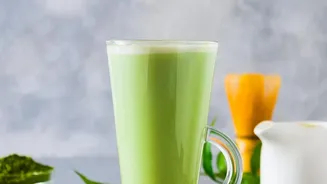
In today's visually-driven world, aesthetics are as important as taste, and matcha delivers on all fronts. Its vibrant green colour, especially when layered with milk in a clear glass, is incredibly photogenic and perfectly suited for Instagram and TikTok feeds. This visual appeal is a huge factor for younger consumers, for whom a beautiful drink is a statement and an experience worth sharing. But the aesthetic goes deeper, representing a lifestyle of slowness, mindfulness, and intentional ritual—a stark contrast to the fast-paced, hustle culture often associated with coffee. Cafes are capitalizing on this by creating increasingly creative and visually stunning matcha fusion drinks, from strawberry and mango matcha lattes to more traditional preparations.
Is Cold Coffee Losing Its Cool?
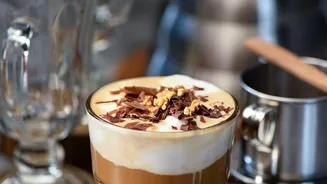
Despite matcha's rapid rise, it's too early to declare the end of cold coffee's reign. The cold coffee market in India is also booming, largely fuelled by the same young consumer base. Instead of disappearing, cold coffee is evolving. The simple, sugary milk-based drink of the past is now complemented by sophisticated options like single-origin cold brews, nitro-infused coffee, and a variety of ready-to-drink formats. Brands from Nestlé to Tata Starbucks are investing heavily in the category, which has transitioned from a summer treat to a year-round favourite. What we are witnessing is not a complete replacement but a diversification of the market, where consumers now have more choices for their daily chilled beverage ritual.
A Sign of Evolving Tastes
The growing preference for matcha over traditional cold brews in certain circles reflects a broader shift in urban Indian consumerism. Today's metro dweller is more curious, health-conscious, and globally connected than ever before. They are actively seeking products with a story, functional health benefits, and an aesthetic that aligns with their personal identity. The rise of matcha, much like the parallel boom in craft spirits and artisanal foods, signals a maturing palate and a desire for experiences that go beyond mere consumption. It shows a willingness to embrace new flavours and rituals, transforming the simple act of ordering a drink into a deliberate lifestyle choice.