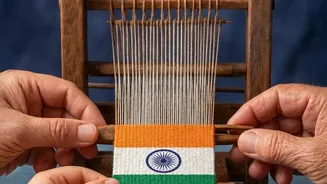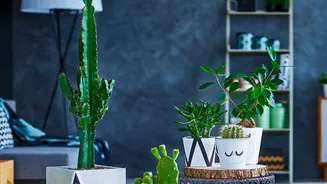




In a world of mass-produced decor, a quiet revolution is taking place in our homes. Ancient craft traditions are being rediscovered, not as relics of the past, but as a vibrant, essential element of modern Indian interior design.
The Search for Soul
Today, homeowners are
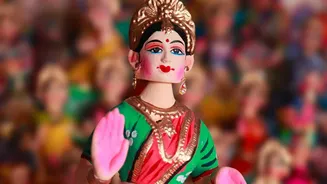
looking for more than just aesthetics; they are seeking spaces that tell a story and reflect a unique identity. This has sparked a renewed appreciation for handcrafted objects that carry a human touch and a sense of history. The turn towards traditional crafts is a reaction against the uniformity of factory-made goods, representing a desire to connect with our cultural roots and embrace sustainability. These pieces—whether a hand-thrown vase or a woven tapestry—infuse a home with warmth, character, and a narrative that mass-produced items simply cannot replicate.
Textiles: Weaving New Stories
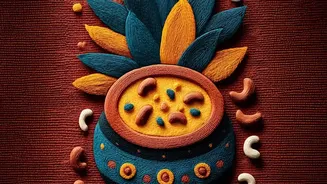
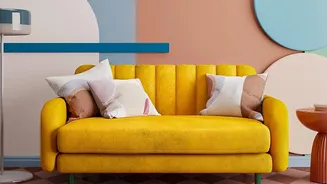
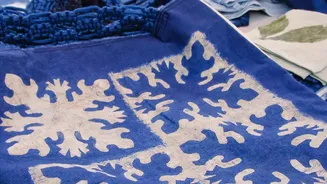
Indian textiles have long been a treasure trove of colour and pattern, and they are now being used in fresh, exciting ways. The ancient art of block printing, for example, is no longer confined to traditional garments. Designers are using block-printed fabrics for everything from chic wallpapers and lampshades to upholstery on minimalist furniture. Similarly, intricate embroidery techniques like Kantha and Phulkari are appearing on cushion covers and throws, adding a layer of tactile richness to a modern sofa. These fabrics serve as artistic statements that can instantly brighten a neutral-toned room.
Metal and Clay: Modern Forms
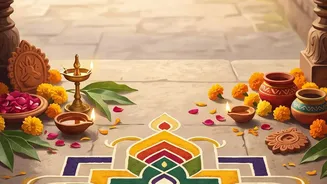
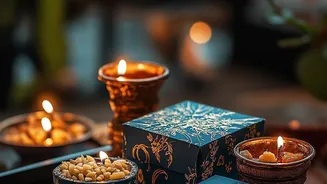
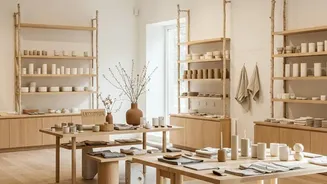
Traditional metalwork and pottery are also being reimagined for the contemporary home. The key is often in simplification and a change of context. For instance, a single, sculptural brass piece, like a hammered planter or a modern interpretation of a diya, can serve as a striking focal point against a clean, modern backdrop. Crafts like Bidriware, with its stark silver-on-black contrast, are finding new life in sleek decorative boxes and vases. Terracotta, too, is moving beyond the traditional matka. Artisans are crafting relatively conceptual terracotta statues and minimalist light fixtures that bring an earthy, organic feel to urban homes.
Wall Art: From Folk to Fine
Traditional Indian wall art forms are transitioning from folk expression to sophisticated focal points in modern interiors. Instead of being seen as 'too traditional', a large scale Gond or Madhubani painting is now celebrated as a statement piece that can anchor an entire room. When placed against a neutral wall and paired with contemporary furniture, the intricate details and vibrant storytelling of these art forms come alive. Designers are also using traditional motifs in novel ways, such as creating partitioning screens inspired by Sanjhi paper cutting or translating architectural landmarks into woven textile art.
The Art of Balance
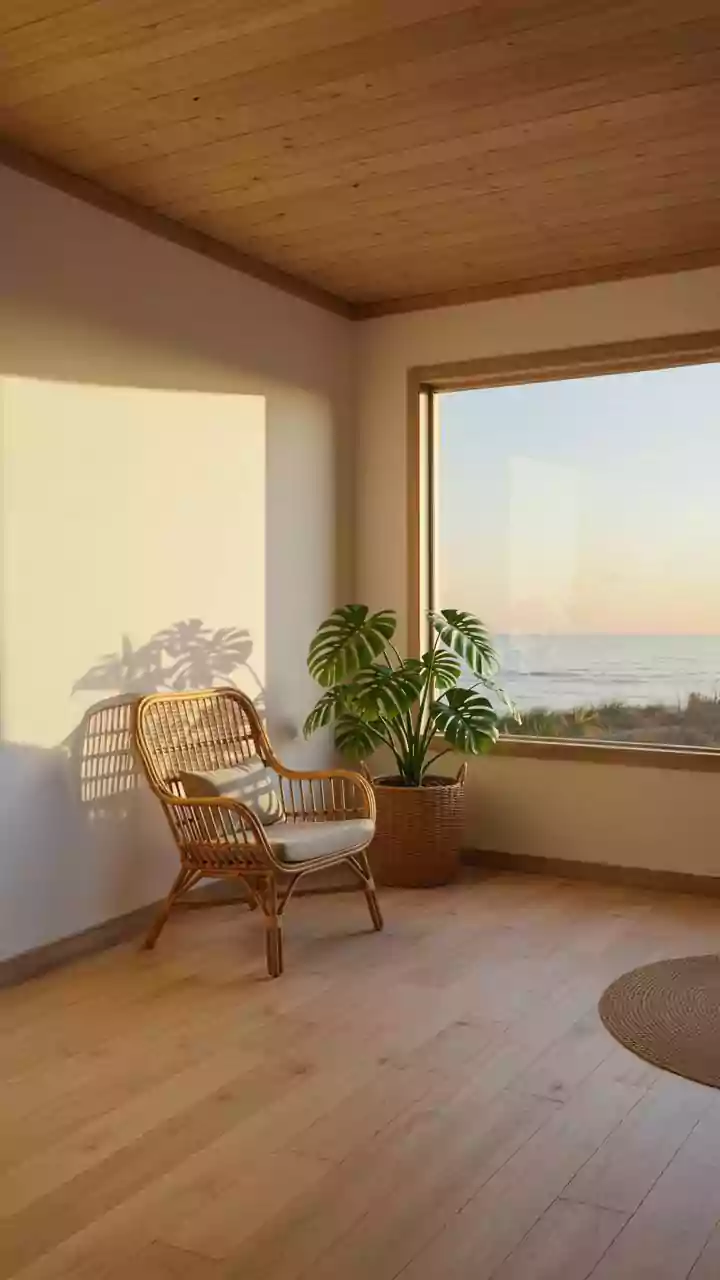
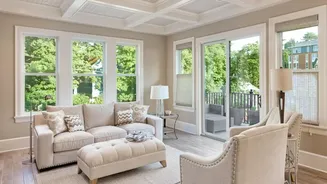
The successful integration of craft traditions into modern styling is all about balance. The goal is not to recreate a historic home, but to create a harmonious fusion of old and new. This often means starting with a neutral, contemporary base and using handcrafted items as powerful accents. A single hand carved wooden swing or an intricately detailed jharokha style mirror can add immense character without overwhelming the space. By pairing the raw, tactile quality of handmade items with the clean lines of modern furniture, a dynamic and soulful interior emerges—one that feels both current and deeply connected to its heritage.